The Muscat issue
October Is When Muscat Moves Back Outdoors
The heat breaks in the last third of the month, the beach restaurant and the opera season reopen, and the city is walkable again. Here is how to time it.

By Bram VisserForts, wadis and the long way round
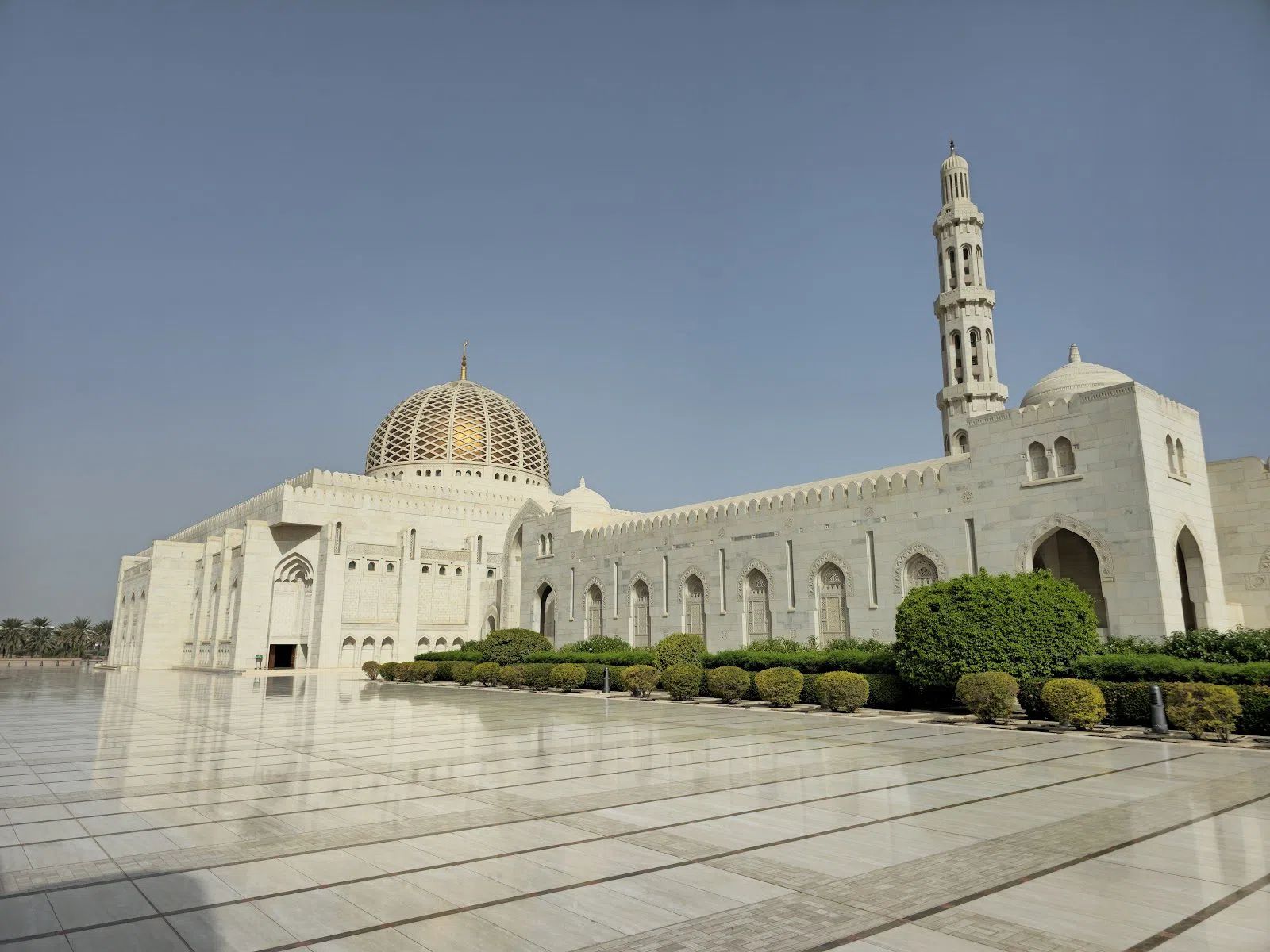
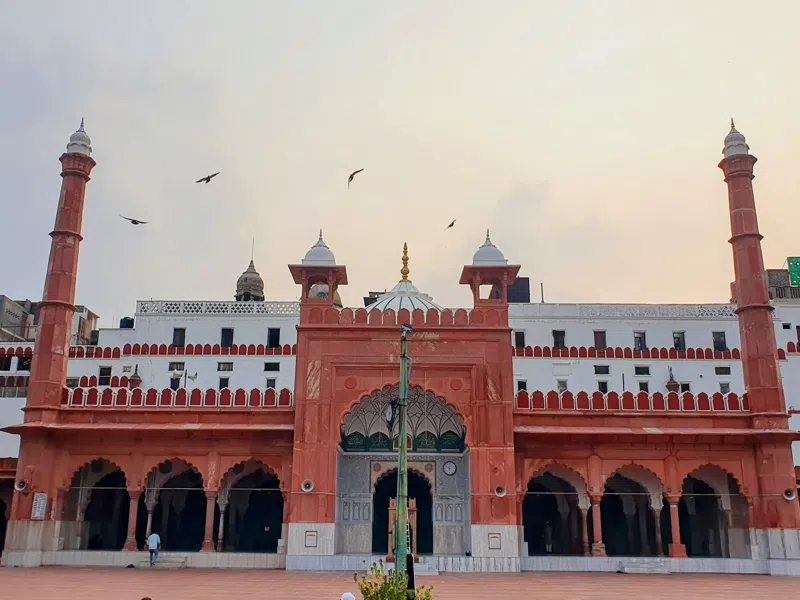
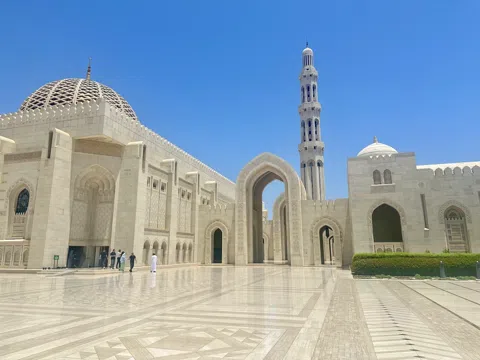
The Sultan Qaboos Grand Mosque stops admitting visitors at eleven in the morning, and for most of the year that is a mercy rather than a restriction. Cross the courtyard in August and the marble is throwing heat back at you before nine. Cross it in the last week of October and it is around 25°C, the light is still low, and you can stand still long enough to look up, which is the whole point of the building and most of the argument for the month.
October is really two months
The first ten days still belong to summer. Afternoons run well above 30°C with the sea humidity still in them, and sightseeing gets rationed to whatever has a roof and a working compressor. Somewhere in the last third of the month the handover happens: coastal highs settle at about 31°C, the mugginess falls away, and mornings land at a genuinely pleasant 24–26°C. A dry 31 and a humid 35 are not the same weather, and the city behaves differently under them.
The second change is supply, and it matters more than the thermometer. Things here close for the summer and come back on a schedule. The Beach Restaurant at The Chedi shuts through the hot months and reopens from late September. The Royal Opera House starts its season in October. Turtle nesting and hatching peak from September to November. Dive visibility is at its best across the same window. October is the first month of the year when all of those are true at once, which is a stronger claim than saying the weather is pleasant. If the rest of the year interests you, the Muscat guide covers it; this is about the month the city stops hiding indoors.
Late October is no secret, and the things with hard caps sell out. Book those before you book flights around them.
Plan your Muscat trip
Live prices from our booking partners.
Free cancellation on many rooms. We may earn a commission when you book.
Mornings that end at eleven
Sultan Qaboos Grand Mosque (Ghubrah, on the main highway west of the centre) opens to non-Muslim visitors 8–11am daily except Friday. Entry is free and there is no booking, which also means coach parties are routine: guides bring groups every morning. Arrive at eight if you want the main prayer hall quiet; turn up at half past ten and staff will be politely moving you towards the exit. Shoulders and knees covered for everyone, hair covered for women; abayas and scarves rent at the gate for about OMR 2, so you do not need to pack them. Ninety minutes is enough, and in late October that ninety minutes is the most comfortable outdoor hour of your day.
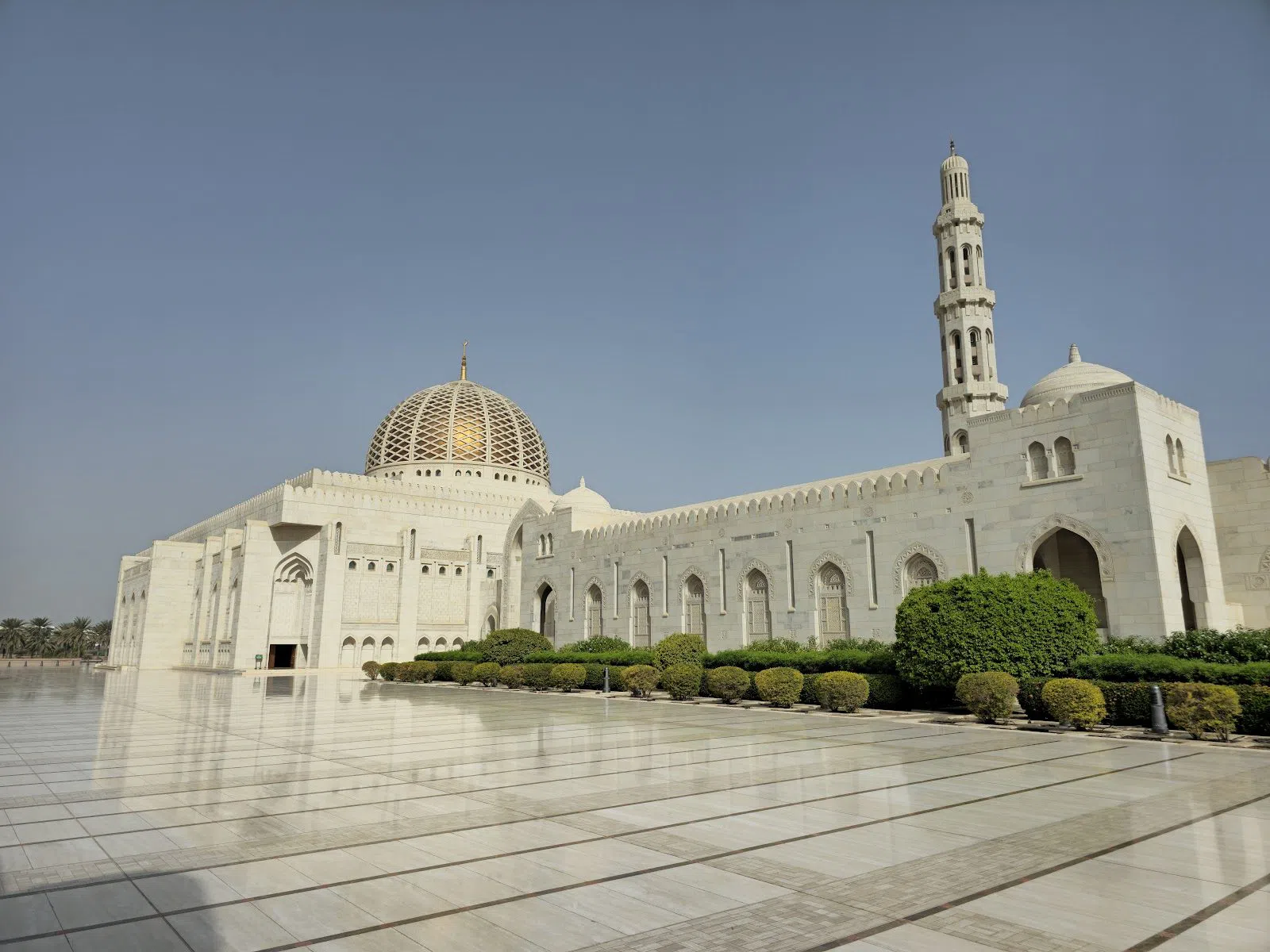
The Friday closure is the trap. If you have four nights in the city, put the mosque on your first non-Friday morning rather than saving it, because there is no evening alternative.
The middle of the day still belongs indoors
Even in a good October week the afternoon runs above 30°C. Have somewhere with walls in the plan for the middle of every day.
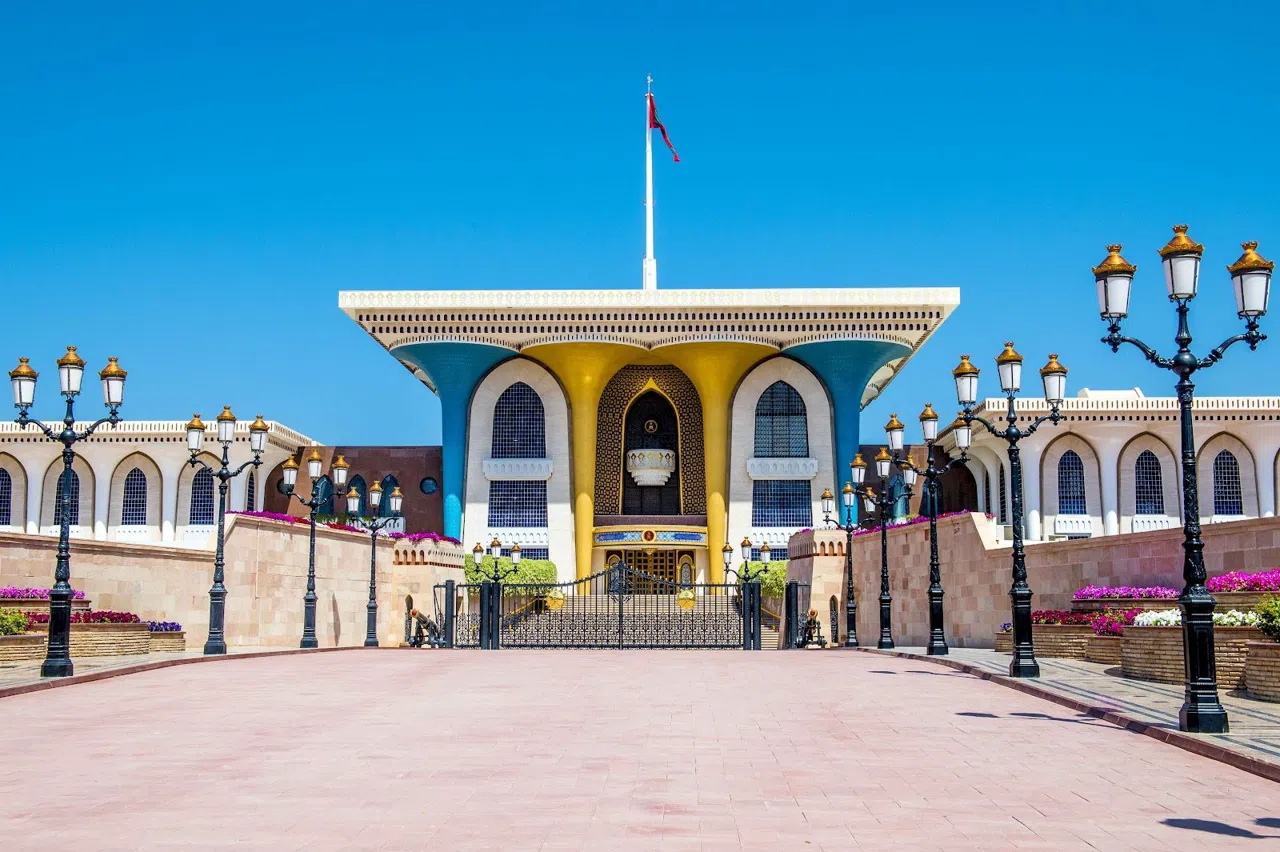
National Museum of Oman (Old Muscat, facing Al Alam Palace across the road) is the best-built museum in the country and the obvious anchor. Saturday to Thursday 10am–5pm, Friday 2–6pm; OMR 5 for adults, OMR 2 for children aged 6–12, under-6 free. Tickets online or at the door, multilingual audio guides, and guided tours for groups if you book. Give it two hours, then walk the old city walls when the sun is off them.
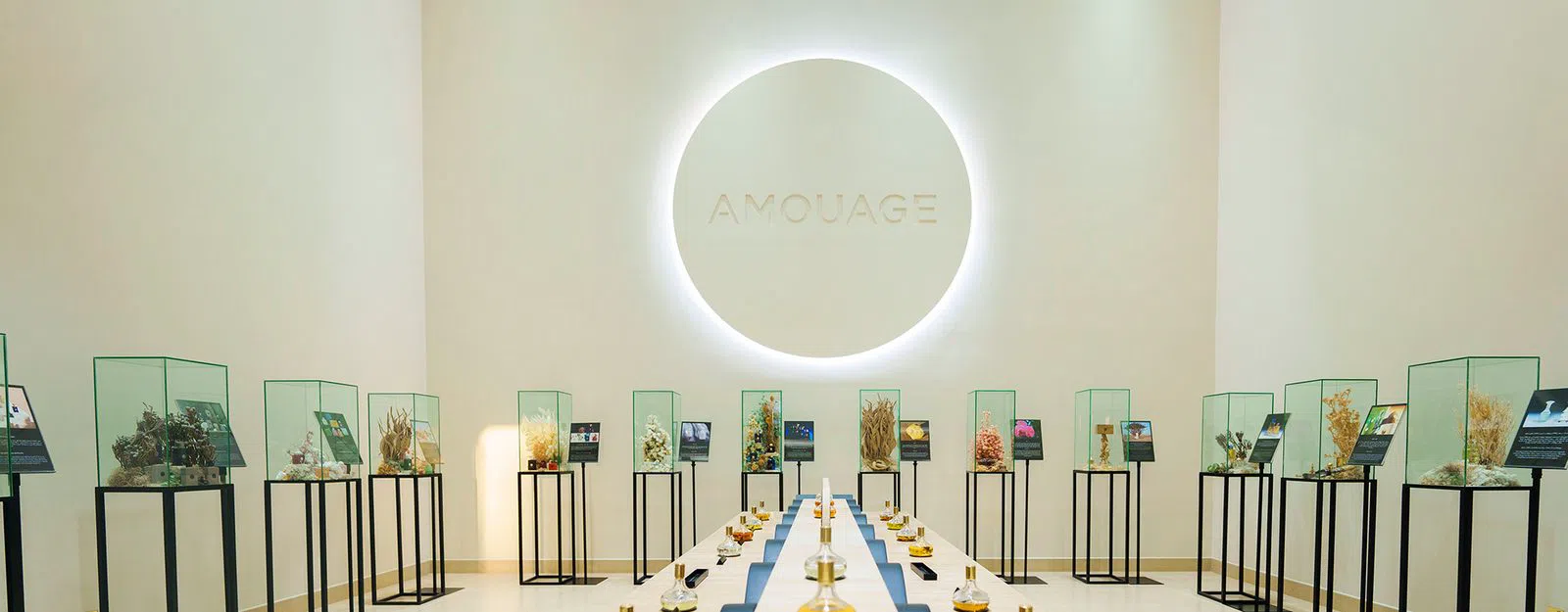
Amouage Manufacture and Visitor's Centre (Seeb, about twenty minutes from the airport) is the other indoor card, and the better one for an arrival afternoon when you are jet-lagged and it is 33°C outside. English-language guided tours run one to two hours, Sunday to Thursday only, and you must book ahead. The standard factory tour is free; extended guided experiences start around OMR 40. It handles groups comfortably, the boutique is part of the visit, and the perfume is the one souvenir from Oman worth the money.
The beach and the boats come back
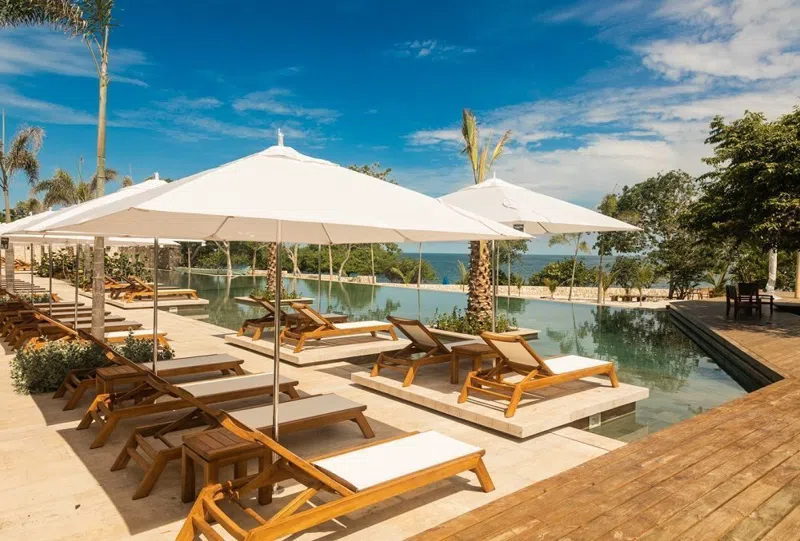
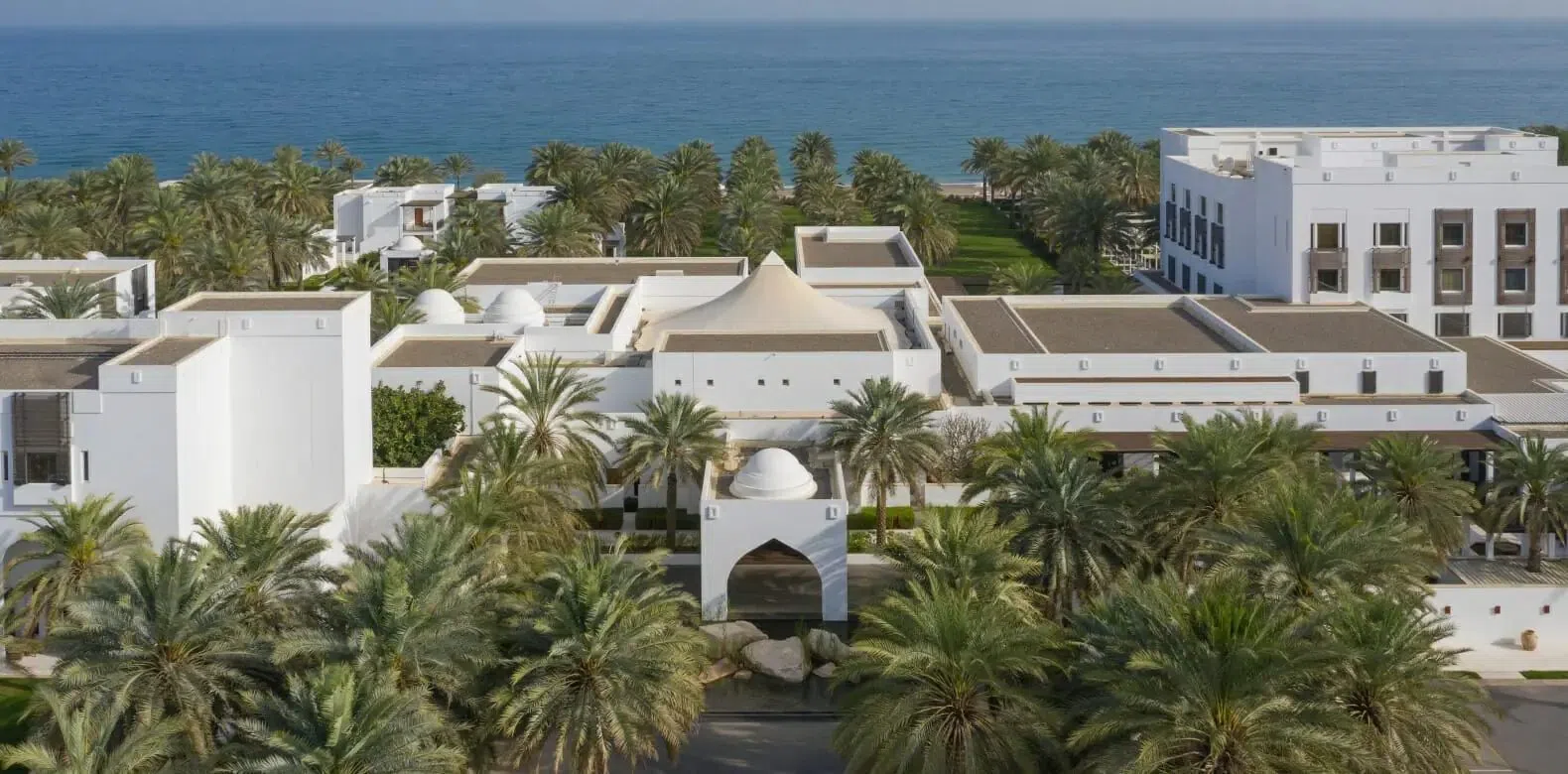
The Chedi Muscat (Ghubrah beachfront) gives you the clearest seasonal marker in the city. The hotel runs year-round, but The Beach Restaurant is shut through the summer and reopens for the cool months from late September, because outdoor dining on that sand simply is not survivable in August. Reckon on OMR 30–60 a head; rooms from around OMR 150. Reservations are taken, groups go through the RFP form and dietary requests by pre-order. Smart casual, no shorts. It is couples-and-quiet-dinner territory rather than a place to bring twelve people.
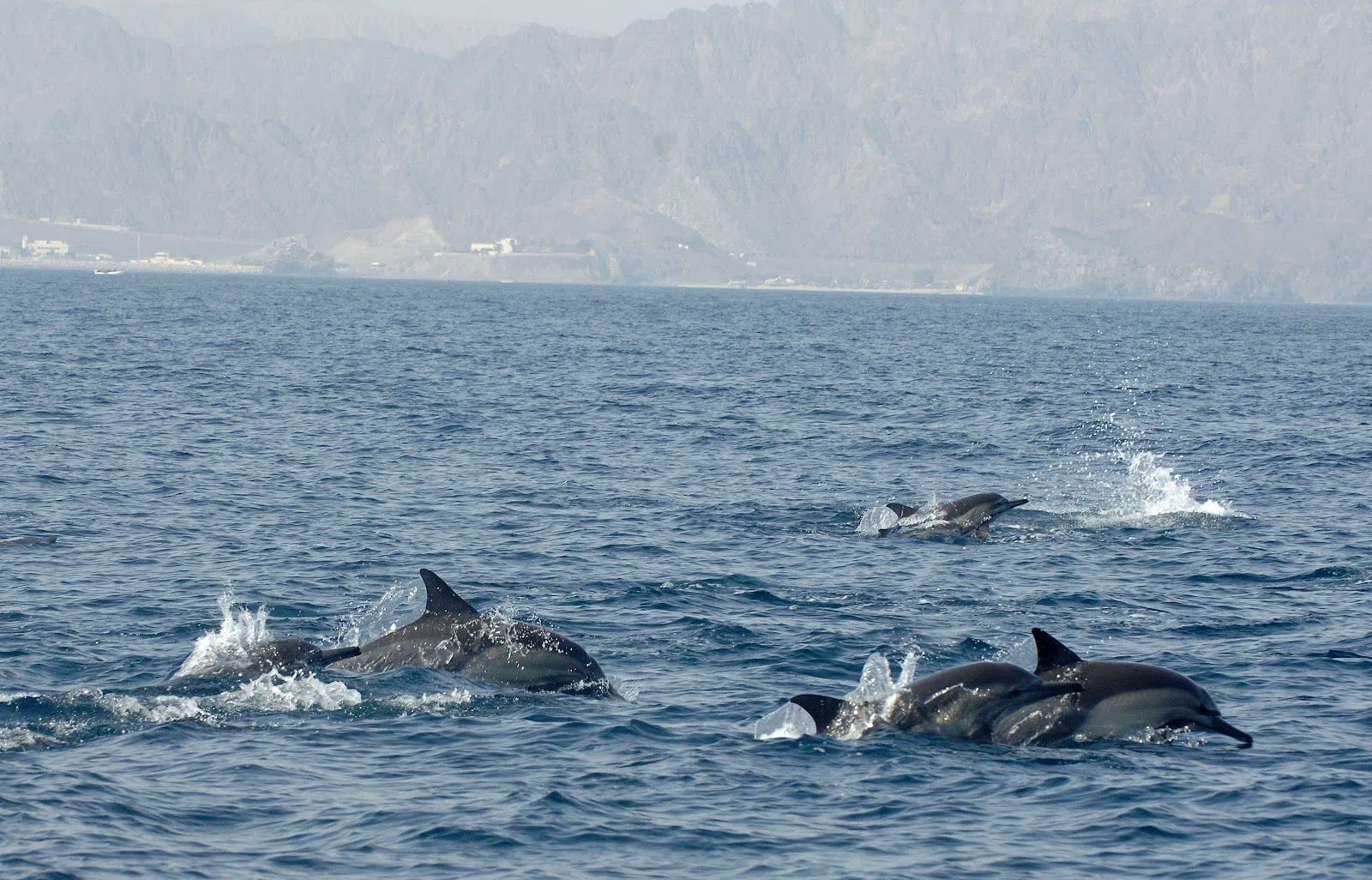
Sidab Sea Tours (Sidab, at Marina Bandar Al Rowdha, ten minutes past Mutrah) has been running since 1998 and is the most reliable way to see the coastline the road never reaches: dolphins, snorkelling and the Bandar Khayran fjords. Departures roughly 7am to 11pm, shared trips about OMR 15–30 per person, whole-boat charters for parties and larger groups at considerably more. Shared boats suit couples and families; if you are eight or more, charter and set your own timings. October evenings are the first of the season when a sunset sail is actually cool on deck.
MolaMola Diving Center (Al Mouj) runs daily 8am–5pm, books by WhatsApp or email, and keeps groups small with a dedicated instructor; non-divers can come along and snorkel the same sites. A two-dive Daymaniyat day is around OMR 47 without kit, OMR 59 with rental. The reserve's beaches are closed to landing from 1 May to 31 October for nesting birds and turtles, so an October trip is diving, snorkelling and swimming from the boat; you step ashore from November. Visibility is at its best September to November, so you are trading the beach for the better water.

Mutrah after four o'clock
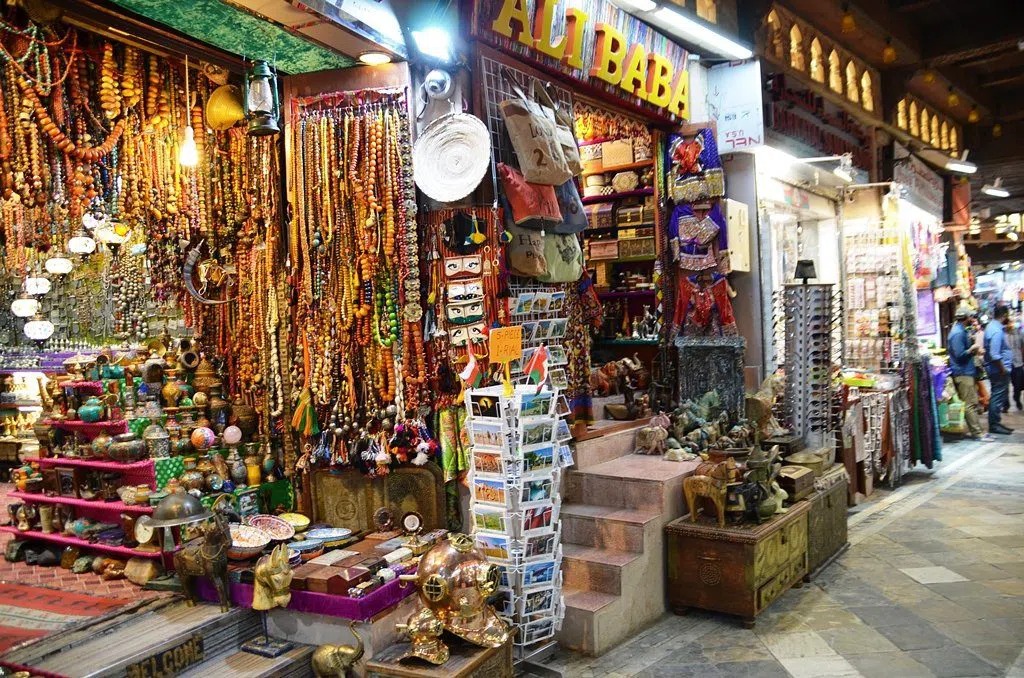
Mutrah Souq (Mutrah corniche) trades on a split day like most of the old commercial city: shops open roughly 9am–1pm, close, then reopen 4–10pm, with a shorter Friday morning. Entry is free, there is no door policy, and walking groups pass through constantly. The evening half is the point. From late October the corniche walk beforehand is comfortable rather than an ordeal, the fort and the harbour are lit, and the lanes hold their heat far less. Haggling is expected on anything you buy (frankincense, silver, pashminas), so treat the first number as an opening.
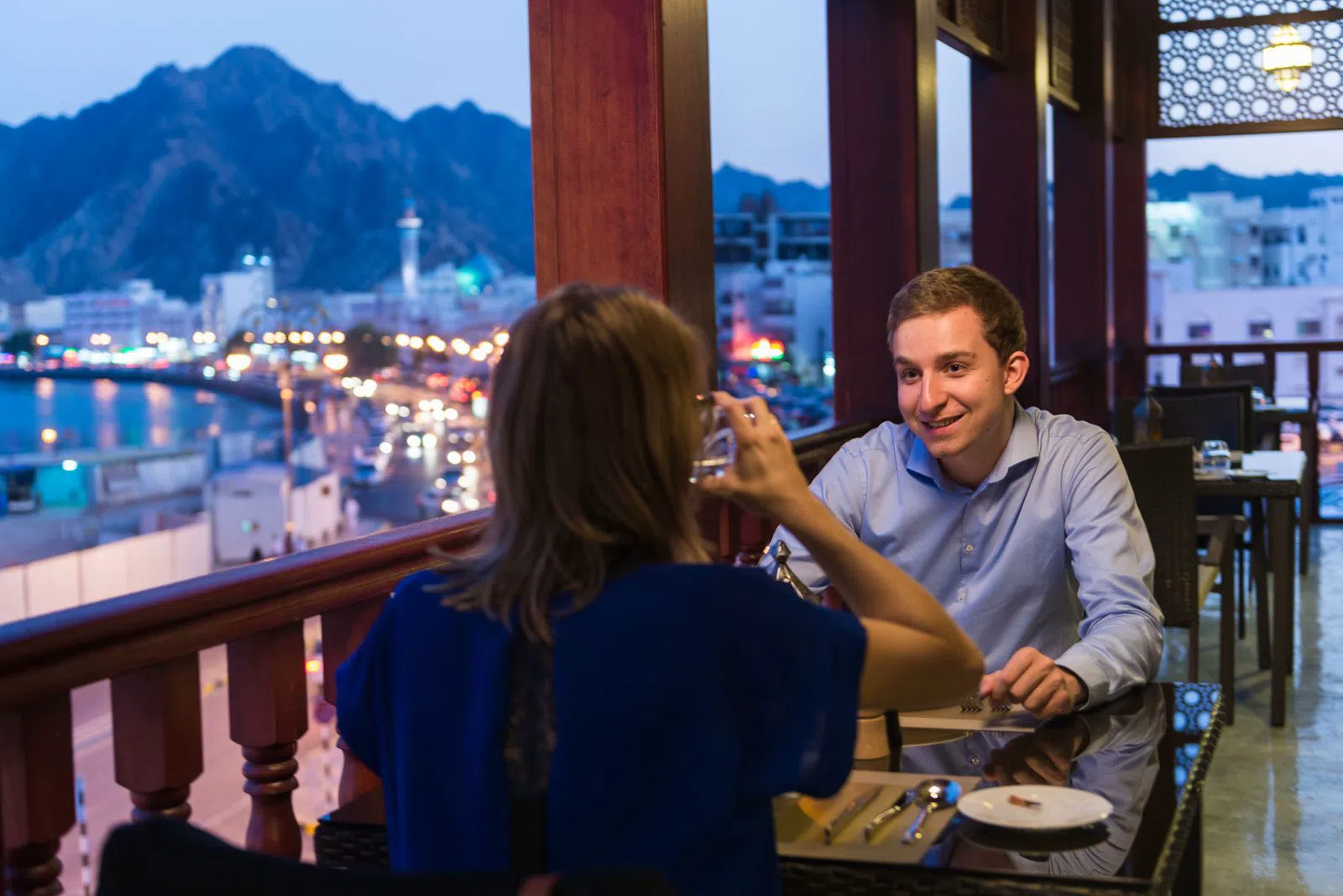
Bait Al Luban (Mutrah, a five-minute walk from the souq) does the most convincing Omani cooking in the old city: shuwa, qabuli rice, prawn curry, frankincense ice cream, with frankincense water on arrival and Omani coffee and dates to finish. Open daily from around noon to 11pm, roughly OMR 10–20 a head. It is popular enough that booking is advised, and the upstairs room takes larger tables. It slots straight onto a souq evening without a car move.
The long day east
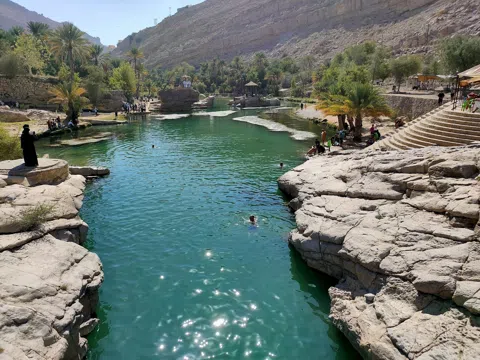
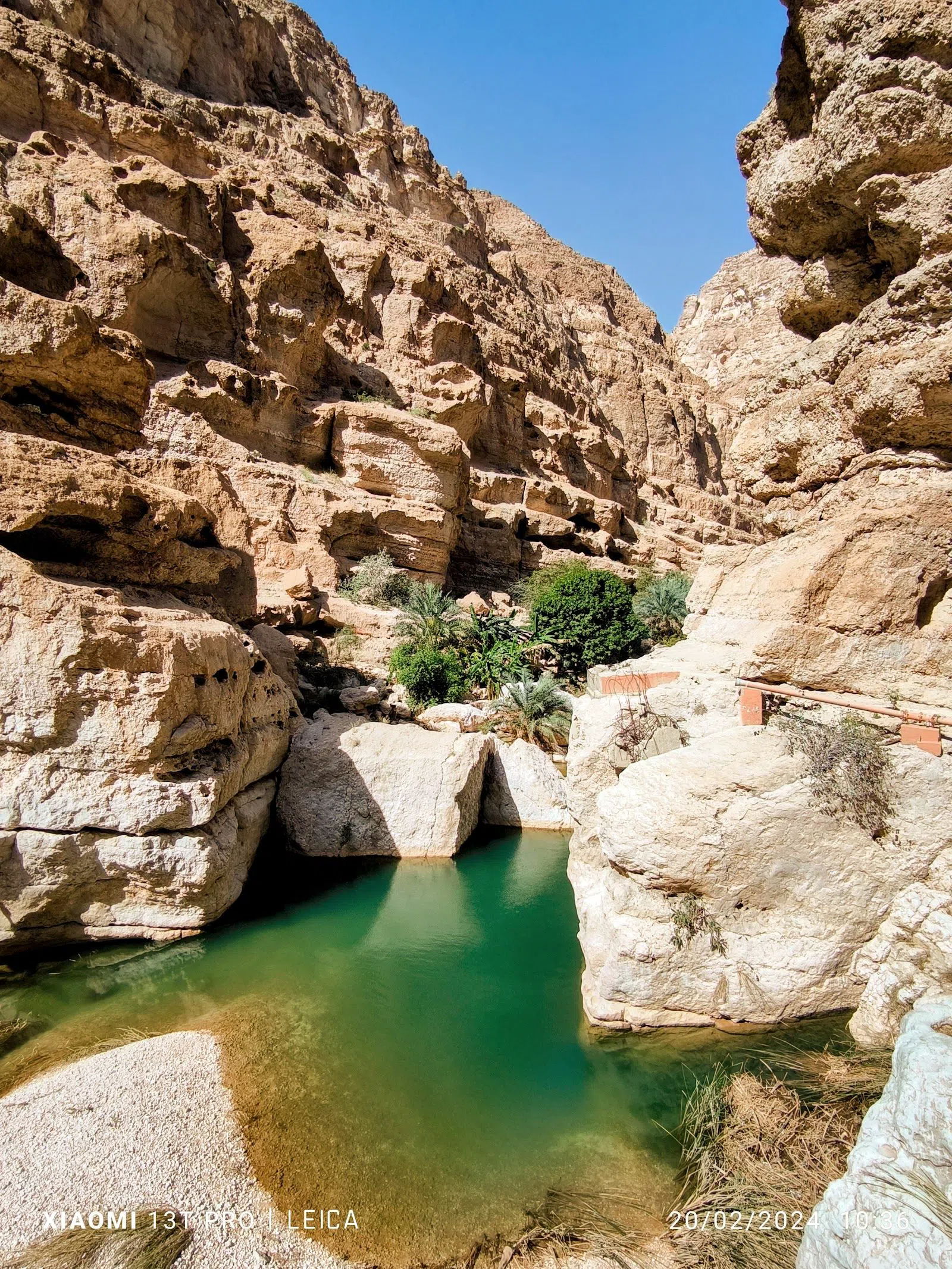
Wadi Shab (east coast, about two hours from the city) is the single strongest argument for the late-October window. There is no ticket and no booking; the ferrymen charge around OMR 1 return per person and the boats run roughly 7am–5.30pm, with a small parking charge. Be honest with yourself about the walk: it is a genuine 45–60 minute rocky scramble each way plus swimming, fine for a fit group and wrong for anyone unsteady. The same walk in August is dangerous. By the end of October highs are about 31°C with the humidity gone. Leave Muscat by seven, and note the last boat back is 5.30pm.
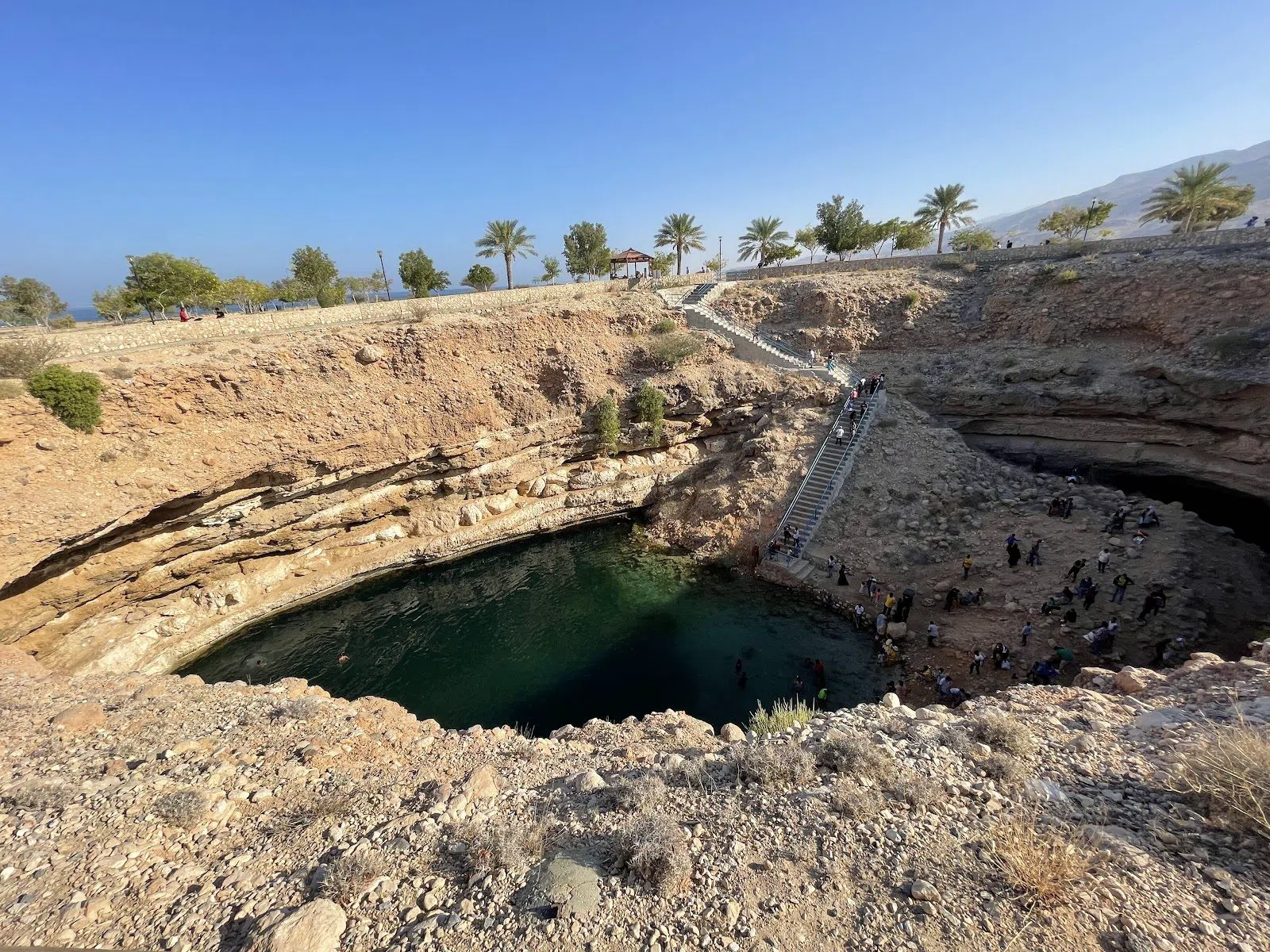
Hawiyat Najm Park (Bimmah Sinkhole) sits on the same coastal run, short of the wadi, and pairs with it naturally. Open daily from around 8am, 500 baisa a head, with a free car park big enough for coaches. There are no lifeguards, and shoulders and knees must be covered inside the park. Treat it as a twenty-minute swim rather than a half-day; it costs almost nothing and it is on your way.
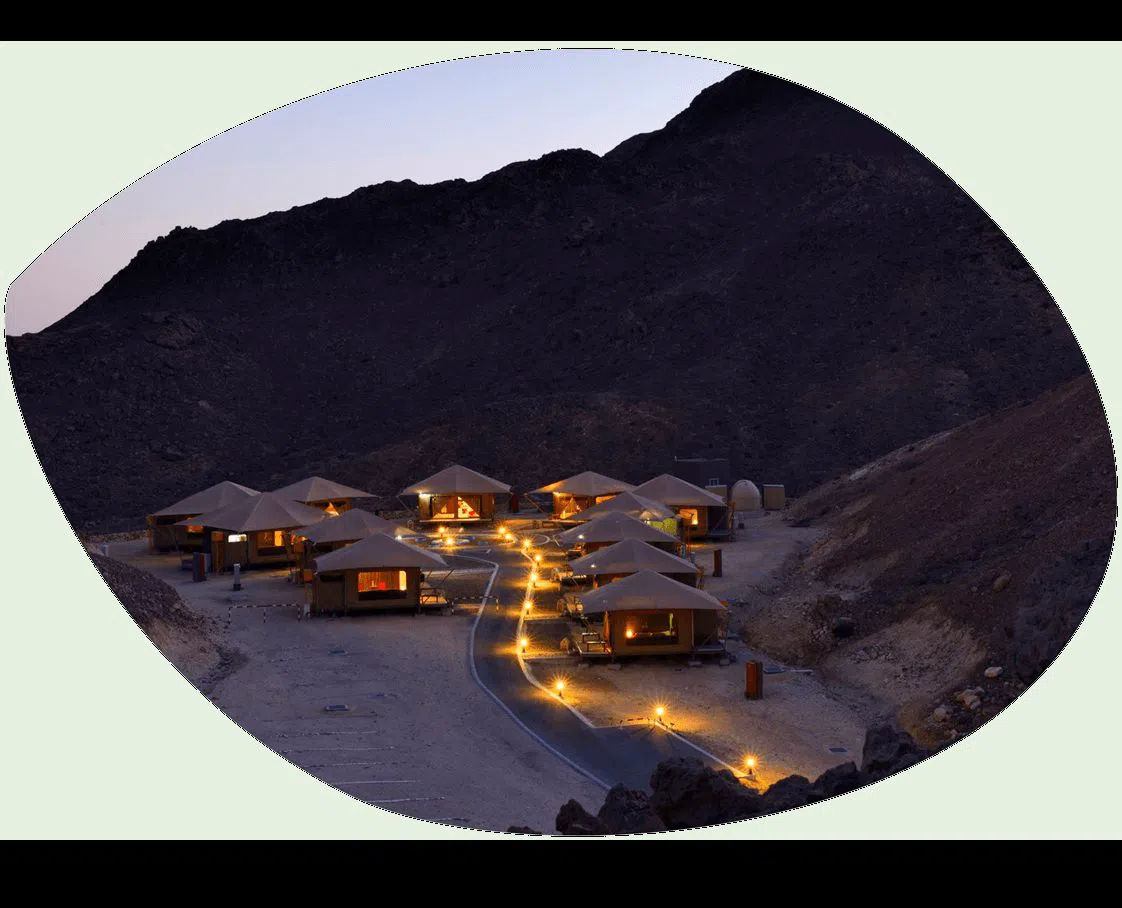
Ras Al Jinz Turtle Reserve (the far eastern cape, beyond the wadis) is the one thing on this list you must book before you fly. Visits are guided only, two sessions a night at 9pm and 11pm, capped at 25 visitors per guide, so large groups get split across guides or nights. The tour is roughly OMR 8–10 per person; lodge rooms start around OMR 60 and staying includes the evening tour. September to November is peak nesting and hatching, and October is when the walk down to the beach stops being a sweat. Sleep at the lodge rather than driving back after an 11pm session: the road home is long, dark and full of camels.
Two hours inland
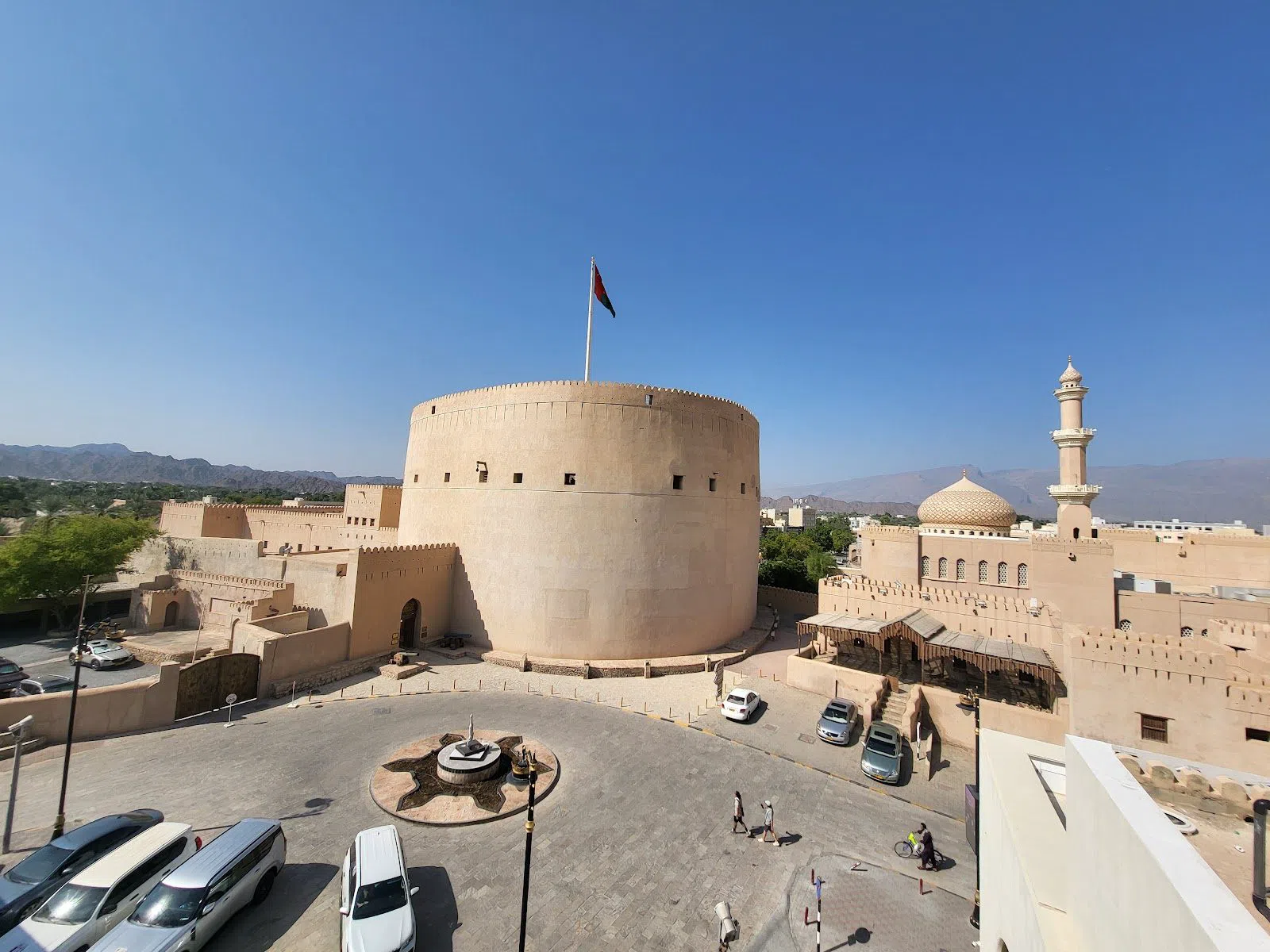
Nizwa Fort (the interior, about two hours from Muscat on good road) opens Saturday to Thursday 8am–6pm, and on Friday 8–11.30am and again 1.30–6pm; OMR 5 for adults, the adjoining souk free. Time it for a Friday. The goat market next door runs 6.30–10.30am with the real business around 7.30, and the fort opens late enough that you can do both in one morning. The climb up the tower is only enjoyable outside the summer, which is the point of coming now. Coach parties are absorbed easily here, and there are no group restrictions.
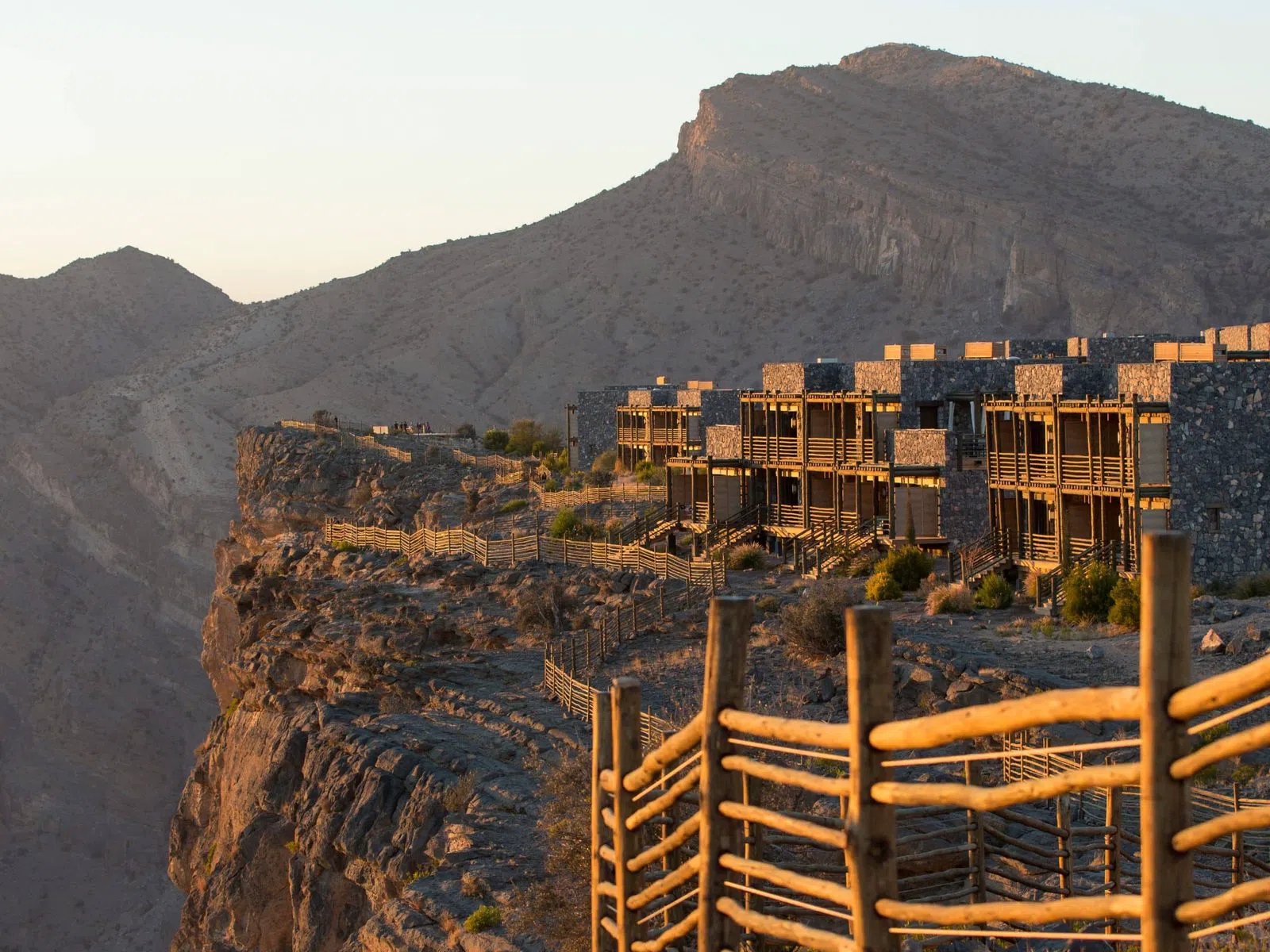
Alila Jabal Akhdar (Jabal Akhdar, up on the plateau) sits two hours inland and around 15°C cooler than the coast, with 86 suites and villas, several dining venues and event spaces; group and buy-out enquiries are taken. The drive up requires a 4x4 by law and the police checkpoint at the foot of the mountain road turns saloon cars back, so book the right vehicle at the airport, not on the day. From roughly OMR 200 a night. In July it is the only bearable option in the country; in October it becomes an add-on for people who want mountain air rather than an evacuation.
Where the evening goes
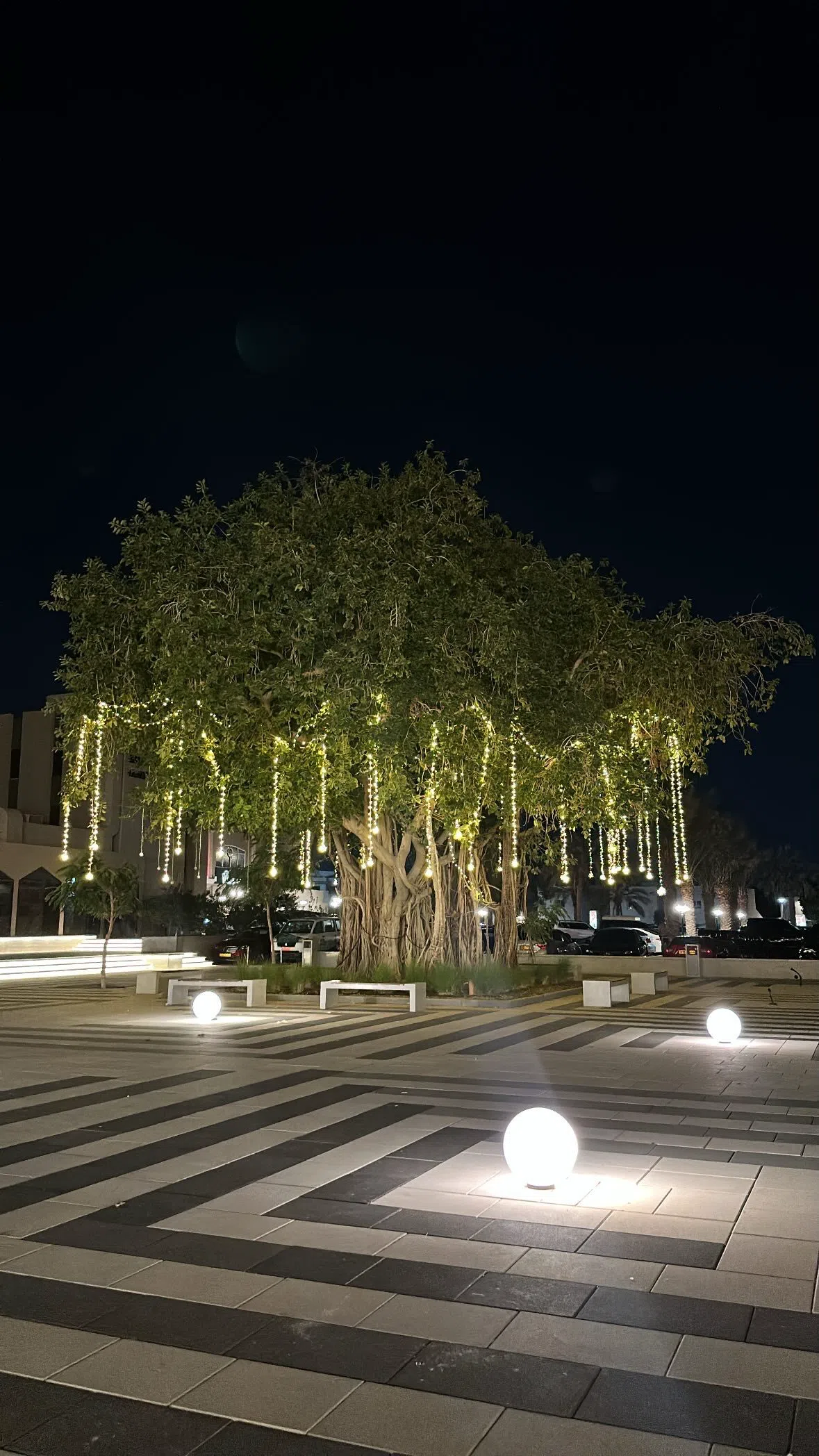
Kargeen (Madinat Qaboos) has been trading since 1997 and is still the city's best-loved garden table. Large, informal and built for groups, with indoor rooms plus extensive outdoor seating under the trees. Eating outdoors under those trees is exactly what October gives back. Reserve for bigger tables at weekends, expect OMR 10–20 a head, and expect service to slow down when the garden is full. Go on a night when you are not in a hurry.
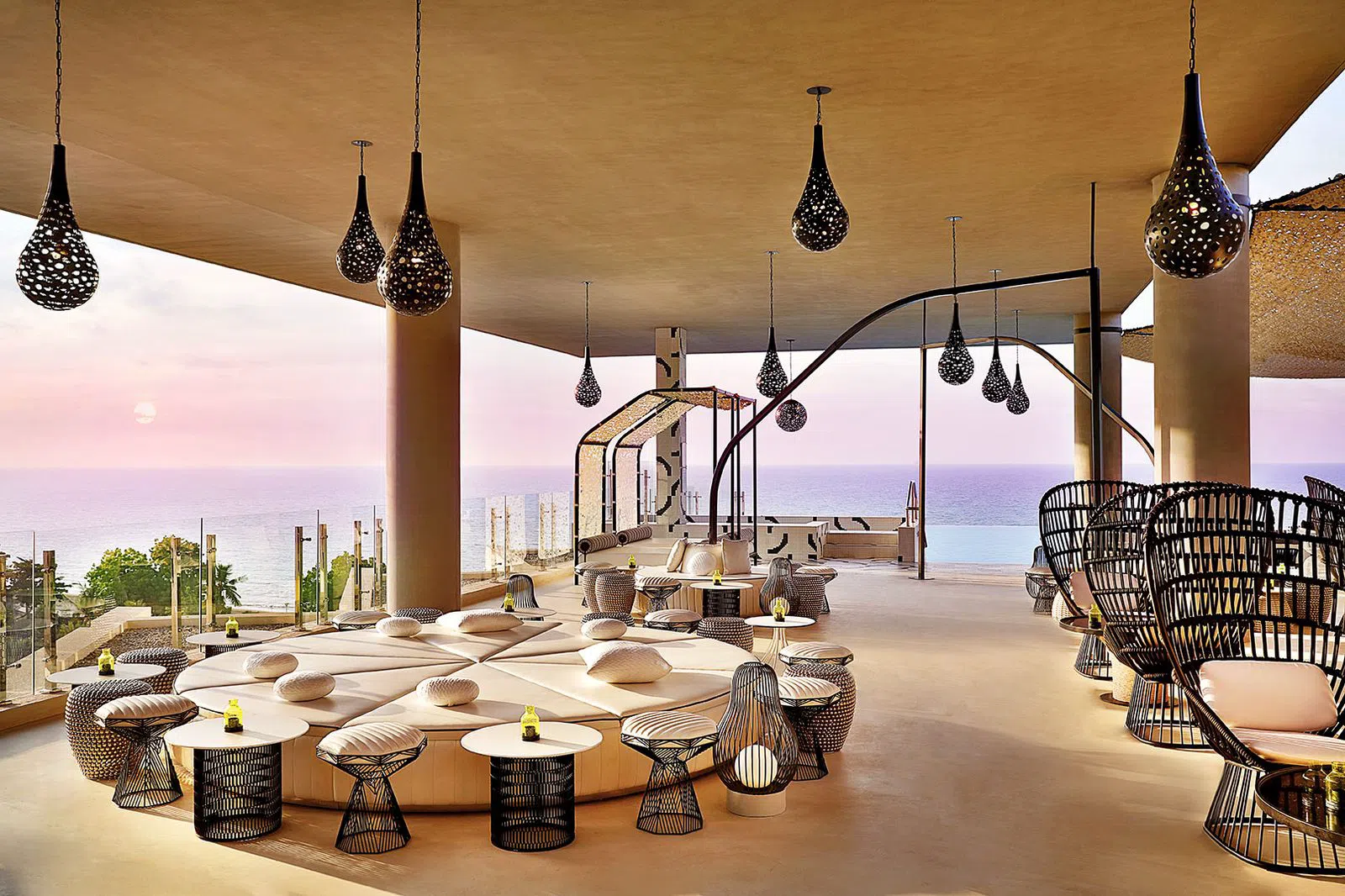
Siddharta Lounge by Buddha-Bar (Al Mouj) opens from 4pm, until 12.30am Saturday to Wednesday and 3am on Thursday and Friday, with a social brunch on Friday. Group reservations are taken. Muscat has very little open-air nightlife and this licensed rooftop is the exception, a terrace that only works once the evenings drop, which in practice means from about now. Around OMR 25–50 a head.
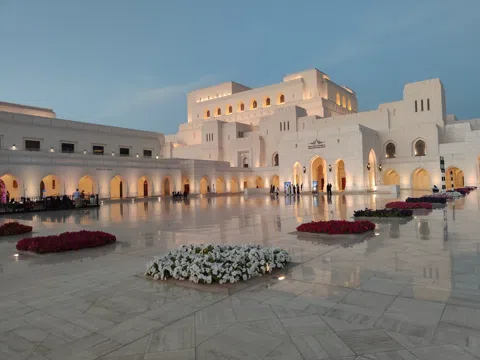
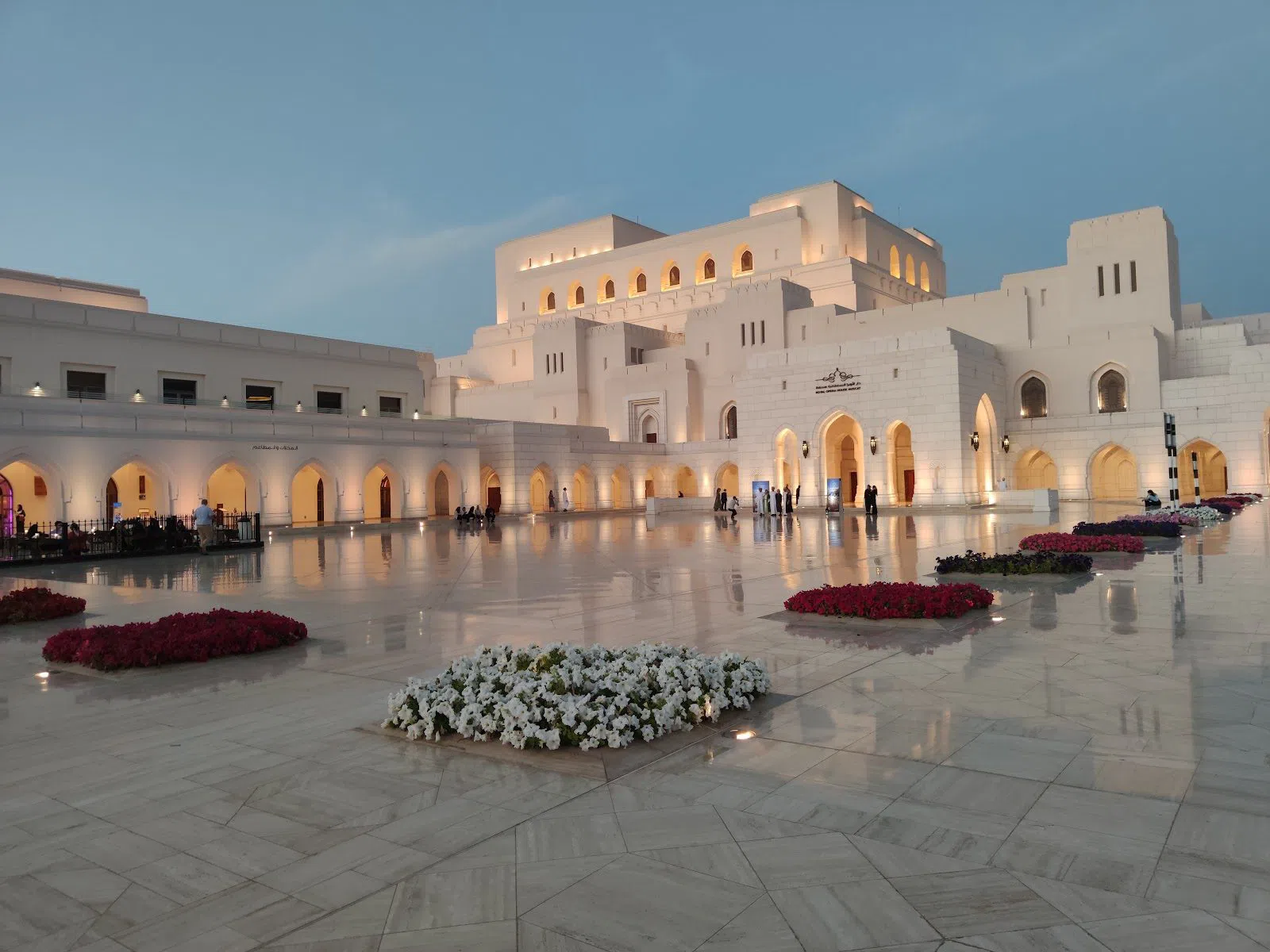
Royal Opera House Muscat (Shati Al Qurum) opens its 2026–27 season in October with Verdi's Rigoletto. The 15th anniversary programme runs 28 productions across 43 nights. Tickets run roughly OMR 10–60 depending on the production and where you sit, and daytime guided tours of the building are sold separately if you are not there for a performance; group and school bookings go through the box office. The dress code is smart and it is enforced: no shorts, no sandals in the auditorium.
Getting around, paying and what a day costs
Hire a car. The city sprawls along one coastal corridor and taxis are unmetered (agree the fare first), while everything east and inland needs your own wheels. A saloon covers the coast road, Mutrah, the mosque and the museum; you only need a 4x4 for the mountain, where it is a legal requirement at the checkpoint.
Carry cash in rials. A thousand baisa make a rial, and the small notes matter more than the big ones: OMR 1 for the ferrymen at the wadi, 500 baisa at the sinkhole, about OMR 2 for abaya hire at the mosque, and whatever you haggle to in the souq. Hotels, restaurants and the museum take cards without drama.
Plan around Friday. The mosque is closed to visitors, the museum opens only 2–6pm, the perfume tours do not run Friday or Saturday, and the souq keeps a short morning before its evening session. That is the day to drive inland for the goat market, or to book the rooftop brunch.
On budget, a plain day runs about OMR 30–40 a head: museum ticket, an OMR 10 lunch, dinner in Mutrah, a sinkhole stop. Add a boat trip, a dive day or an opera ticket and you are at OMR 60–100. For where to sleep, Mutrah puts the souq and the old city on foot, Shati Al Qurum is the base for the opera house and the beaches, and Al Mouj covers the marina and the rooftop. Compare rates with the Muscat hotel search.
If you have any flexibility in your dates, take the back end of the month over the front. And book the turtle reserve first; everything else here can be arranged after you land.
Before you go
Is October actually a good month to visit Muscat?
The back half of it is. Early October is still the tail of summer, with afternoons well above 30°C and heavy sea humidity. By the last third of the month coastal highs settle around 31°C, the mugginess drops, mornings run 24 to 26°C, and the seasonal venues are open again: the Chedi's Beach Restaurant from late September, the opera season from October, peak turtle nesting September to November.
What do I need to wear at the Sultan Qaboos Grand Mosque, and can I go on a Friday?
Non-Muslim visitors are admitted 8am to 11am daily except Friday, so there is no Friday option. Shoulders and knees must be covered by everyone and women must cover their hair; abayas and scarves rent at the gate for about OMR 2. Entry is free with no booking, but coach groups arrive every morning, so go at eight rather than ten.
How far ahead do I need to book the Ras Al Jinz turtle tour?
Weeks ahead. There are only two guided sessions a night, at 9pm and 11pm, capped at 25 visitors per guide, and October falls inside the September to November nesting and hatching peak, so they genuinely sell out. The tour is roughly OMR 8 to 10 per person; staying at the lodge (from around OMR 60) includes the evening walk, which also saves you a long night drive back.
Can I land on the Daymaniyat Islands in October?
No. The reserve's beaches are closed to landing from 1 May to 31 October for nesting birds and turtles, so an October trip with MolaMola means diving, snorkelling and swimming from the boat; you can step ashore from November. In exchange, visibility is at its best from September to November.
Do I need a car for Wadi Shab and the Bimmah Sinkhole?
Yes. Both are on the east coast road and there is no practical public transport. A normal saloon is fine; you only need a 4x4 for the mountain road up to Jabal Akhdar, where it is enforced at a police checkpoint. Wadi Shab is about two hours out, with a 45 to 60 minute rocky walk each way plus swimming and a boat back that stops at 5.30pm, so leave the city early.