The Muscat issue
Muscat's Viewpoints Where the Mountains Meet the Sea
Seventeen places to stand, sit, climb or sail in Muscat where the Hajar rock and the Gulf of Oman are in the same frame, with the doors, prices and timings that actually apply.

By Bram VisserForts, wadis and the long way round
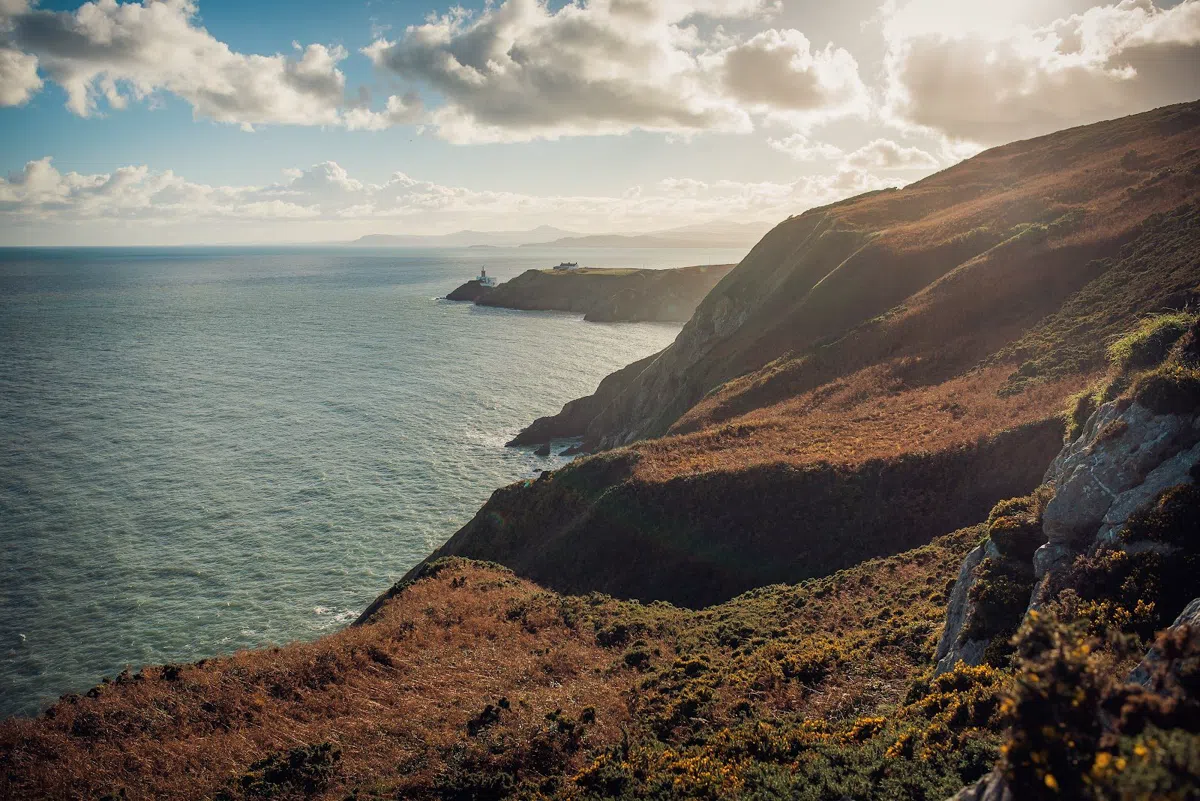
The Hajar mountains run all the way down to the Gulf of Oman and then stop dead in the water, and Muscat has filled in every flat pocket left between the rock and the sea. That is the whole explanation for the city's shape: a chain of separate bays strung along one coast road, each walled off from the next by a ridge of bare stone. It also means the views do most of the work for you here, and that the best of them cost nothing.
Start where the ships come in
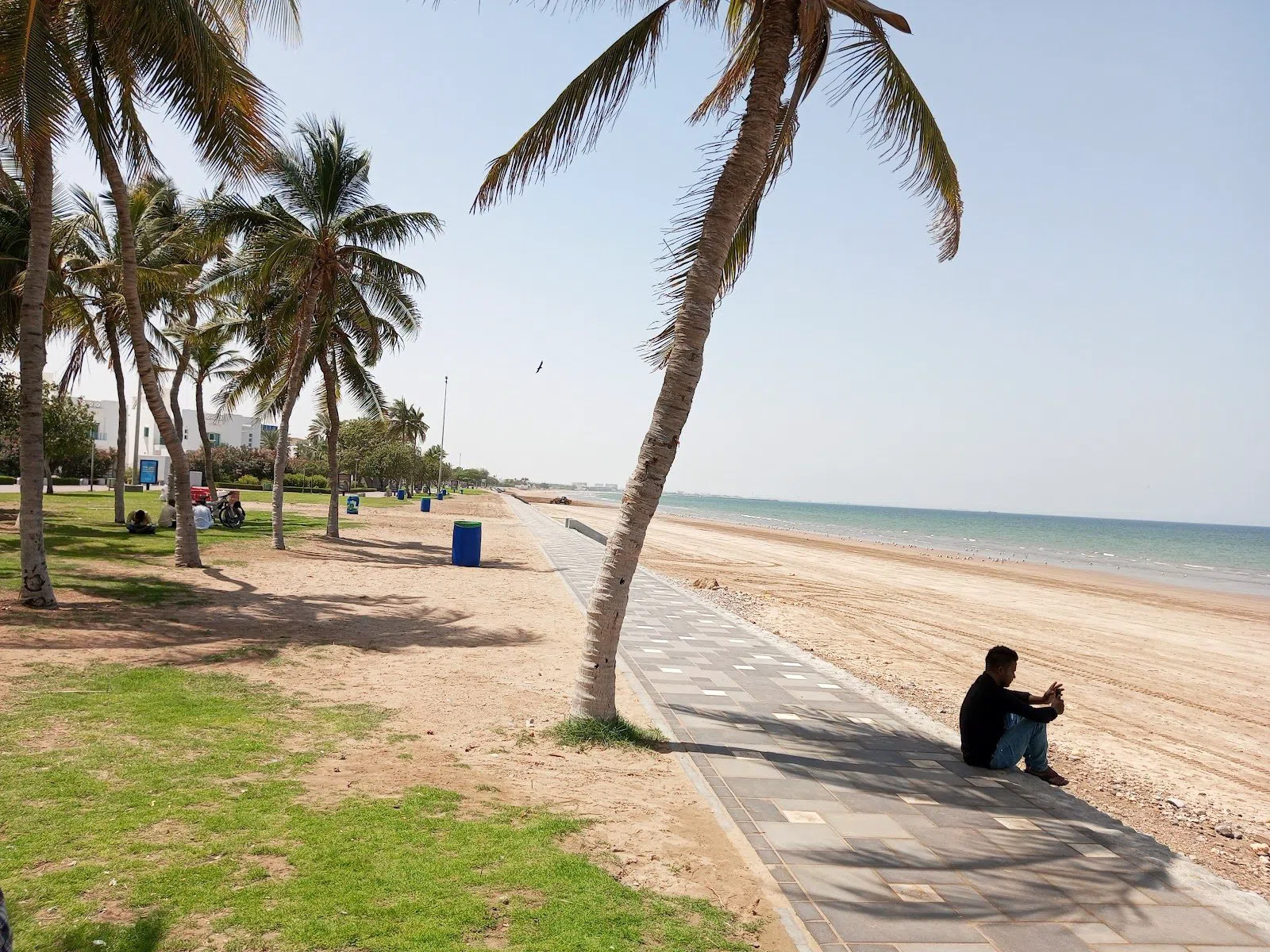
Mutrah Corniche (Mutrah, the old port district and the obvious base for a first day) is the single best free introduction to the mountain-meets-sea geometry of the city. It is a public street with no door policy, no ticket and no limit on numbers, and tour coaches park at the souq end, so it absorbs a group of any size without anyone noticing. Walk the full length rather than shooting from one spot. The wall of rock behind the whitewashed merchant houses changes shape every couple of hundred metres, and the harbour reads differently depending on what happens to be alongside.
Go in the last hour before sunset. The rock turns copper, the harbour lights come on, and the corniche is the one place in Muscat where you can watch both happen at the same time without paying for a table. It is also flat, lit and busy enough to be comfortable for solo walkers and for anyone travelling with people who cannot manage steps.
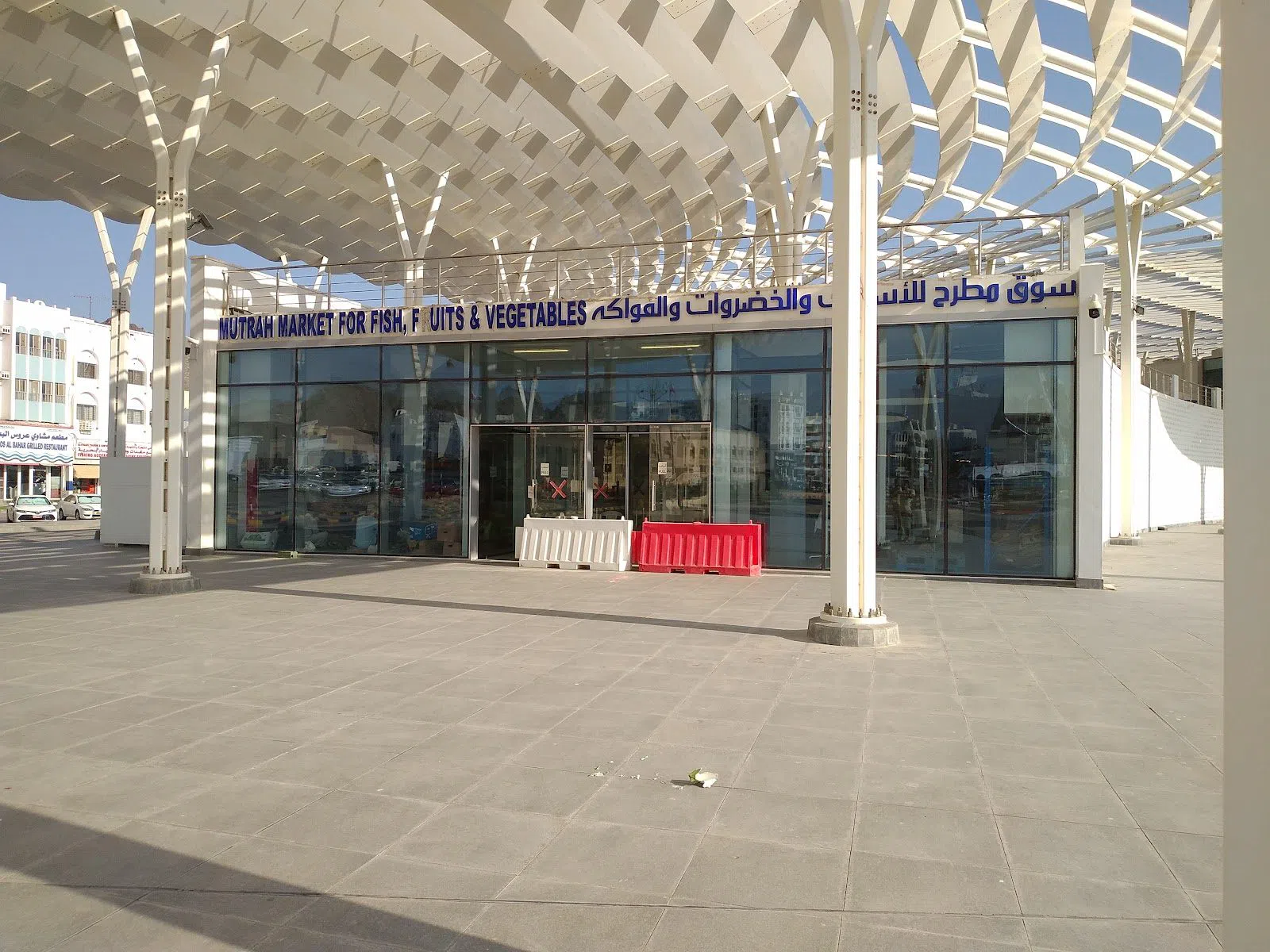
Muttrah Fish Market (on the corniche itself, free to enter) is worth timing deliberately, because it is really two visits. Between 6am and 9am the trading floor is at its tightest and loudest and the auction is the point; large groups will be in the way rather than in the middle of it. Later in the morning it empties out and the building's other purpose takes over: the upper level was designed for visitors to look out over the bay and the hills, and it is one of the few indoor vantage points in the city with the whole composition in front of it. The architecture is as much of a reason to come as the catch.
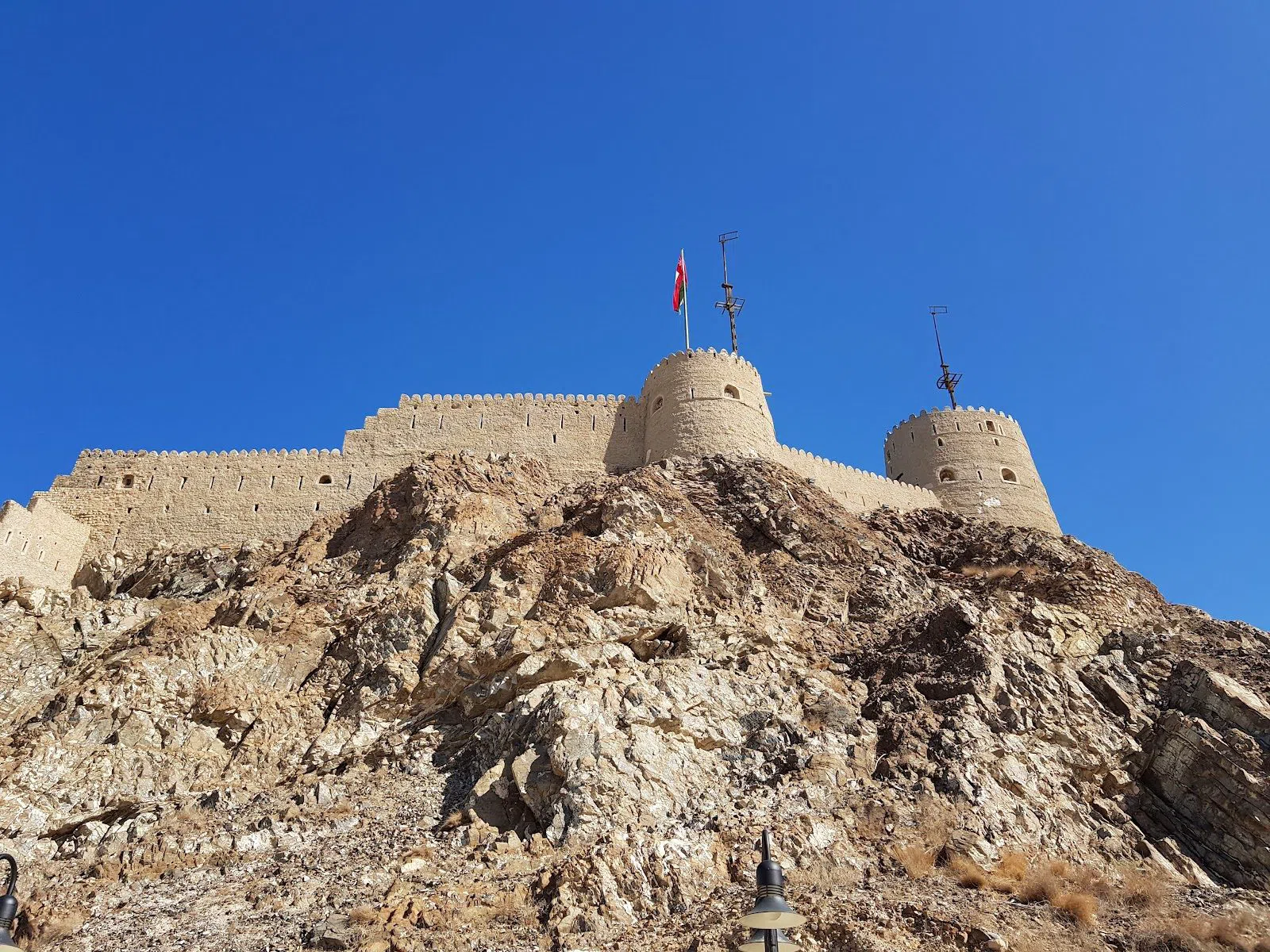
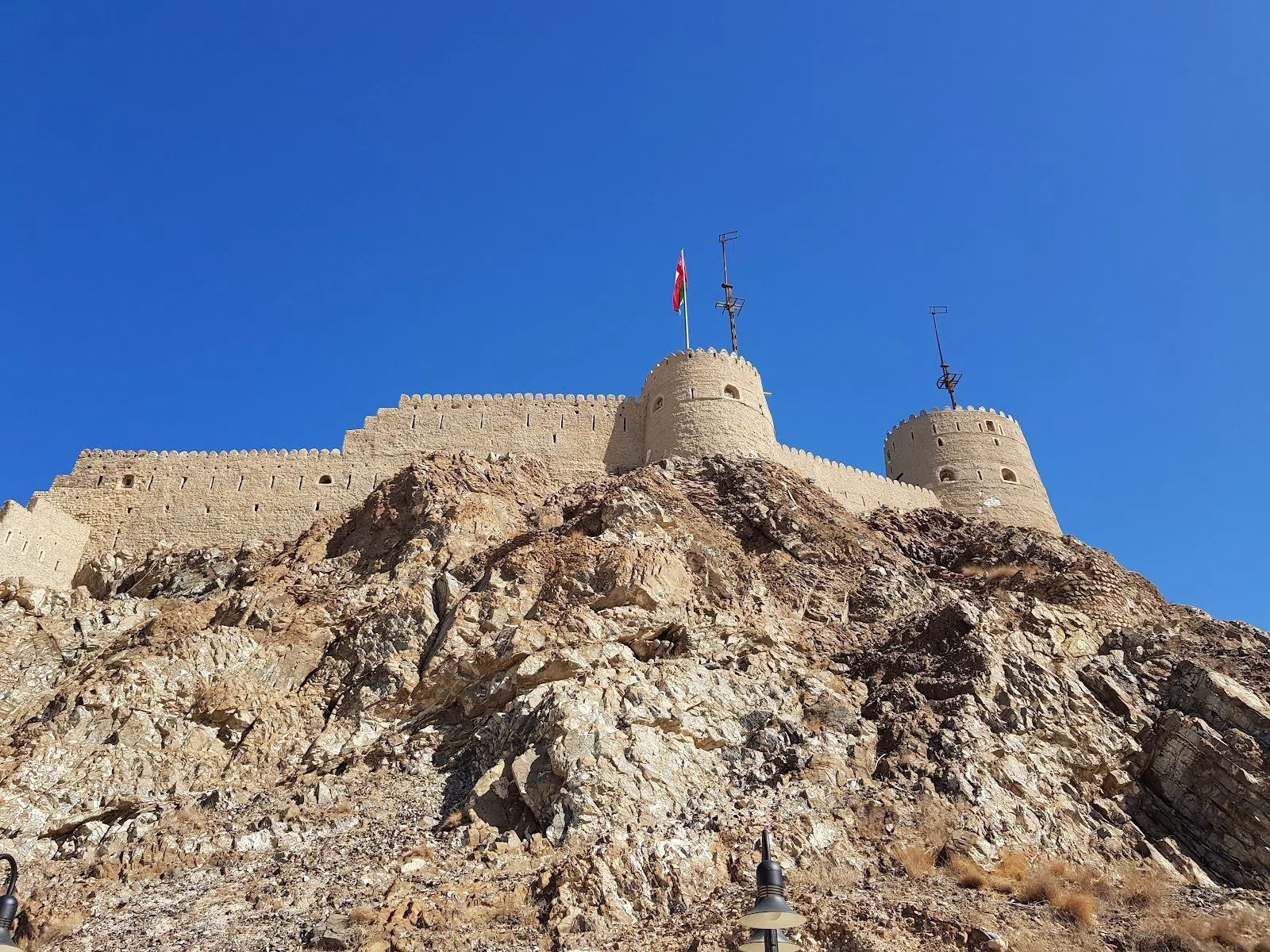
Muttrah Fort (above the eastern end of the corniche) has been restored and reopened as a walk-through living museum, and it charges OMR 3 (about US$8) per person at the gate, parking included. The climb is short by any standard, which is the argument for it: you get the postcard view straight down the length of Mutrah bay for a few minutes of effort. The catch is inside. The stairs and terraces are narrow, and a coach party that goes up in one block simply jams. Split into waves of eight or ten and everyone gets their turn on the platform.
Plan your Muscat trip
Live prices from our booking partners.
Free cancellation on many rooms. We may earn a commission when you book.
An hour of steep steps above the bay
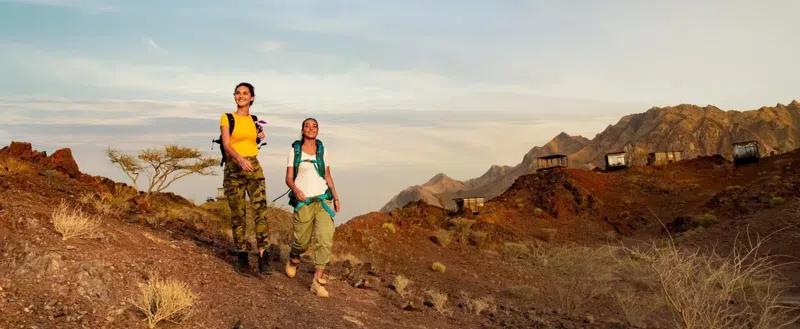
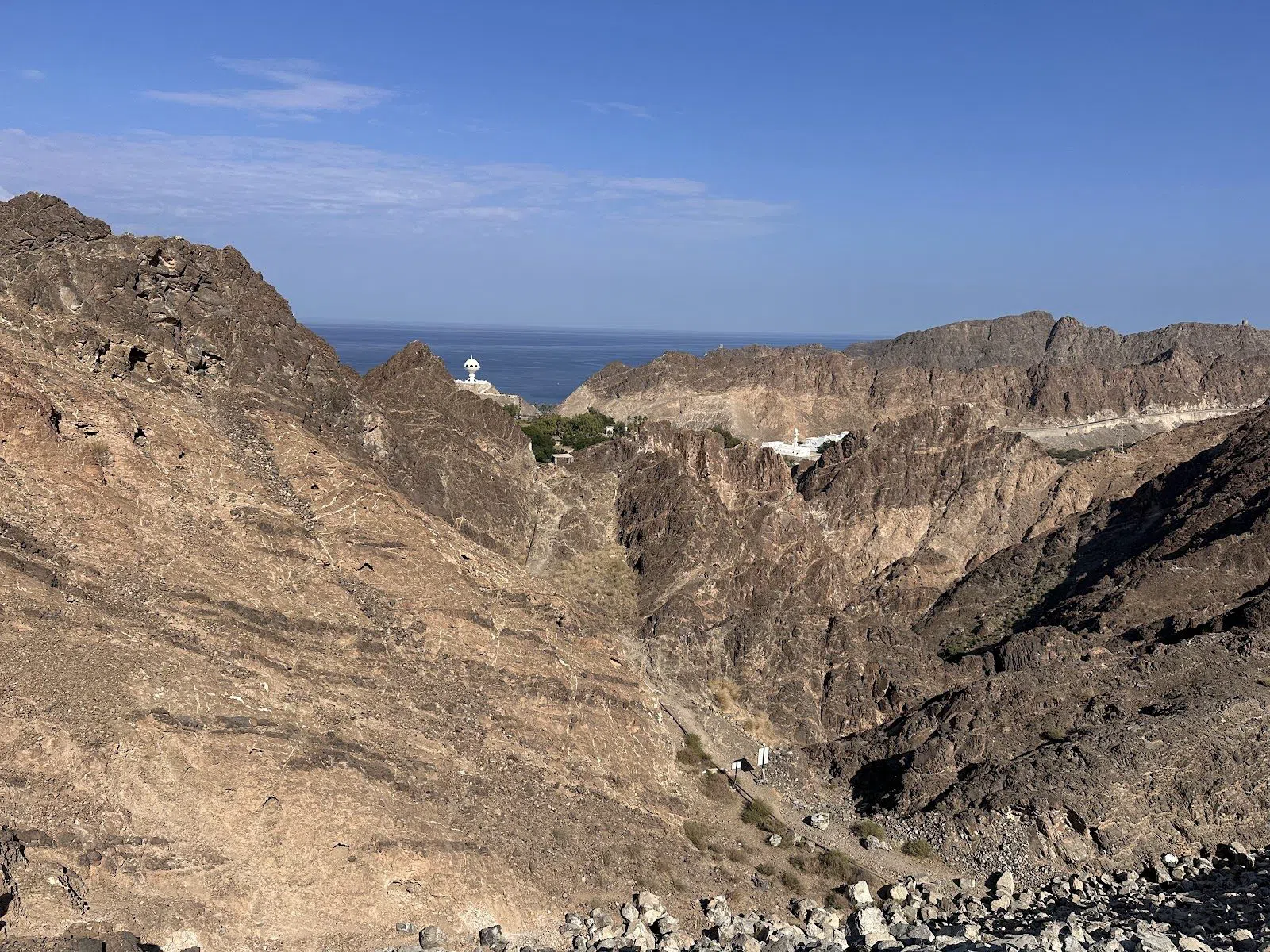
Muttrah Watchtower Viewpoint (the C38 trail, climbing from behind the corniche) gives the best free panorama in Muscat and asks for about an hour of steep steps to get it. There is no gate and no fee. There is also no shade, no railing and no width; the summit ledge takes a handful of people at a time, so this is a route for couples, solo walkers and small parties rather than anything organised. Proper shoes, more water than you think, and either early morning or the October-to-April window. The rock radiates heat long after the sun is off it, and the descent is harder on the knees than the climb is on the lungs.
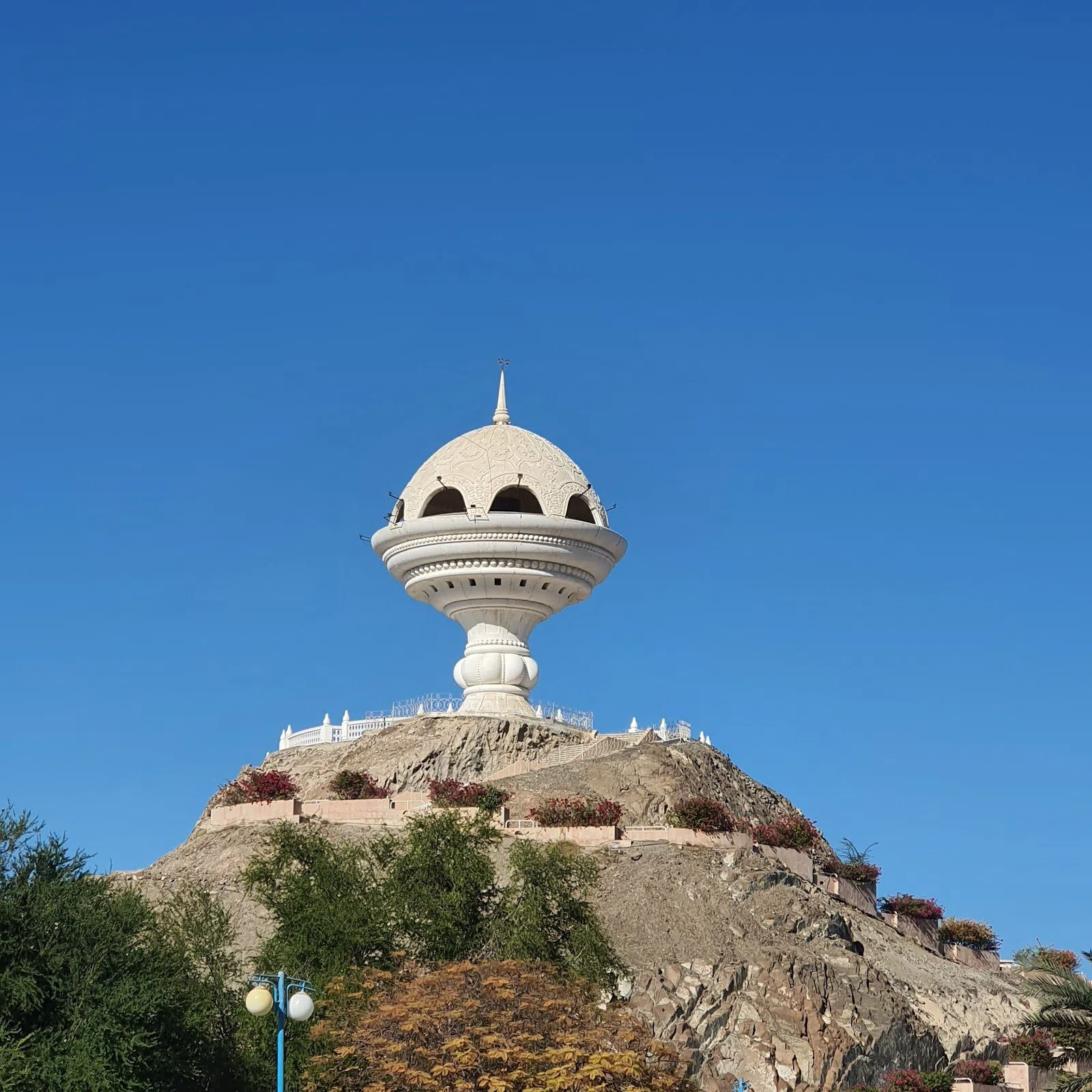
Al Riyam Park (Riyam, a few minutes east along the corniche road) is the low-effort alternative and works for everyone, with a large car park at the entrance and no restriction on numbers. The park and its sea-facing terraces are open and give you the bay from a hillside without the staircase. Be clear on two things before you go so nobody is disappointed. The censer monument on the hill is shut to visitors: you photograph it, you do not climb inside it. And the Muttrah cable car's summit station is under construction on the ridge behind the park, so do not build a day around riding it.
Old Muscat and its closed doors
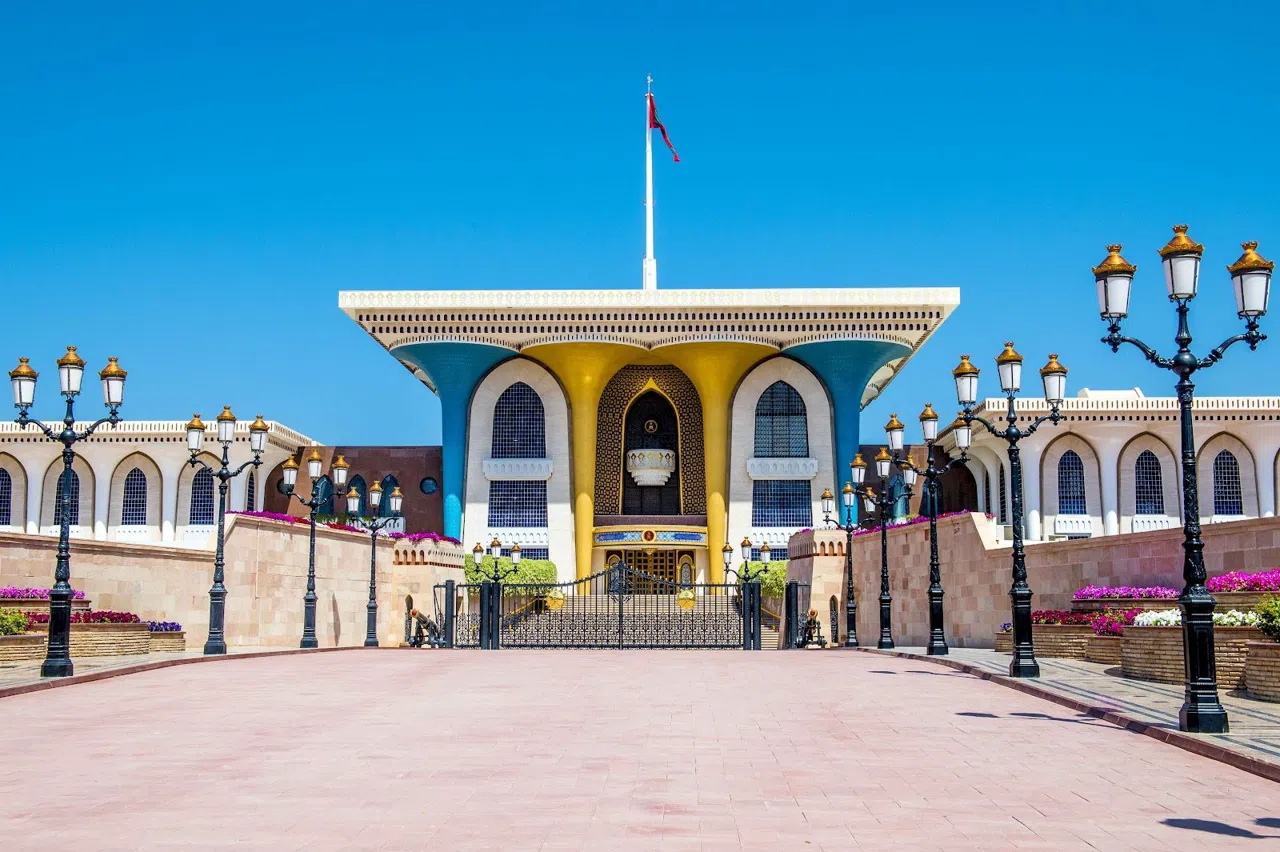
Al Alam Palace and the old Muscat harbour forts (Old Muscat, a short drive east of Mutrah) belong on a first itinerary for the setting rather than the buildings. The forecourt and the waterfront are public and take coach groups comfortably. The palace interior is never open, and both of the forts wedged into the cliffs above the harbour are closed to visitors. Say that out loud to whoever you are travelling with before you arrive, because guides sometimes let people assume otherwise.
What you get instead is the clearest single picture of why a city exists here at all: two fortifications hard against the rock, a narrow working royal harbour between them, and no flat land anywhere in the frame. Fifteen minutes, no cost, and it explains more than a museum room would.
Paid seats with the view already built in
Some days you want the view delivered to a chair. Duke's Gastro Pub at the Crowne Plaza Muscat (on the Qurum headland) is the most reliable paid sunset seat in central Muscat, because the hotel sits on the headland itself and there is no walk between the car and the panorama. It is open to non-residents, takes bookings and groups, and is a licensed venue with the usual hotel-bar dress and door rules, which are not onerous but are enforced. Mains run OMR 6-12 and drinks OMR 4-8. Book a terrace table specifically, and book it for golden hour rather than after dark.
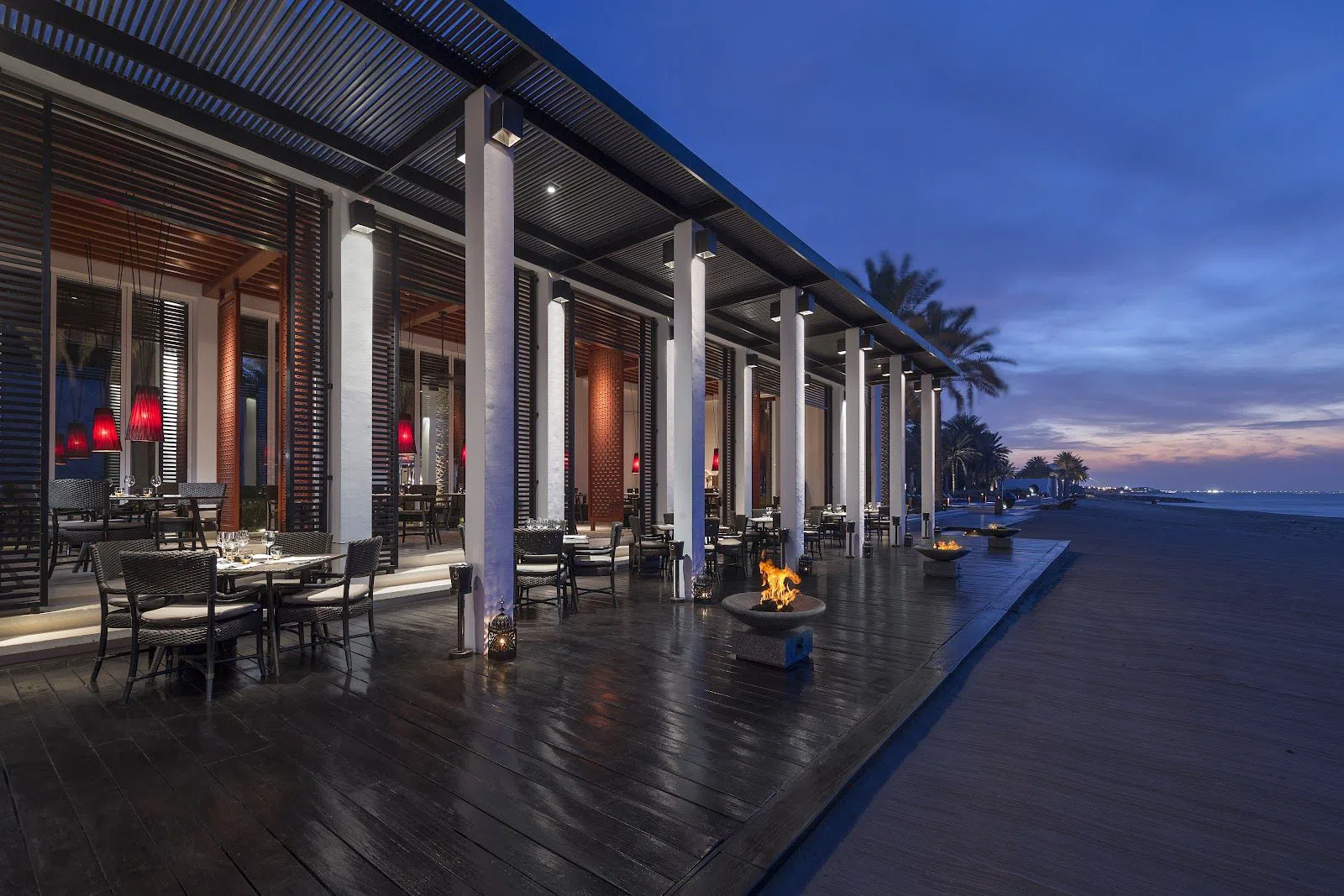
The Chedi Muscat (Al Ghubra, on the western side of the city) has the clearest sea-and-mountain framing of anywhere on that flank, and you do not have to stay to see it. The restaurants take non-resident bookings and small groups, and The Beach Restaurant is the one to ask for. The beach and the pools are for guests only, so treat it as a dinner destination, not a day out. Expect around OMR 25-45 a head for dinner; rooms start near US$400 if you decide to stay. If you would rather have the view from the room than from the table, compare what is on the water against what is up on the ridges with a Muscat hotel search before you commit to a district.
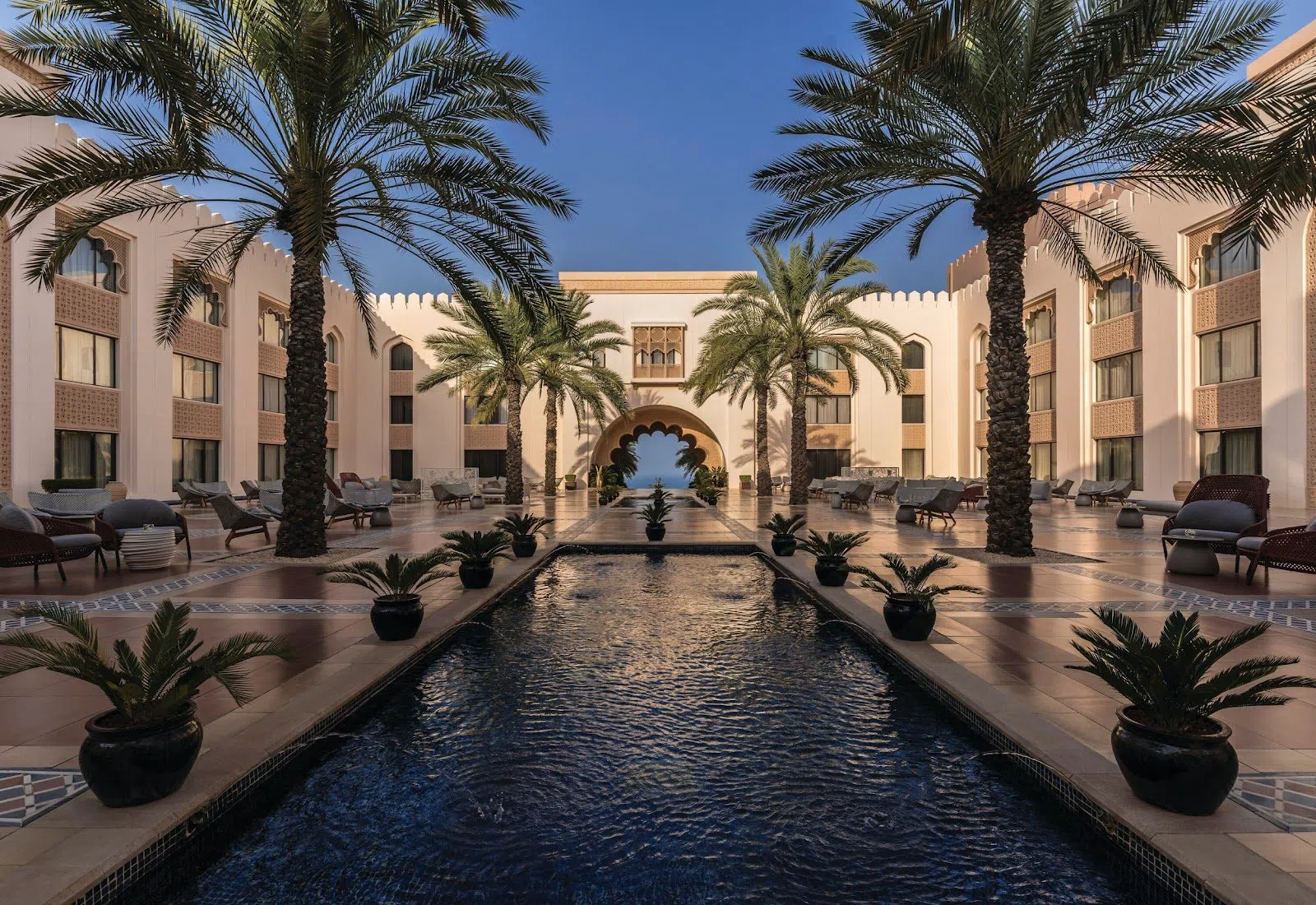
Al Husn Hotel Muscat (Barr Al Jissah, south of the centre) is the clifftop option and comes with one hard restriction: it is adults-only, so it is off the list for anyone travelling with children. Small adult groups are fine, and day access is limited to residents and booked diners. Rooms start around OMR 150 (roughly US$390). Book it under the current name. Hilton took over the running of it when the Shangri-La era ended on 1 January 2026, and it is slated to become a Waldorf Astoria in 2027, so older listings and third-hand recommendations will send you looking for a hotel that no longer answers to that name.
The coast road south
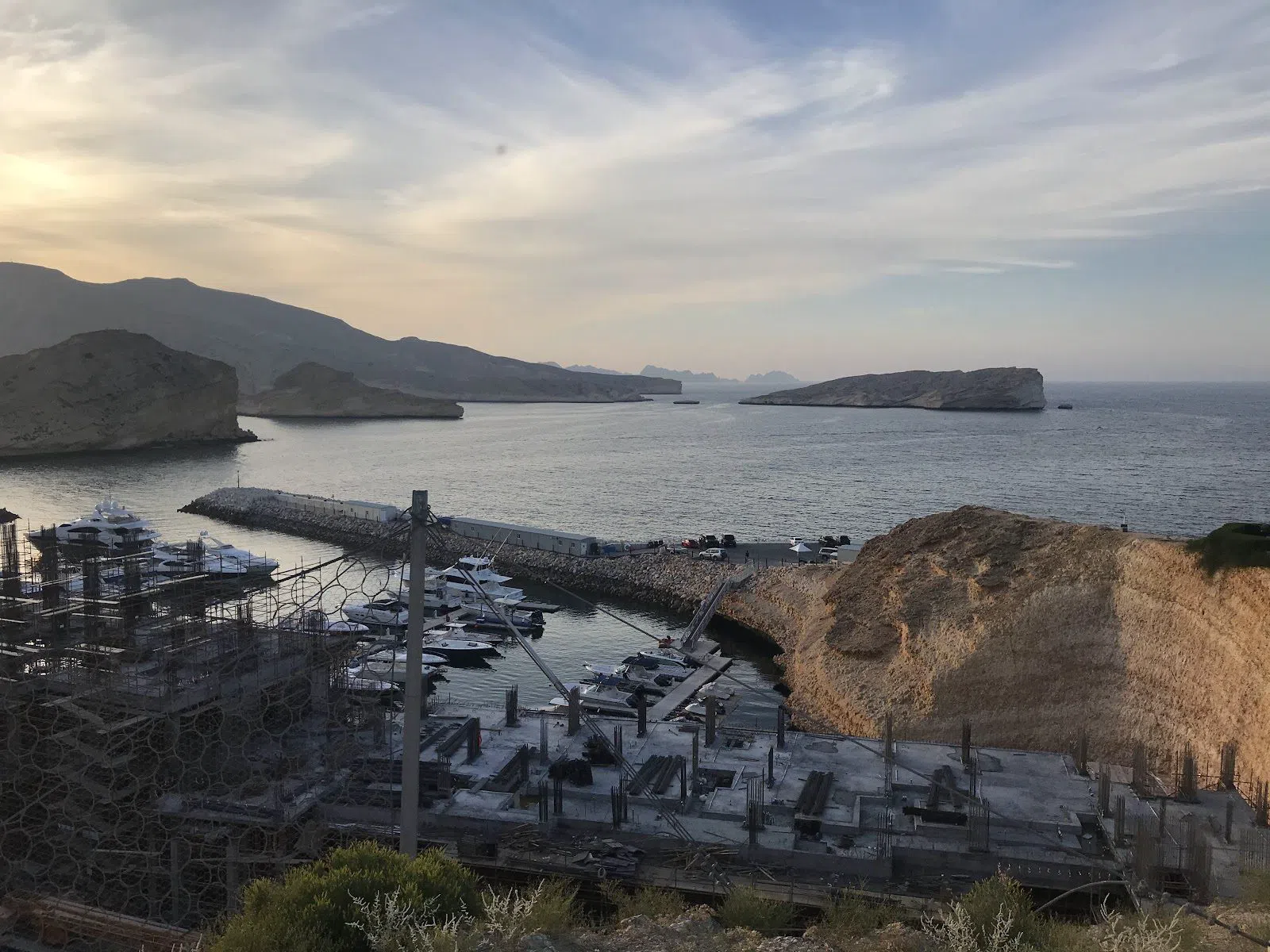
Driving south out of the city on the Al Bustan-Qantab road, stop at the Bandar Jissah viewpoint (a roadside pull-in, free, no facilities). It is fine for a car or a minibus and tight for a coach. Give it two minutes and it will explain Omani geology better than any exhibition: the dark rock here is ophiolite, ocean crust pushed up onto land, and it looks nothing like the grey limestone you see inland. Once you have registered the difference you will keep noticing it for the rest of the trip.
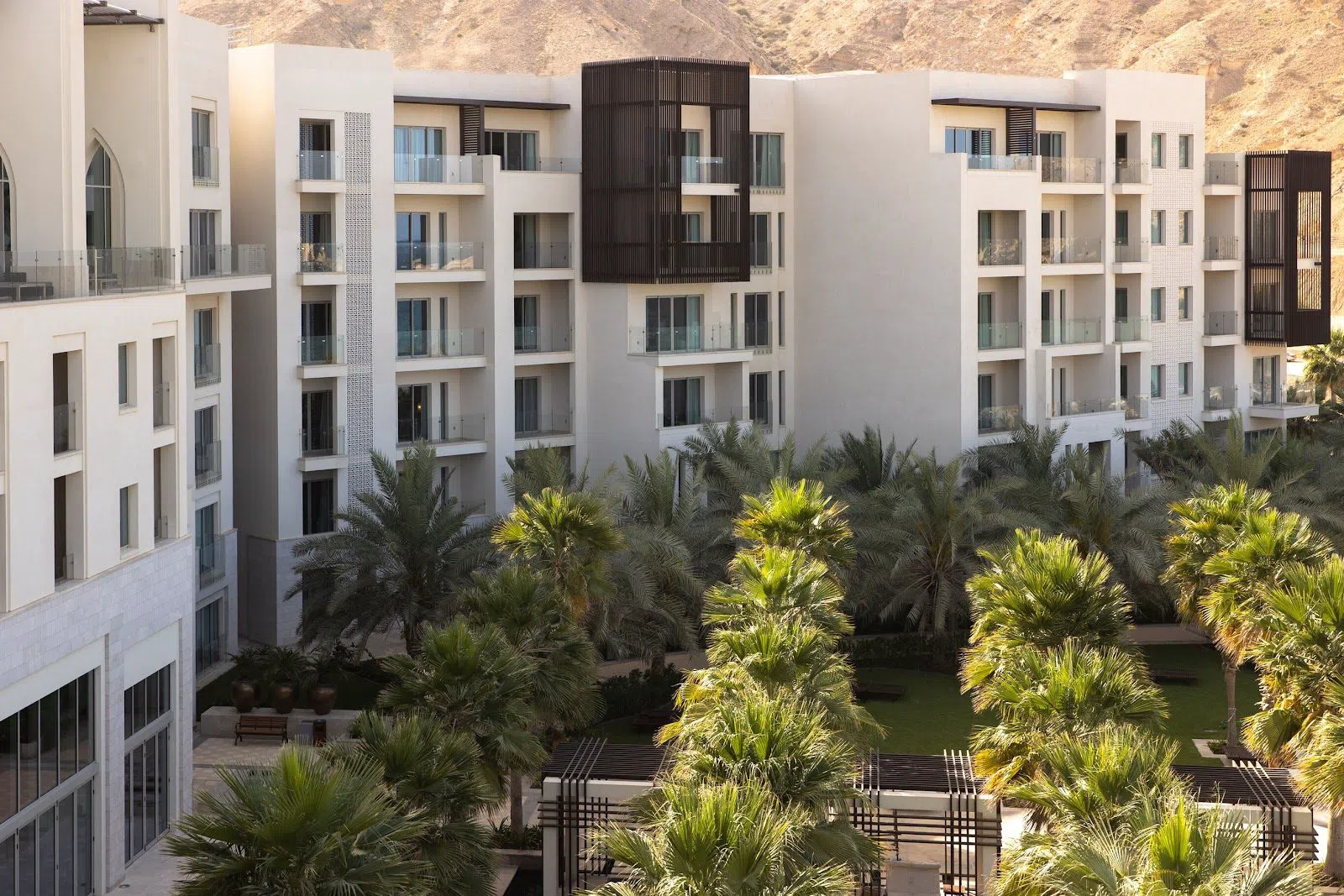
A little further on, Jumeirah Muscat Bay (in the Bandar Jissah cove) is where the mountains crowd the water more tightly than anywhere else within half an hour of the centre. It takes groups and events, and restaurants such as Brezza accept non-resident reservations, so it works as a lunch stop rather than only as a stay, which is the sensible way to use it if you are heading on to the water. Rooms start around US$300 and dinner runs OMR 20-40 a head.
Getting out on the water
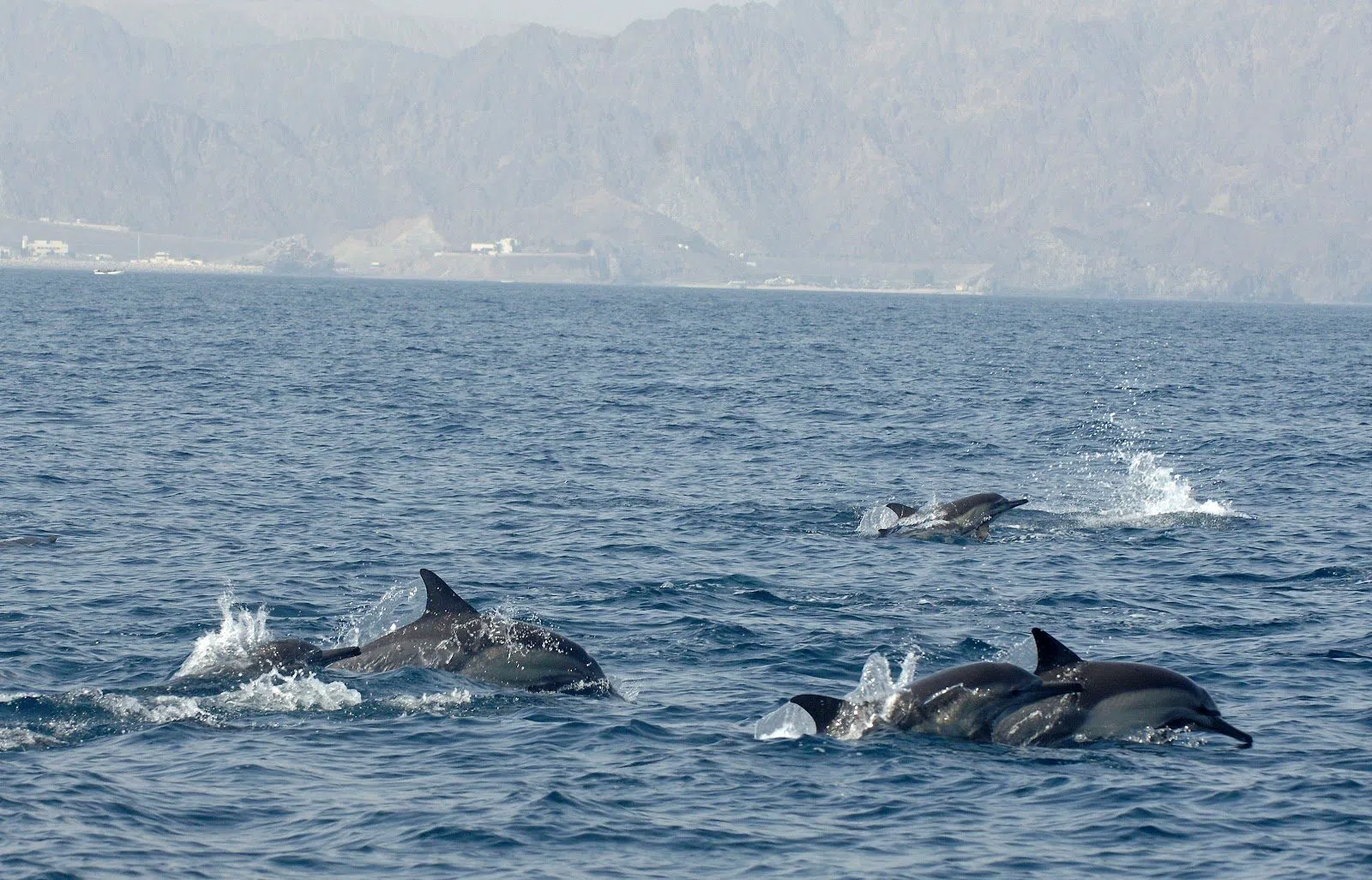
From the sea, the cliff-lined coast reads as one continuous wall, a completely different picture from the one you get on land. Sidab Sea Tours (Marina Bandar Al Rowdha, Sidab) has been running out of the marina since 1998 and is the straightforward choice for a group: up to 26 on the cruise boat, hotel pick-up and drop-off offered, charters available. Roughly OMR 15-25 per person buys a two-hour trip. Take the 8am dolphin-and-coast run rather than a later one; the wind gets up as the morning goes on and the sea state decides how much you enjoy it.
Husaak Adventures Kayak Centre (on the beach at Bandar Khayran) is the paddling half of the same idea, and Bandar Khayran's inlets really are best seen from the water. It is built for groups, with single and double kayaks, and it splits into two products: guided sunrise, sunset and night tours, which need pre-booking, and self-guided rental, which runs seven days a week from 7am to 5pm and can usually be walked up to. SUP starts at OMR 5 and kayak rental runs OMR 8-14 per person, with guided departures higher. If your group has mixed confidence in the water, doubles solve most of it.
Swapping the sea for rock
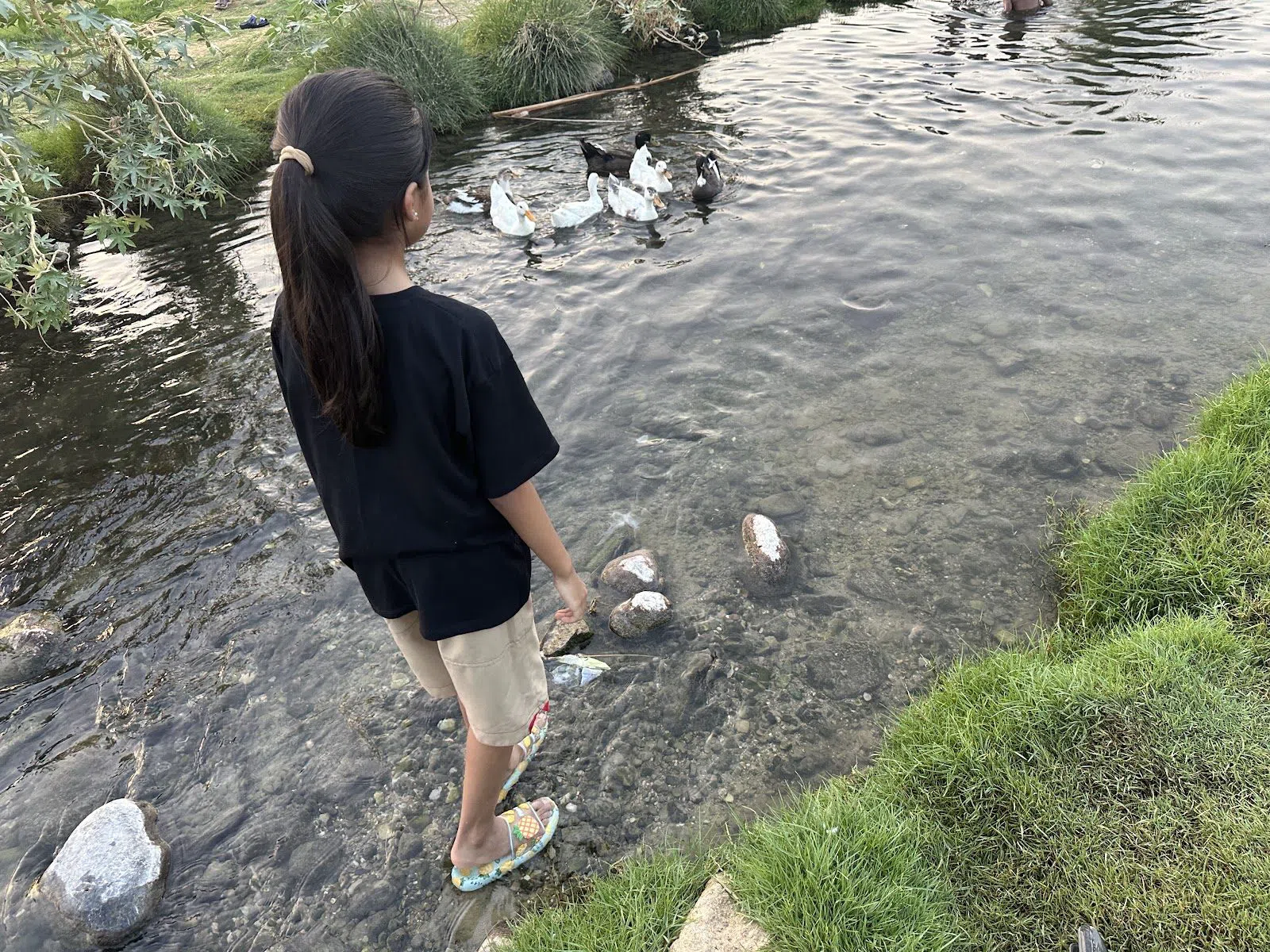
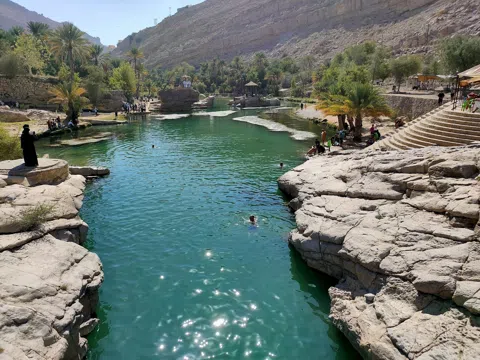
Wadi Mayh (inland, entered from the Al Amerat side) is about 20km of canyon on a public road with no gate, and the sealed section is fine in a two-wheel-drive car or a minibus. It is the cheapest way to trade sea views for mountain ones without leaving Muscat governorate, and a good half-day when the coast has started to look the same in every photograph.
Jebel Sifah (45 minutes south of the city) is a marina resort town where the marina, cafés and beach are open to day visitors at no cost. It is the easiest place in reach of Muscat to stand with mountains at your back and open sea in front, and the roof terraces at the Sifawy hotel have the best angle on that. The hotel takes groups and events, with rooms from around US$150 if you want to break the drive.
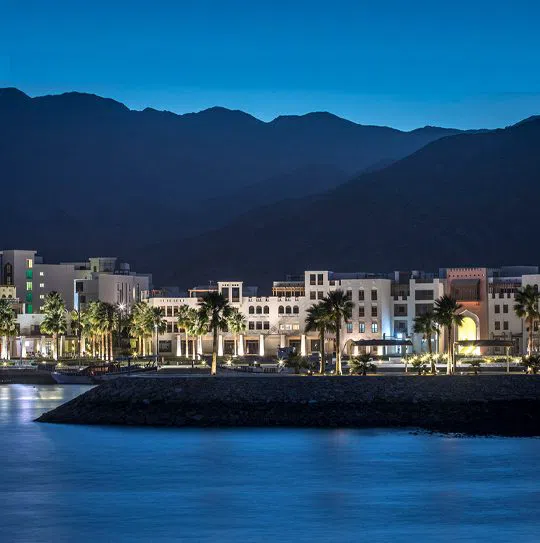
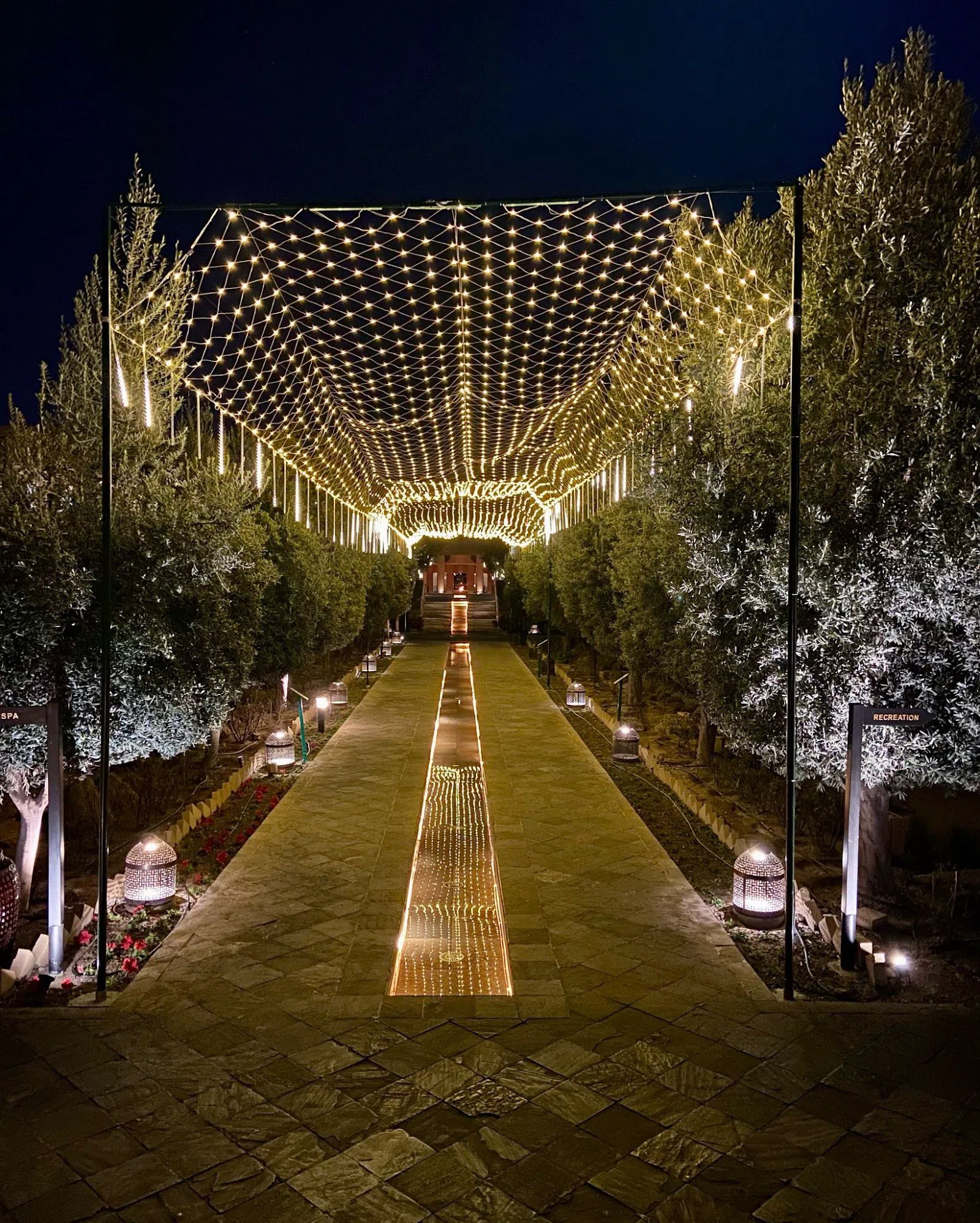
The one mountain trip worth a full day is Anantara Al Jabal Al Akhdar Resort and its Diana's Point (up on the Jabal Al Akhdar plateau). The viewpoint itself is free and open to non-residents (park before the hotel and tell staff you are there for the point), and the resort takes groups by arrangement, with rooms from around US$450. Two logistics decide whether this happens at all. A 4WD is legally required past the police checkpoint at the foot of the climb, and hire firms must supply the paperwork to prove the vehicle qualifies, so confirm that when you book the car rather than at the barrier. And leave by 6.30am: the drive is long, the light on the terraced villages is better early, and you do not want to be coming back down the escarpment tired.
Groups, couples and what actually works
If you are moving as a large party, build the day on Mutrah Corniche, Al Riyam Park, the Al Alam forecourt and a Sidab boat, and add Muttrah Fort in split waves. If it is two of you, the watchtower climb and a booked terrace table at Duke's are the two highest-return hours in the city. Anyone with children should route around Al Husn entirely. Anyone with mobility limits should skip the C38 trail and take the fort instead: same bay, a fraction of the steps.
Practical notes for a first visit
Transport is the thing to settle first. Muscat is long and thin and the districts are genuinely separate; nothing here is walkable end to end except the corniche itself. A hire car is the default, and a standard two-wheel-drive covers everything in this article except Diana's Point, which needs a documented 4WD. Coaches struggle at the Bandar Jissah pull-in and at the top of Muttrah Fort; a minibus does not.
Prices are in Omani rials. Hotels, resort restaurants and tour operators take cards without fuss; carry cash for parking, the fish market and anything roadside. The paid items are small: OMR 3 for the fort, OMR 5-14 for paddling, OMR 15-25 for a boat trip. A viewpoint-led day is cheap right up until you sit down to dinner at OMR 25-45 a head.
On timing, go between October and April for anything involving a climb, and start early for the watchtower whatever the month. Boats in the morning, the corniche and paid terraces at the end of the day, forts and markets in between.
Two people can do a full day of the free viewpoints, a fort ticket and a two-hour boat trip for well under OMR 50 between them. Add a resort dinner and you have doubled it. For where to base yourself and what else fills the days around these, start with the Muscat guide.
Before you go
When is the best time of year and time of day for Muscat's viewpoints?
October to April for anything involving a climb: the C38 watchtower trail has no shade and the rock holds heat. Whatever the month, do the watchtower at first light, take boat trips at 8am before the wind gets up, and save Mutrah Corniche and the paid terraces for the last hour before sunset.
Do I need a car, and do I need a 4WD?
You need a car for everything except the Mutrah waterfront, which is walkable end to end. A standard two-wheel-drive handles the coast road, Wadi Mayh's sealed section and Jebel Sifah. A 4WD is legally required only for Jabal Al Akhdar, where a police checkpoint sits at the foot of the climb and the hire firm must supply paperwork showing the vehicle qualifies.
Can I go inside Al Alam Palace or the forts at Old Muscat?
No. The palace interior is never open to visitors and both of the cliff forts above the harbour are closed. The forecourt and waterfront are public and free, and the setting is the reason to go, but nobody gets inside the buildings.
Is the Muttrah cable car running?
Its summit station is still under construction on the ridge behind Al Riyam Park, so do not plan a day around it. For the same elevated view, pay OMR 3 at Muttrah Fort for the short climb, or walk the C38 watchtower trail for free if you have an hour and decent shoes.
Which viewpoints work for a large group?
Mutrah Corniche, Al Riyam Park and the Al Alam Palace forecourt take any number, and Sidab Sea Tours carries up to 26 on its cruise boat with hotel pick-up. Muttrah Fort works if you send people up in waves of eight or ten. Skip the C38 watchtower, where the summit ledge is narrow, and note that Al Husn Hotel Muscat is adults-only.