The Muscat issue
The Scent of Empire: Muscat and the Frankincense Trade
A grounded, no-nonsense guide to buying, learning about and burning Oman's ancient resin — from the dollar-a-bag stalls of Mutrah to the sommelier tasting at Barr Al Jissah.
By Bram VisserForts, wadis and the long way round
Frankincense — luban in Arabic — is the dried sap of the Boswellia tree, tapped from the scrubby hills of Oman's far south and carried north for three thousand years to be burned, bartered and taxed. Muscat sits at the coastal end of that old road, a low white city pinned between the Hajar mountains and the Gulf of Oman, and it still trades the resin on nearly every corner. This guide is about buying it well, understanding what you're paying for, and not overpaying for the privilege.
Start with the story, not the shop
It is worth an hour of context before you spend a single rial, because frankincense makes far more sense once you know why Oman built an economy on it. Two museums do this job cleanly and neither requires you to know anything in advance.
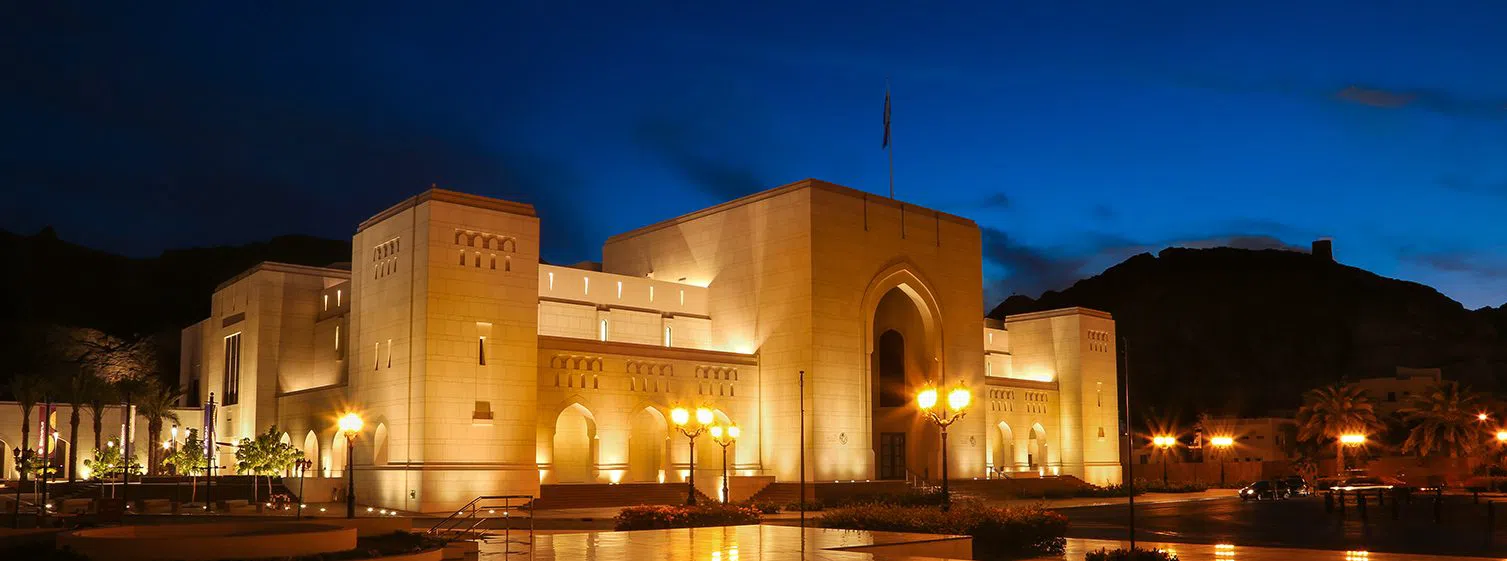
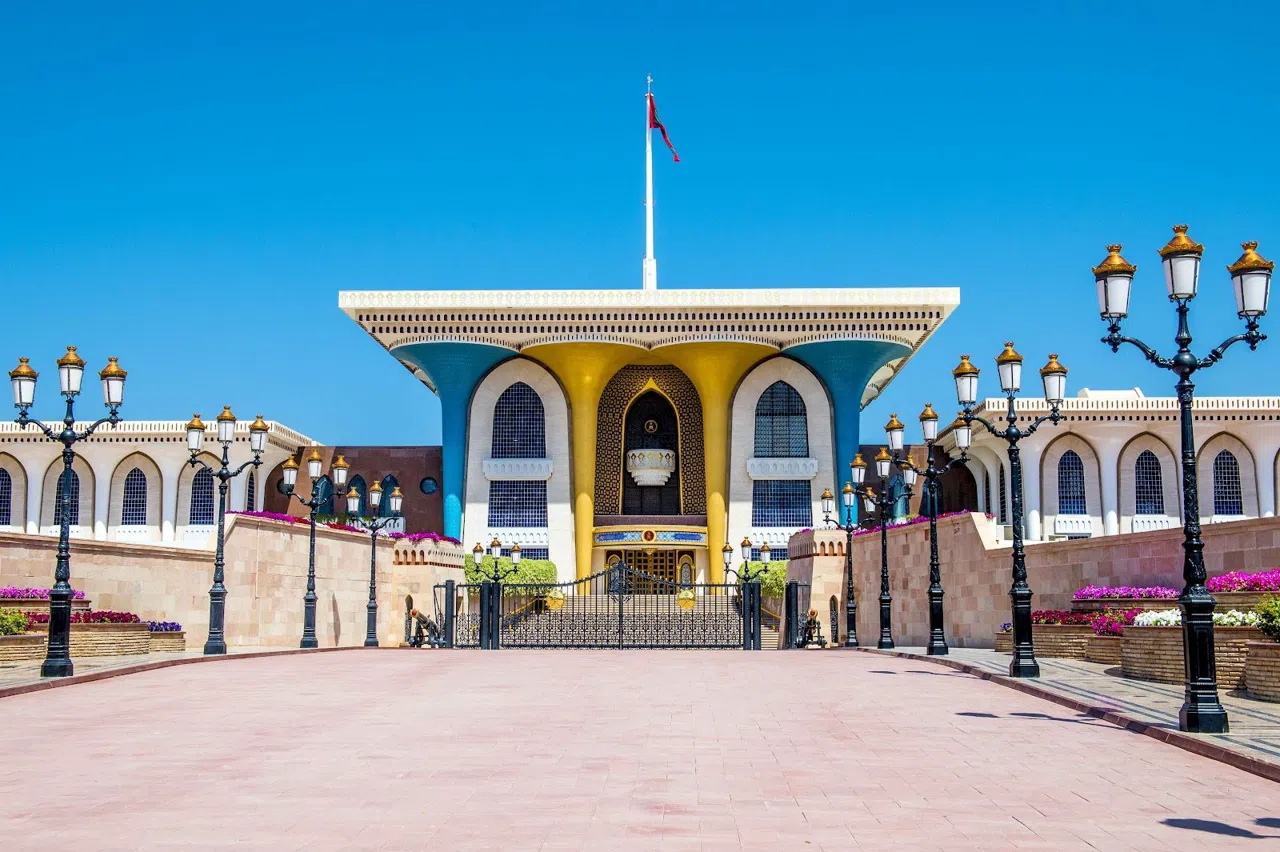
National Museum of Oman (Old Muscat, beside the Al Alam Palace) is the better of the two for the trade itself. A ticket is around OMR 5, and the building is fully accessible with a café, parking and group tours — the easy choice if you're travelling with a mixed-ability group or with children. The galleries lay out how Omani luban moved along the incense route and why the southern harvest commanded the prices it did. The gift shop is curated rather than deep: good for a clean, well-labelled bag or two, not for volume. Buy your understanding here and your quantity elsewhere.
A short walk away, Bait Al Zubair Museum (Old Muscat) is a private collection housed in a former family home, with a café for downtime and a small shop. Entry runs about OMR 2. It gives the resin its cultural backstory — the household rituals, the silver, the dress — and its shop, though tiny, is reliably authentic and mid-priced. Both museums suit groups and couples equally; go in the morning when Old Muscat is cool and the light on the palace is at its best, and you'll have the frankincense in its proper context before you meet a single stallholder.

Plan your Muscat trip
Live prices from our booking partners.
Free cancellation on many rooms. We may earn a commission when you book.
The souqs: where the resin is cheapest
This is where most people picture buying frankincense, and rightly so. The souqs are the cheapest source and the most atmospheric, with the trade-off you'd expect: crowds, heat and haggling.
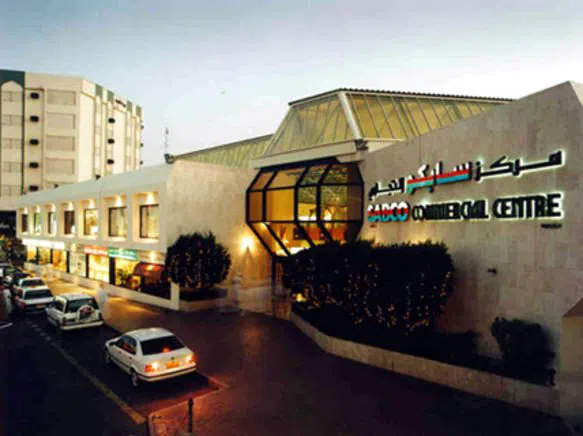
Souq Muttrah (Mutrah, along the Corniche) is the classic — a warren of tiny independent stalls under a carved timber roof, a ten-minute walk from the fish market and the harbour. There is no door policy and nothing to book; the only barrier is the crowd at peak. Bags of luban start at around OMR 1–5 depending on grade and size, and haggling is expected rather than optional — settle in, be friendly, and don't accept the first number. Two practical tips carry the whole visit. First, judge the grade by colour: you want white or translucent grains, which burn cleaner and smell brighter, over the cheaper greyish sort. Second, look for the three-generation attar shop near the entrance, where the family knows their stock and will actually explain the difference between hojari and the everyday grades. Go after about 5pm when the day heat has broken and the souq comes alive; avoid the middle of the day, when it's both hottest and thickest with cruise groups.
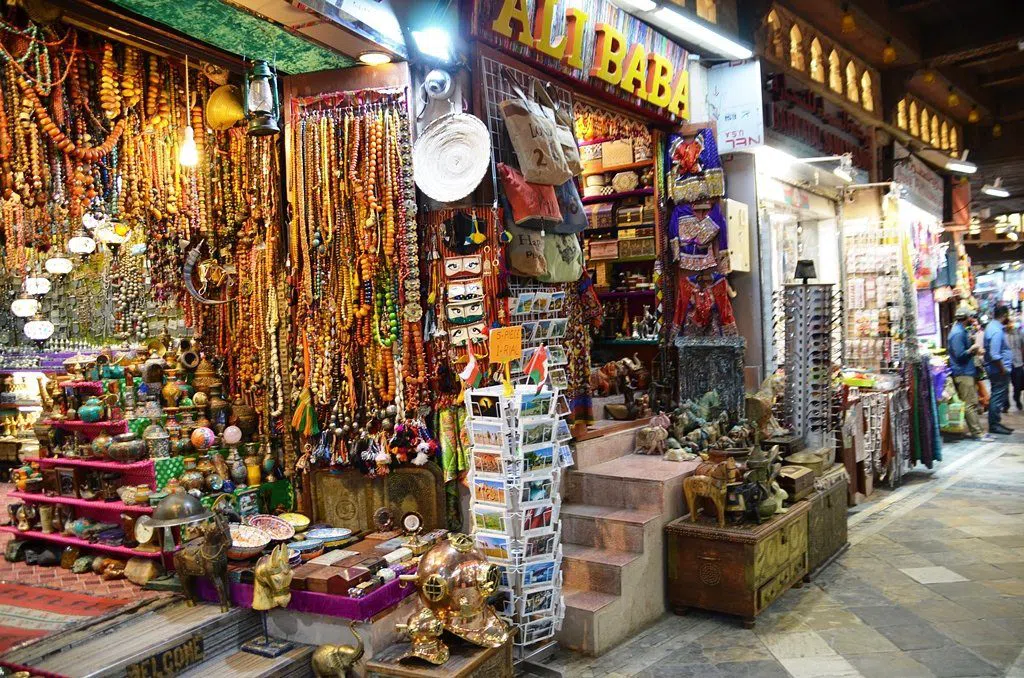
If the bargaining scrum isn't for you, Sabco Centre Souk (Qurum) is the sensible alternative. It's an indoor, air-conditioned souk — calmer than Mutrah, easy for wheelchairs and easy for groups who don't want to get separated in a crowd. Pricing is mid-range, some stalls fixed and some negotiable, and you get most of the same goods without the heat or the haggling pressure. It suits travellers who want the souk experience filed down to something low-stress, and it's a fair fallback on a Friday morning when Old Muscat is quiet.
A day trip worth flagging
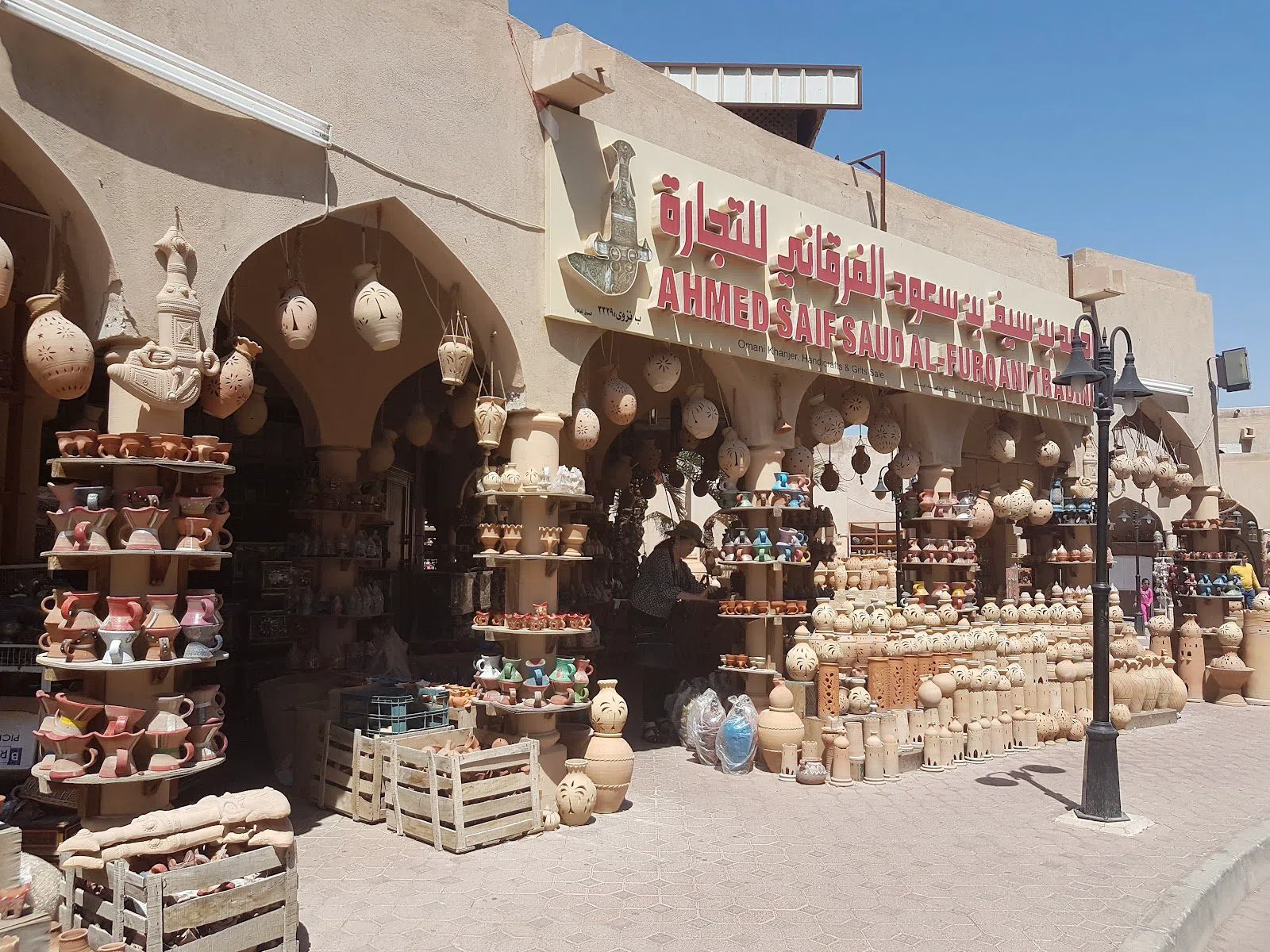
Nizwa Souq sits about a ninety-minute drive inland from Muscat, so treat it as a day trip rather than a city stop — but it earns the mention. The souk was restored around the great round fort, giving it far more space than Mutrah and an easier flow for groups. Frankincense here costs a few rial, and the bargaining is lighter than on the coast. The one logistical catch is the famous Friday goat market, which is spectacular but fills the parking early — arrive before 8am if you're going on a Friday, or come midweek for a calmer browse. If you have a spare morning and a car, it's the standout inland hunt for good resin, and the fort makes a proper half-day of it. Pair it with a return to Muscat for lunch and you've lost nothing from your city time.
The calm, fixed-price route
Not everyone wants to negotiate, and there is no shame in paying a fair fixed price for something you can trust. Three places in Muscat take the guesswork out.
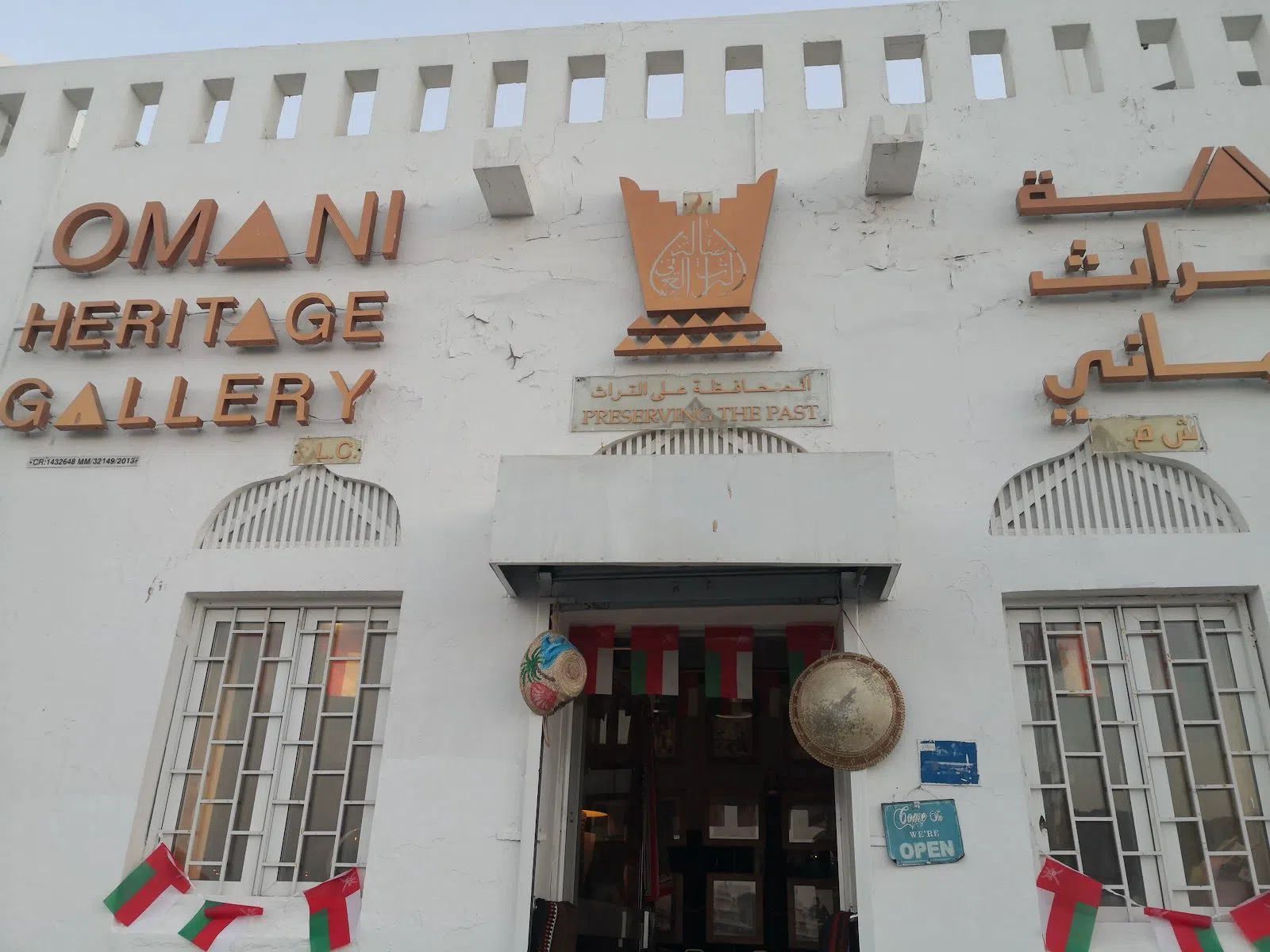
Omani Heritage Gallery (Qurum) is a non-profit that supports Omani artisans, which means the pricing is fixed and the provenance is dependable — you are not gambling on quality. It's a calm gallery setting that suits tour groups as easily as couples, mid-priced, with no haggling to manage. This is the reassuring choice for gift-boxed luban and for the little charcoal burners, and the money goes somewhere sensible. Its sister-in-spirit, Omani Craftsmen's House (also a quiet, fixed-price showroom), is where I'd go specifically for a well-made mabkhara — the traditional burner you'll want to pair with the resin. Buy the frankincense at one and the burner at the other and you've assembled the whole ritual without a single hard sell.
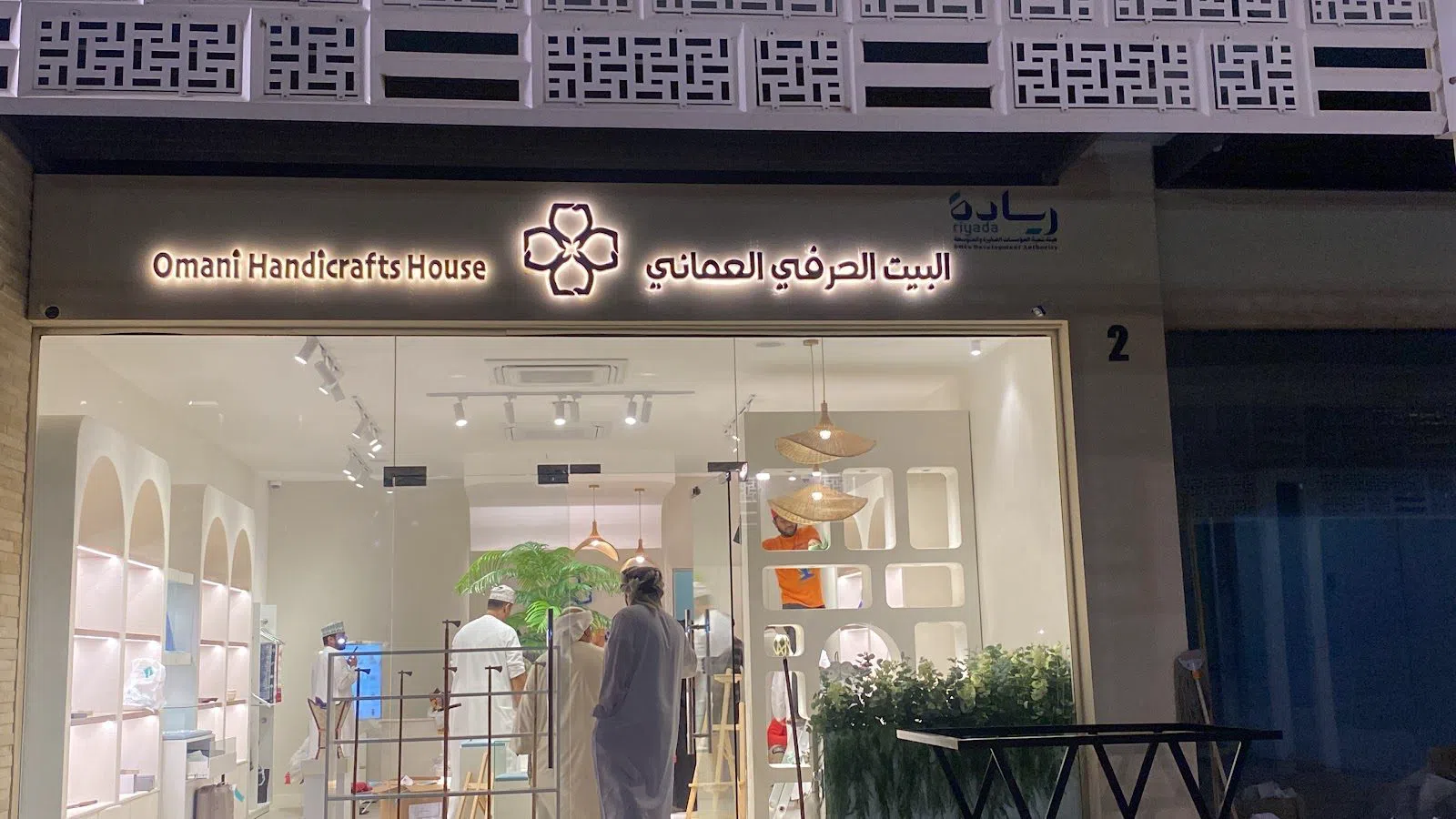
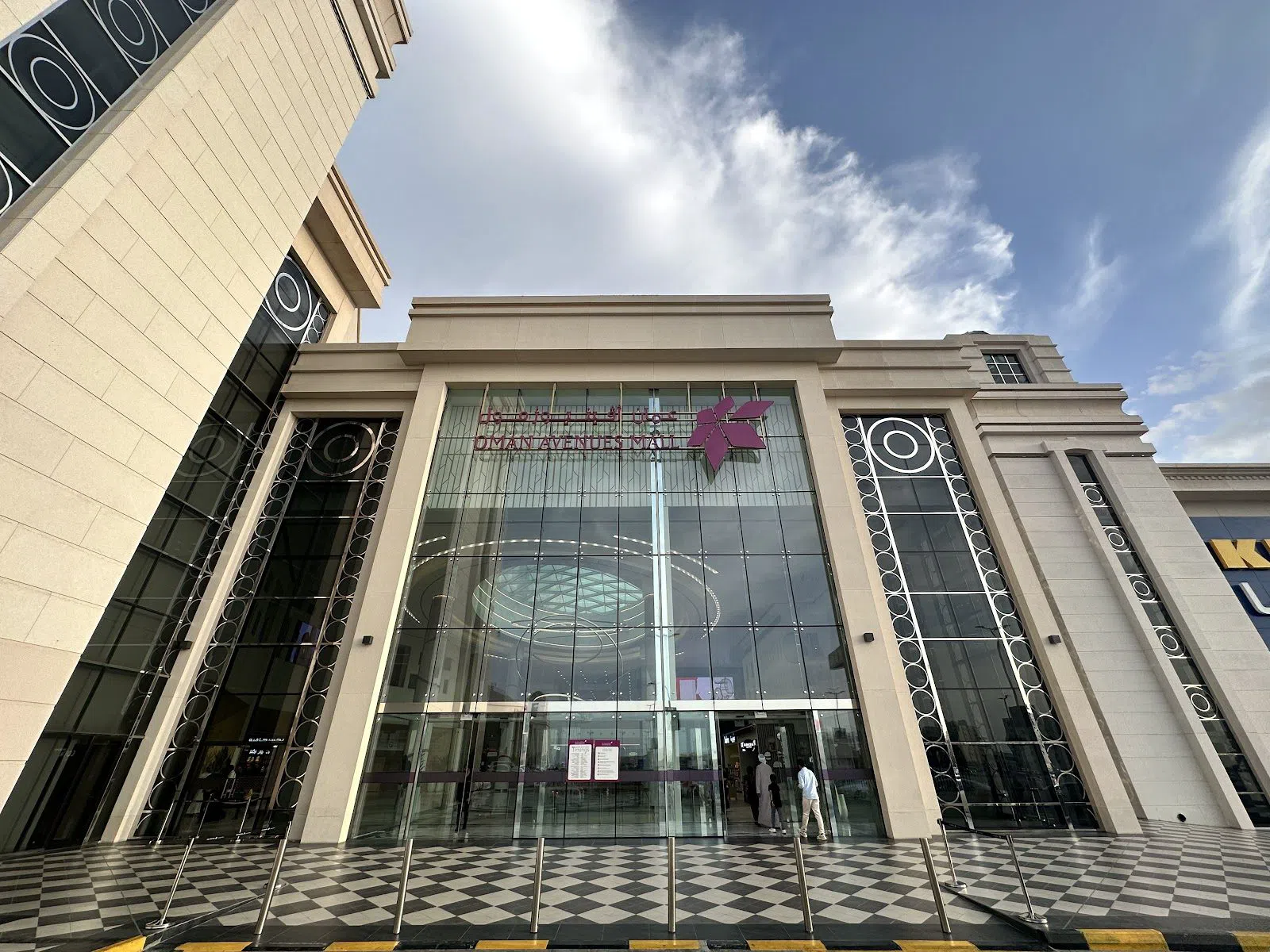
For pure convenience, Oman Avenues Mall (Ghubra/Bausher) is the no-haggle, air-conditioned option, family- and group-friendly with ample parking. Prices sit at the budget-to-mid end and are fixed, and it's often cited as one of the most reasonably priced spots in the city for everyday luban and gifts. It is convenient rather than atmospheric — you go here to get the job done between other errands, not for the experience. If you're short on time or travelling with people who wilt in the heat, it's an honest recommendation.
The luxury end: house perfume and a sommelier
Oman turned its frankincense into a global luxury brand, and two experiences let you meet that end of the trade.
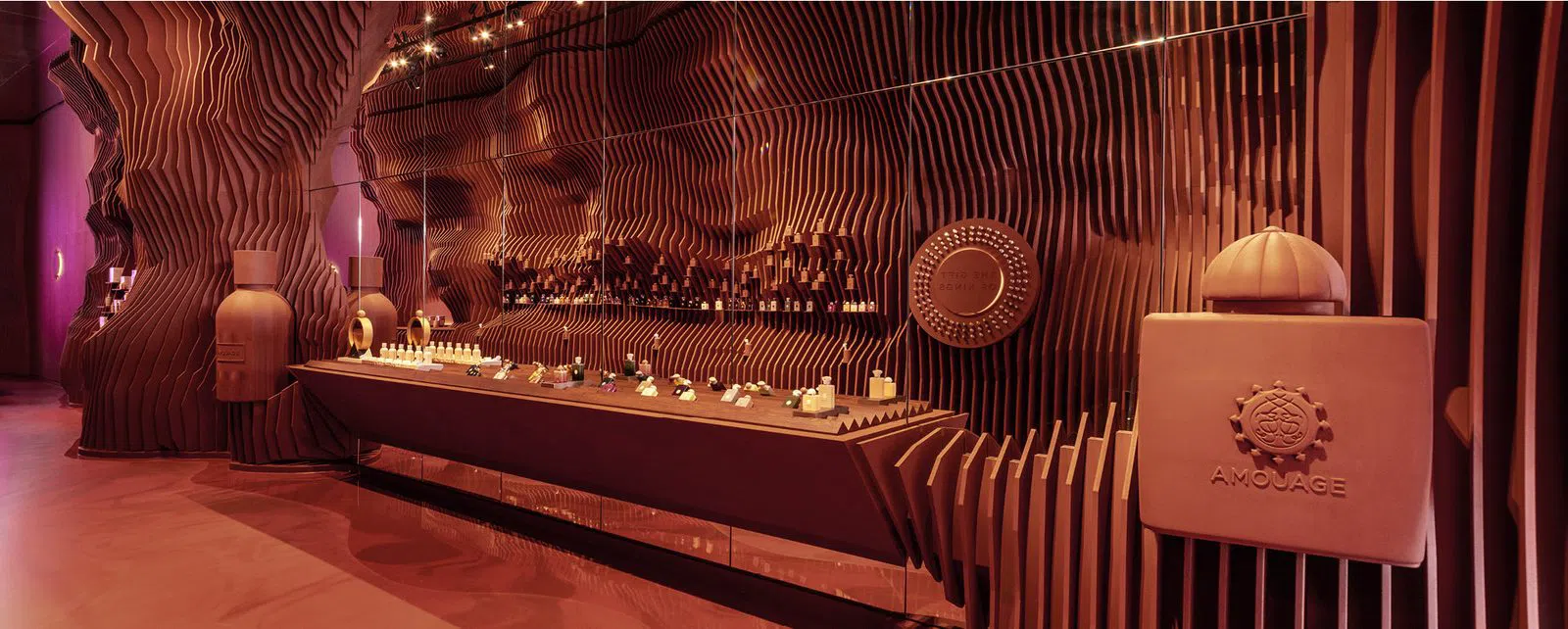
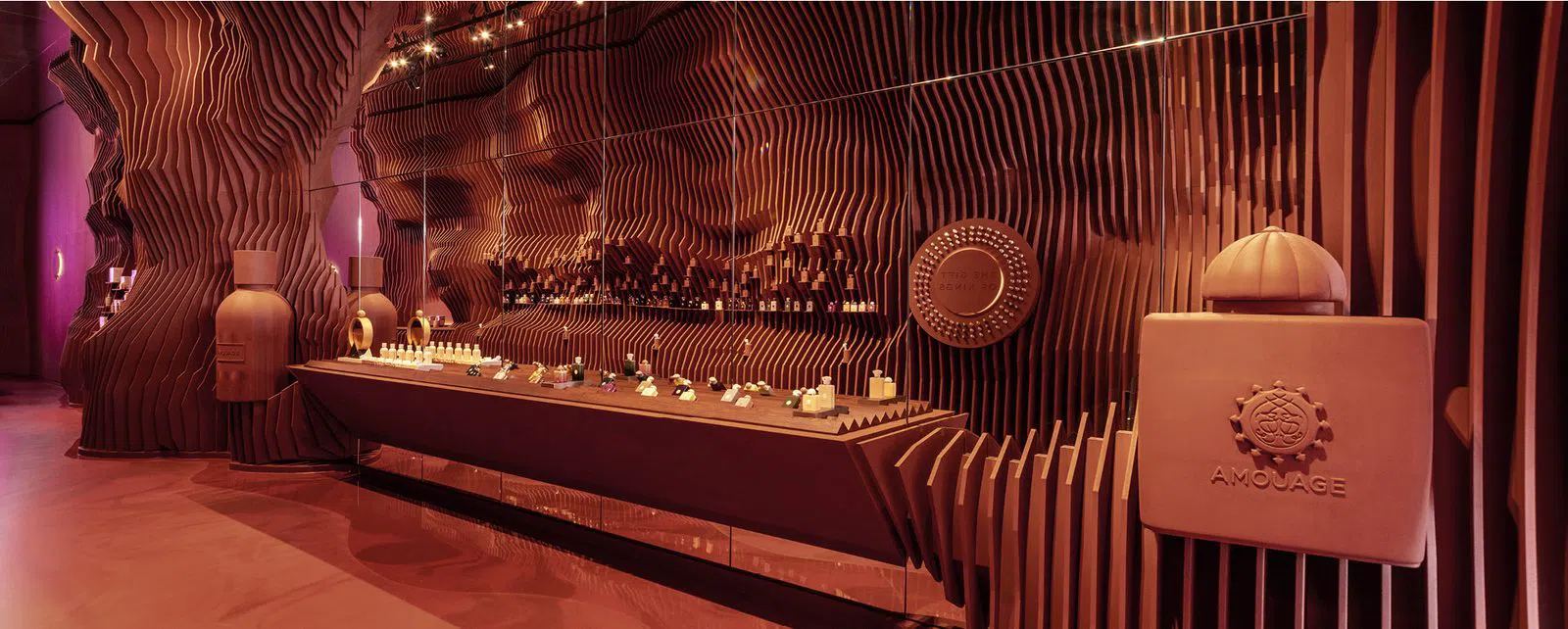
Amouage Manufacture & Visitors' Centre (on the edge of Muscat, near Rusayl) is the definitive stop. Amouage is Oman's own luxury perfume house, built on frankincense, and the factory runs free guided tours of roughly one to two hours that are genuinely educational rather than a thinly disguised sales pitch. The tours are built for groups; book ahead, and note the opening pattern — Sunday to Thursday, closed Friday. Entry is free; the fragrances themselves start around OMR 40 and climb steeply from there, so come for the education and buy only if something truly lands. One clarification that saves confusion: the Amouage counters you'll see in the malls are the same brand, not separate stops, so don't feel you've missed anything by touring the factory instead. This is the single most frankincense-forward experience near the city, and it's free — an easy yes.
At the top of the range, the Essence of Oman luban experience at Barr Al Jissah (Qantab, just south of Muscat) is the most immersive tasting in the region, led by Oman's first accredited frankincense sommelier. It runs for small groups or hotel guests by arrangement, booked through the concierge, and it is priced as the premium resort experience it is. One important booking note for 2026: the Barr Al Jissah resort left its former Shangri-La flag and reflagged under Hilton on 1 January 2026, so it now operates as the Hilton Muscat Al Bandar — confirm the experience is still on the calendar when you book, as reflaggings shuffle programming. It's not a couples-only affair, but its pace and price make it a better fit for a special occasion than a casual afternoon. If you want to understand frankincense the way a sommelier understands wine, this is where you go.
Which one is for you
If you want the cheapest resin and the most atmosphere, Souq Muttrah after 5pm. If you want the same goods without the crowd or the negotiation, Sabco Centre Souk or, for pure ease, Oman Avenues Mall. If you want dependable quality at a fixed price, the Omani Heritage Gallery for the resin and the Omani Craftsmen's House for the burner. If you want to understand it first, the National Museum of Oman or Bait Al Zubair Museum. And if you want the luxury story, the free tour at Amouage or the sommelier-led tasting at Barr Al Jissah. With a spare morning and a car, add Nizwa Souq for the inland hunt.
For where to base yourself between all this, the Muscat hotel search covers everything from the Mutrah Corniche to the Qantab resorts, and the wider Muscat guide fills in the rest of the city.
Practical notes
Getting around. Muscat is spread out along the coast and not built for walking between districts — Old Muscat, Mutrah, Qurum and Ghubra are all separate stops. Taxis are the default; agree the fare before you get in, as most are unmetered. Ride-hailing apps operate and take the negotiation out of it. For Amouage on the city's edge, Barr Al Jissah in Qantab, or a Nizwa day trip, a hired car or a booked driver is the honest answer.
Cash. Carry Omani rial in small notes for the souqs — stallholders in Mutrah and Nizwa deal in cash and small change makes haggling smoother. Museums, malls, the fixed-price galleries and the resort experience take cards.
Timing. Muscat is hot for much of the year; the cooler months from roughly November to March are the comfortable window for wandering the souqs and Old Muscat. Whatever the season, shop the open-air souqs in the early morning or after about 5pm and keep the middle of the day for the air-conditioned museums, malls and galleries. Remember Friday morning is quiet across much of the city, and that Amouage's tours run Sunday to Thursday only.
Budget. A perfectly good bag of everyday luban costs a few rial in the souqs; better white or hojari-grade grains cost more but are worth it for the cleaner burn. A simple mabkhara burner is inexpensive; the museum entries are a couple of rial to around OMR 5; the Amouage tour is free. The Amouage fragrances and the Barr Al Jissah tasting are the two places where the numbers climb — treat those as considered splurges, not impulse buys, and you'll come home with the scent of the whole trade for very little.
Before you go
Where is the best place to buy frankincense in Muscat?
For the cheapest resin and most atmosphere, Souq Muttrah on the Mutrah Corniche, where bags start around OMR 1–5 and haggling is expected. If you'd rather not negotiate, the non-profit Omani Heritage Gallery in Qurum sells dependable, fixed-price luban, and Oman Avenues Mall is the easy, air-conditioned option.
How much does frankincense cost in Muscat?
An everyday bag of luban costs just a few rial in the souqs — roughly OMR 1–5 depending on grade and size. Better white or hojari-grade grains cost more. A simple mabkhara burner is inexpensive; the top end is Amouage's fragrances (from around OMR 40) and the resort tasting at Barr Al Jissah.
Can you tour the Amouage perfume factory?
Yes. The Amouage Manufacture & Visitors' Centre on the edge of Muscat runs free guided tours of about one to two hours, built for groups. Book ahead, and note it opens Sunday to Thursday and is closed Friday. Entry is free; the fragrances themselves start around OMR 40.
How do I tell good frankincense from cheap frankincense?
Judge by colour. White or translucent grains burn cleaner and smell brighter, and are worth more than the cheaper greyish resin. In Souq Muttrah, seek out the three-generation attar shop near the entrance, where the family will explain the grades rather than just sell you the first bag.
Is Nizwa worth the trip from Muscat for frankincense?
If you have a spare morning and a car, yes. Nizwa Souq is about a 90-minute drive inland — a day trip rather than a city stop — but its restored, fort-side souk is spacious, the resin costs a few rial, and the bargaining is lighter than on the coast. On Fridays the goat market fills the parking early, so arrive before 8am.