
Muscat
Muscat does not shout.
Guests & rooms
The Muscat guide
An insider’s read on Muscat
MMuscat does not shout.
Muscat's identity is defined by the sea and its historic role as a trading hub linking East Africa, India, and the Arabian Peninsula. This maritime legacy is visible in its diverse population, its spiced cuisine, and the defensive Portuguese forts guarding the natural harbor. Under the late Sultan Qaboos bin Said, the city modernized thoughtfully, preserving its heritage while building world-class cultural institutions.

PLATE IMuscat, Oman

Guides & ideas
The Muscat reading list
Hand-written guides from our editors — itineraries, the best of after dark, where to eat, and what’s genuinely worth your time.
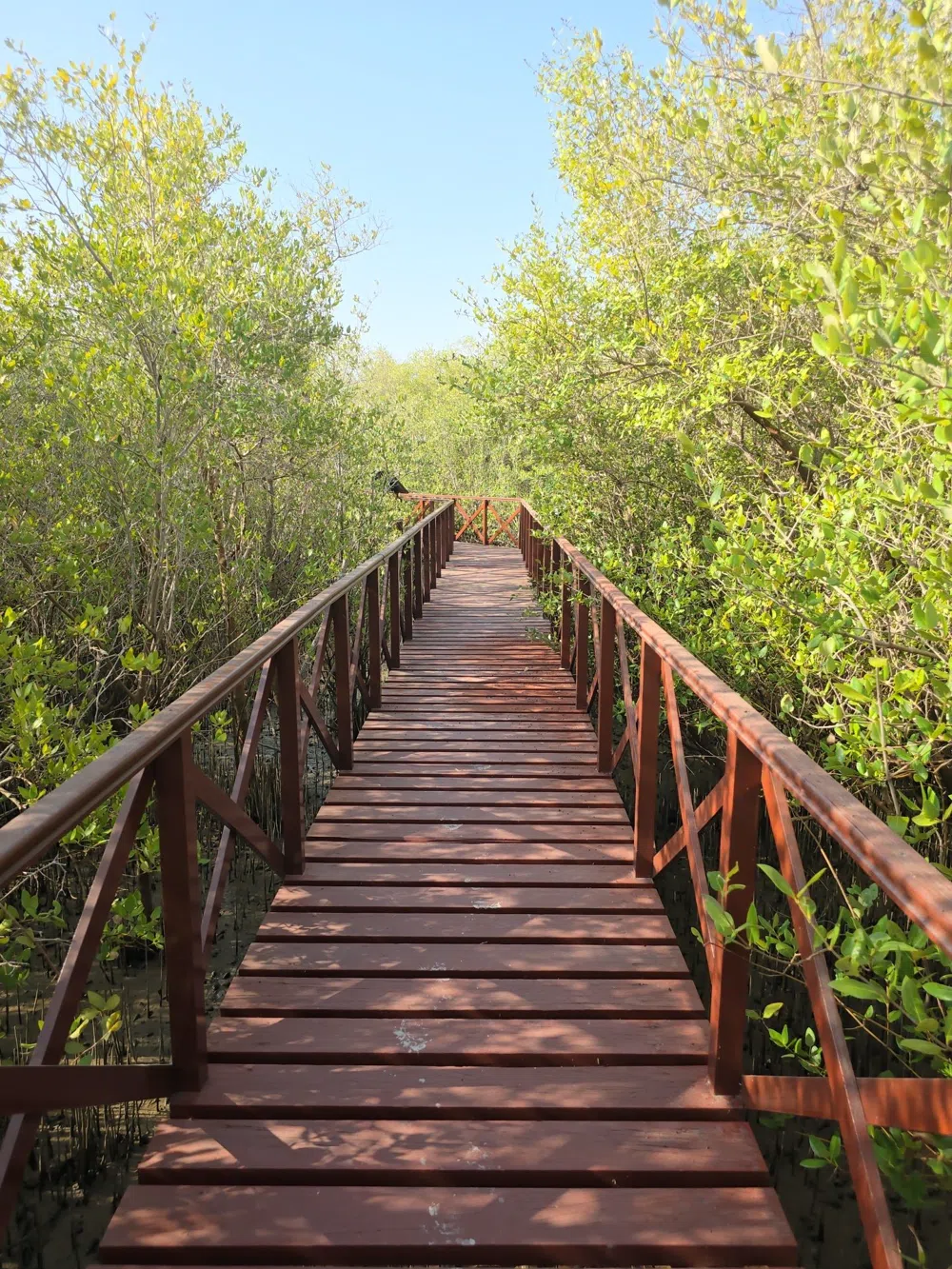
How to Spend a Day on the Daymaniyat Islands from Muscat
Permits, crossing times, prices and the right boat for your group: what to sort out before a Daymaniyat Islands day trip gets on the water.
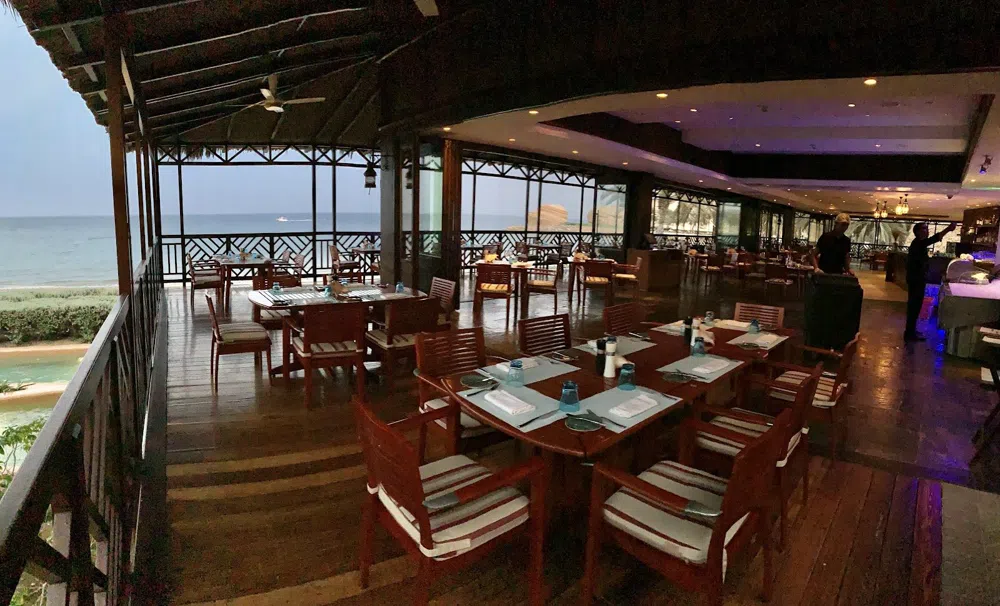
Muscat Seafood Suppers and the Coffee That Follows
Where to eat grilled fish in Muscat for OMR 8 and for OMR 70, and which roasteries to drive to afterwards.
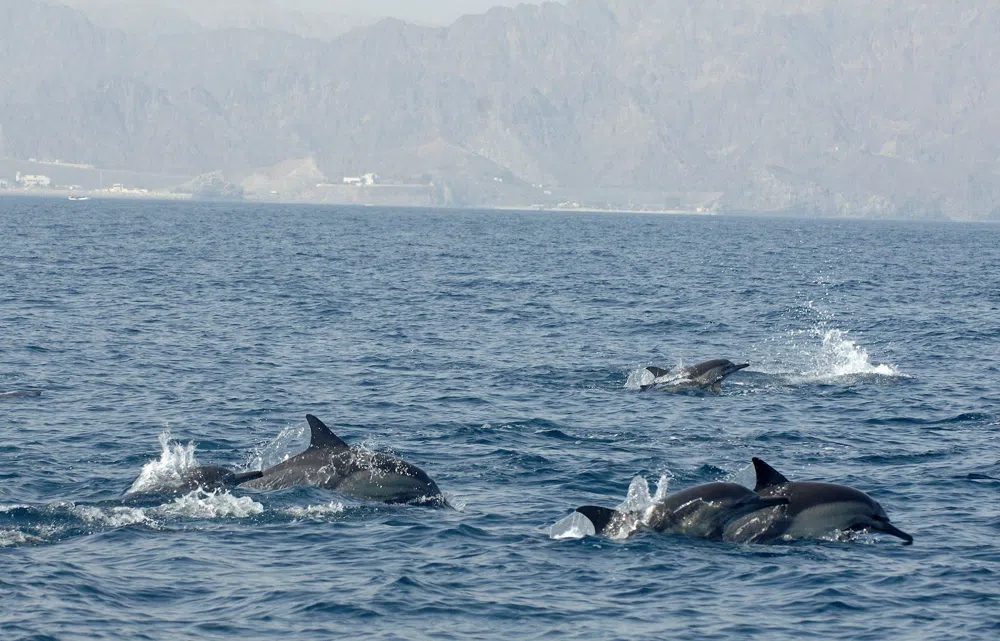
Muscat's Working Dhows Have Found a Second Life at Sea
Once built to carry cargo across the Arabian Sea, Muscat's dhows now run sunset cruises, dolphin tours, a floating café and even overnight camping trips. Here's how to pick the right one in 2026.
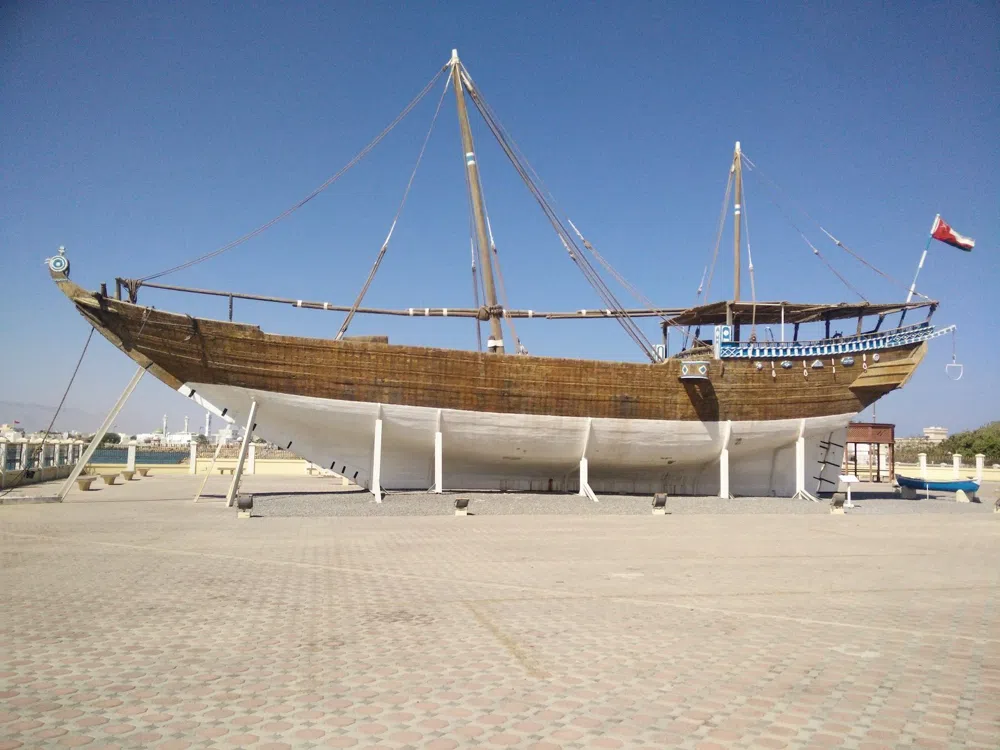
Tracing Sur's Last Wooden Shipyards From Muscat
A day trip down Oman's coast road to the last families still hand-building dhows without a blueprint, plus the sinkhole, canyon and forts on the way there.
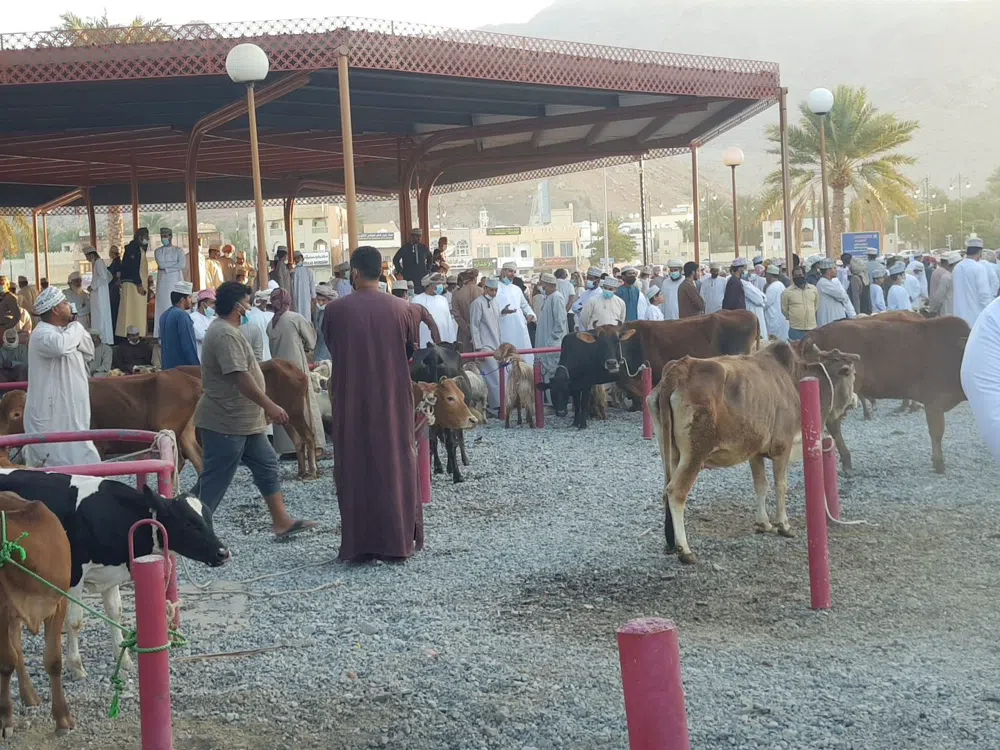
Dawn at Nizwa: Muscat's Real Friday Livestock Market
The Friday cattle auction everyone searches for near Muscat isn't in the city at all — it's ninety minutes down the road in Nizwa, and this is exactly how to time it, book it, and pair it in 2026.
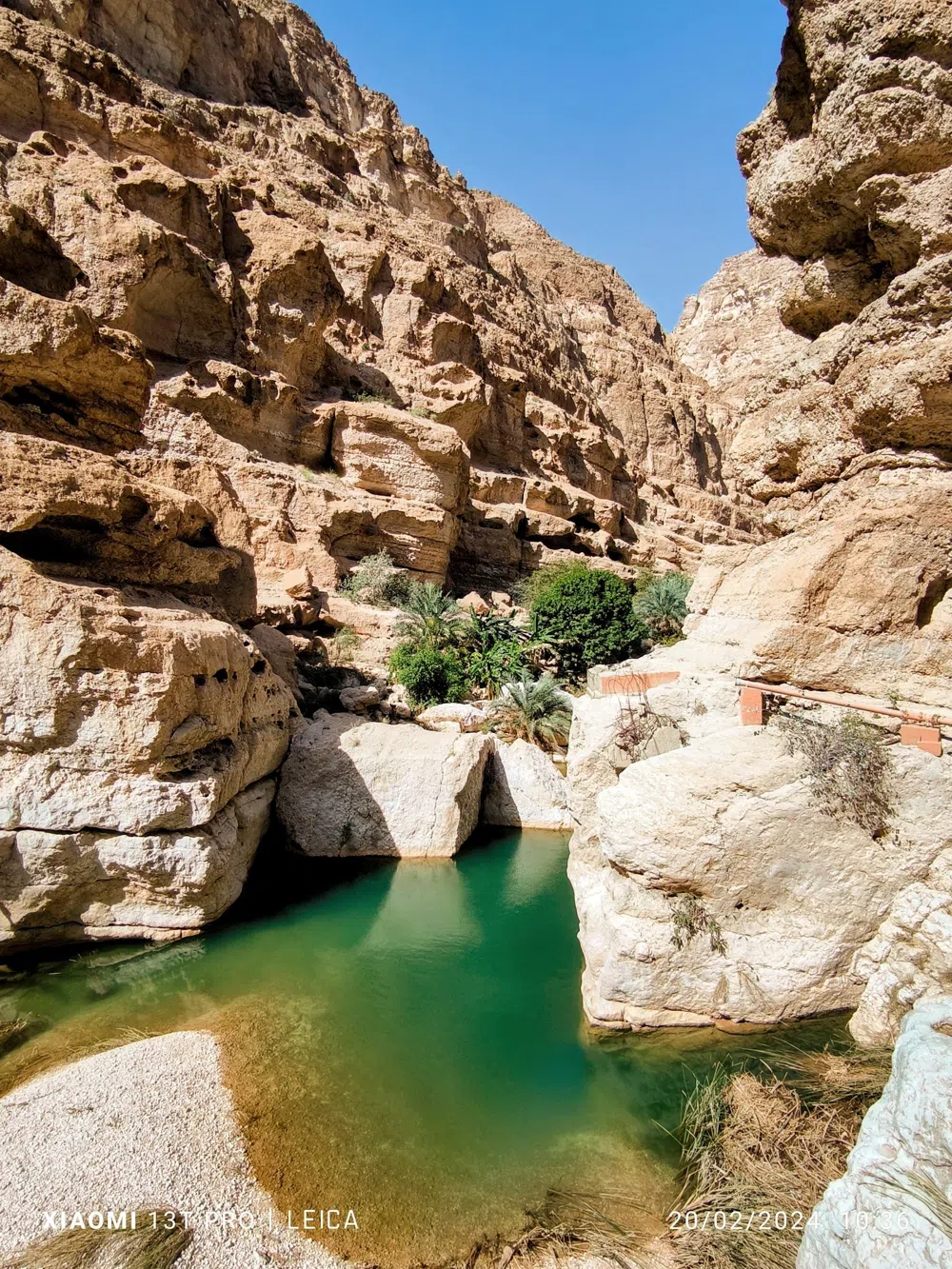
The wadi-and-sinkhole circuit: a cool-water counterpoint to Muscat's desert heat
Eleven cold-water stops between the coast road and the inland Sharqiyah, graded honestly by who they actually suit — coach groups, small parties, or a booked guide only.
Where to base yourself
The neighborhoods
01
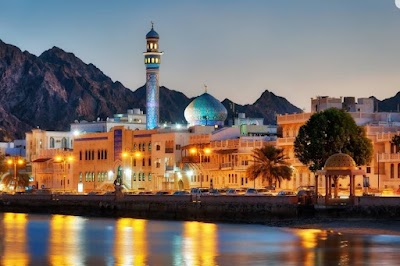
Mutrah
For History lovers and those seeking traditional atmosphere. The trade-off is heavy traffic and crowds when cruise ships dock.
The historic heart of Muscat, defined by a sweeping waterfront corniche, traditional trading ports, and a labyrinthine market.
Where to stay — Simple, budget-friendly hotels and traditional guesthouses near the waterfront.
02
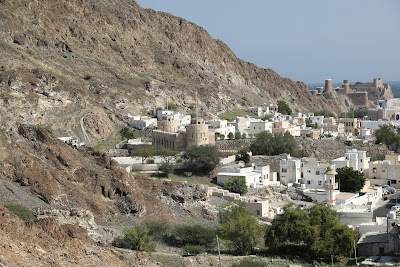
Old Muscat
For Sightseers and architecture enthusiasts. The trade-off is a complete lack of dining, shopping, or nightlife options.
The quiet, manicured ceremonial district housing government offices and royal palaces, surrounded by defensive walls.
Where to stay — There are virtually no lodging options here; it is best visited as a half-day trip.
03
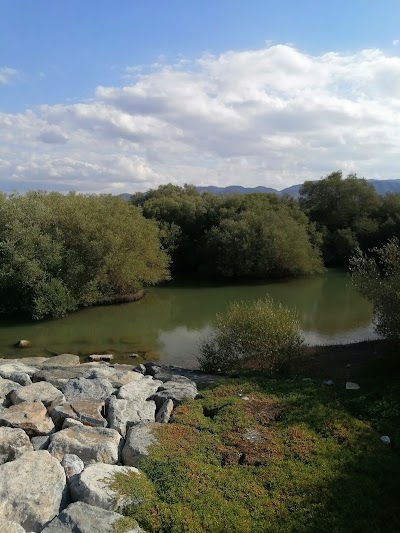
Al Qurum
For Beach lovers and foodies who want a central location. The trade-off is higher accommodation costs and evening traffic.
An upscale, lively coastal district known for its long sandy beach, manicured parks, and trendy cafe culture.
Where to stay — Mid-range and luxury international chain hotels with beach access.
04
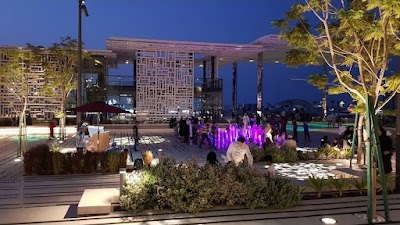
Al Mouj
For Families and travelers seeking convenience, manicured surroundings, and western amenities. The trade-off is a lack of historic character.
A modern, pedestrian-friendly marina development filled with upscale apartments, yachts, and international restaurants.
Where to stay — High-end luxury resorts and serviced apartments.
05
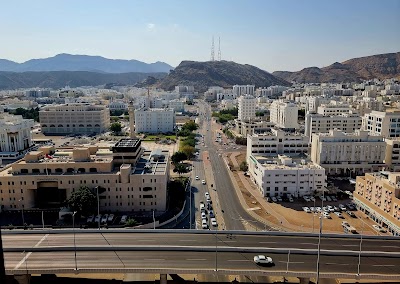
Ruwi
For Budget travelers and foodies seeking authentic regional Indian cuisine. The trade-off is noise, heavy traffic, and a lack of green spaces.
Muscat's commercial hub, often called 'Little India' due to its dense streets, gold shops, and South Asian businesses.
Where to stay — No-frills business hotels and budget apartments.
06
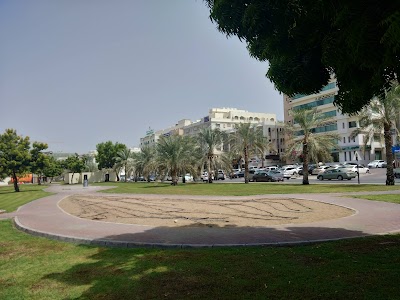
Al Khuwair
For Business travelers and mid-range tourists looking for a practical base. The trade-off is a generic, car-centric aesthetic.
A bustling commercial and residential district centrally located along the main highway, filled with shops and dining spots.
Where to stay — Excellent selection of mid-range international business hotels.
Book direct
Book a hotel in Muscat
Loading live availability and real-time prices…
Where to eat
Dining
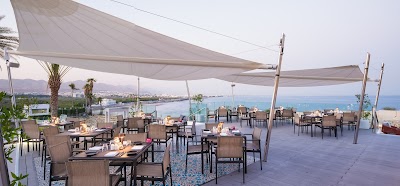
The Edge
€€€€Al Qurum
Offers cliffside dining with panoramic views of the Gulf of Oman and a focus on fresh, simply prepared catch.
Signature — Grilled Omani lobster
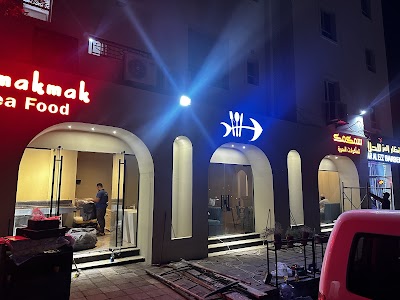
Samakmak
€€Al Seeb
A casual, local favorite where you select your fish from the ice display and choose your cooking style.
Signature — Charcoal-grilled hammour with garlic and lemon
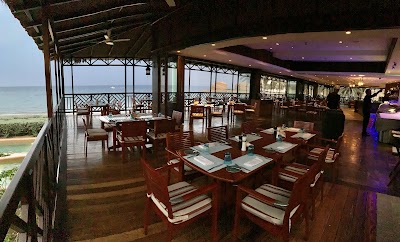
Bait Al Bahr
€€€€Barr Al Jissah
High-end beachfront dining tucked between cliffs, perfect for a romantic evening.
Signature — Seafood platter with local kingfish and tiger prawns
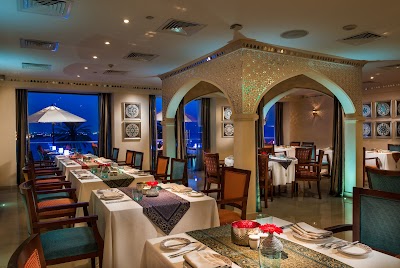
Shiraz
€€€Al Qurum
Authentic Persian grills served in a refined setting overlooking the gardens of the Crowne Plaza.
Signature — Kabab Koobideh
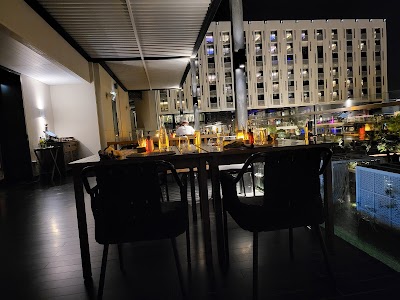
Char
€€€€Shatti Al Qurum
A stylish, modern steakhouse with premium cuts, creative side dishes, and an outdoor terrace.
Signature — Dry-aged Tomahawk steak
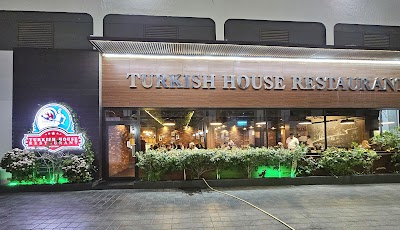
Turkish House Restaurant
€€Al Khuwair
A legendary local institution famous for its generous portions of grilled meats and fresh, hot balloon bread.
Signature — Mixed grill platter
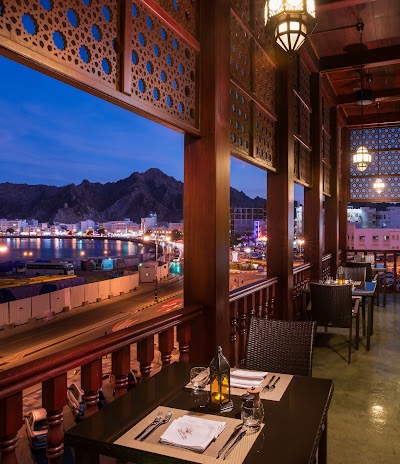
Bait Al Luban
€€€Mutrah
The premier destination for elevated, authentic Omani cuisine in a beautifully restored heritage building overlooking the harbor.
Signature — Shuwa (slow-roasted marinated lamb cooked in an underground oven)
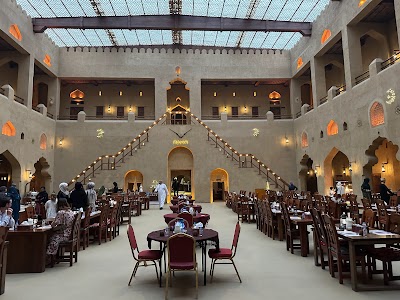
Rozna
€€€Al Khuwair
Built to resemble a traditional Omani mud fort, offering dramatic architecture and classic local dishes.
Signature — Qabili Laham (spiced rice with lamb)
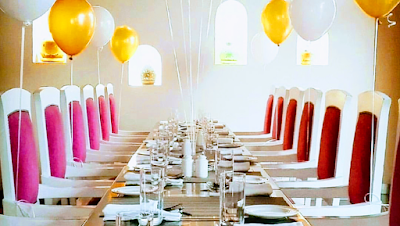
Ubhar
€€€Shatti Al Qurum
A modern, chic take on traditional Omani flavors and desserts in a contemporary setting.
Signature — Frankincense ice cream
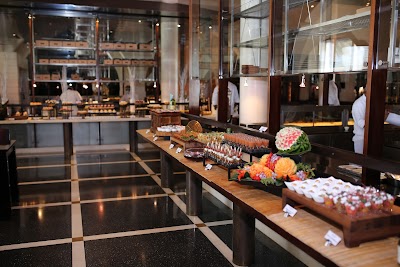
The Restaurant at The Chedi Muscat
€€€€Al Ghubrah
Stunning design featuring high ceilings, Asian-inspired decor, and four open show kitchens.
Signature — Seared Wagyu beef with truffle jus
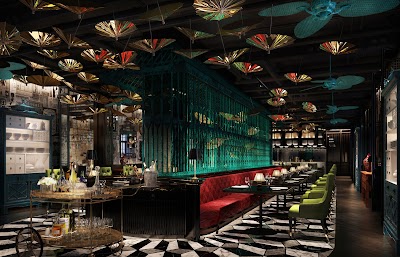
Ba Ban
€€€€Shatti Al Qurum
A glamorous, design-forward space serving sophisticated Chinese cuisine inspired by 1930s Shanghai.
Signature — Peking duck
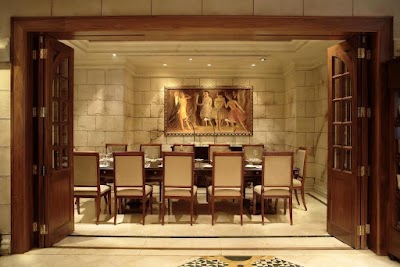
Tuscany
€€€€Shatti Al Qurum
Classic, formal Italian dining with a reputation for excellent handmade pastas and regional wines.
Signature — Lobster ravioli
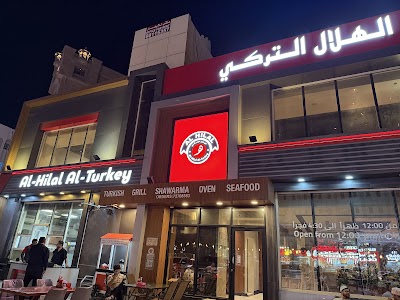
Al Hilal Restaurant
€Ruwi
Unpretentious spot famous for its cheap and delicious South Indian breakfasts.
Signature — Masala dosa with sambar
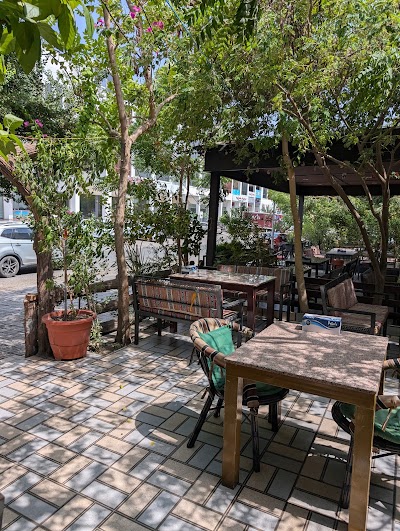
Baba Salem
€Al Qurum
Popular roadside joint serving excellent Turkish shawarmas and flatbreads late into the night.
Signature — Chicken shawarma wrap
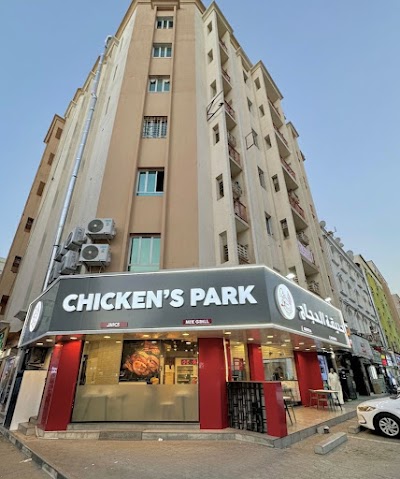
Fast Food n Juice Centre
€Mutrah
Located right on the Corniche, perfect for a quick, cheap bite and fresh fruit juices.
Signature — Falafel sandwich
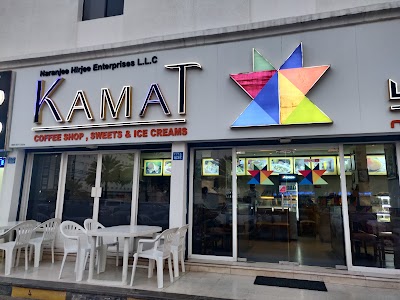
Kamath Restaurant
€Ruwi
A clean, busy spot popular with locals for its extensive North and South Indian vegetarian menu.
Signature — Thali platter
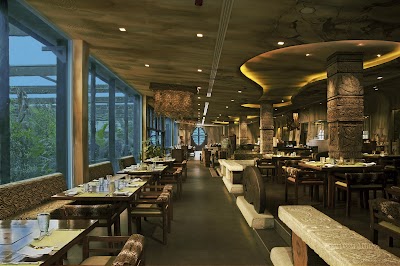
The Jungle
€€Al Qurum
A themed restaurant set in a lush, indoor rainforest environment with a solid selection of vegetarian dishes.
Signature — Vegetable Jalfrezi
After dark
Nightlife
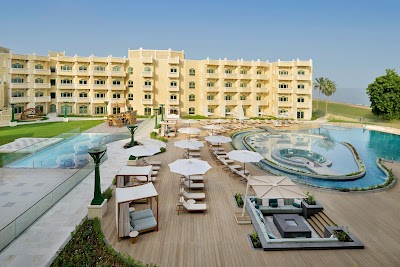
Copacabana
Shatti Al Qurum
A long-running club playing a mix of Arabic, Latin, and international hits.
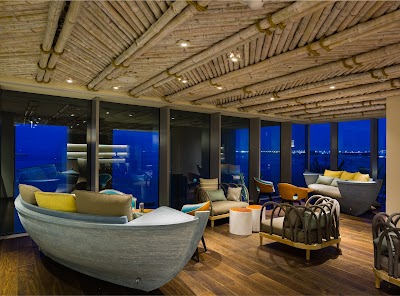
Zale Beach Club & Lounge
Al Mouj
Beachfront clubbing with outdoor seating, resident DJs, and a stylish coastal atmosphere.
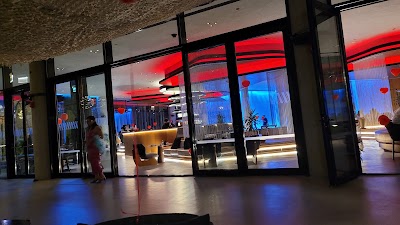
Siddharta Lounge by Buddha-Bar
Shatti Al Qurum
Stunning rooftop pool bar with panoramic views of the Gulf and excellent mixology.
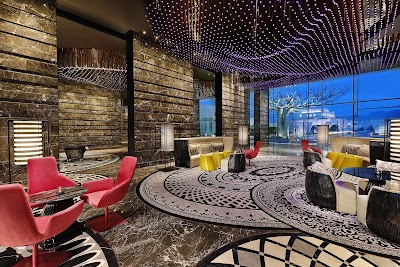
The Long Bar
Al Ghubrah
Minimalist, elegant bar boasting an impressive selection of premium spirits and wines.
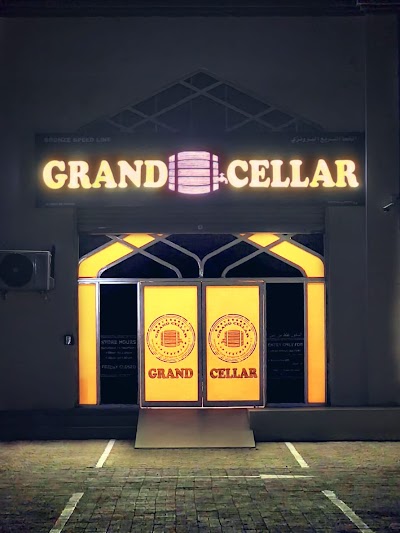
The Cellar
Shatti Al Qurum
A cozy, European-style wine bar offering a relaxed environment for conversation.
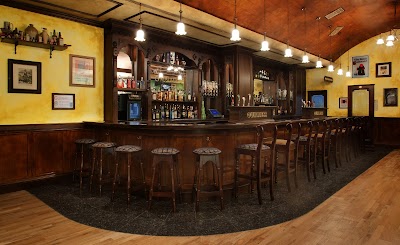
O'Malley's Irish Pub
Al Khuwair
A traditional Irish pub hosting live bands and lively pub quizzes.
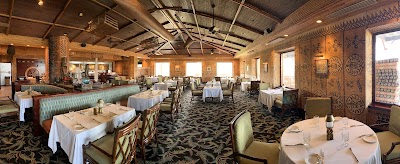
Trader Vic's
InterContinental Muscat
Famous Polynesian-themed venue with a live Latino band and signature cocktails.
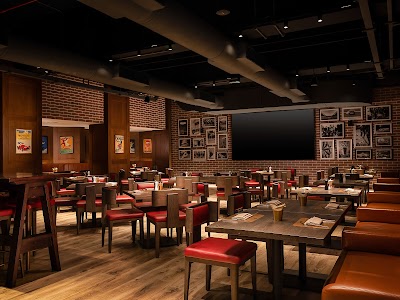
Duke's Bar
Al Qurum
English-style pub with an outdoor terrace offering spectacular sunset views and acoustic live music.
Art & history
Culture
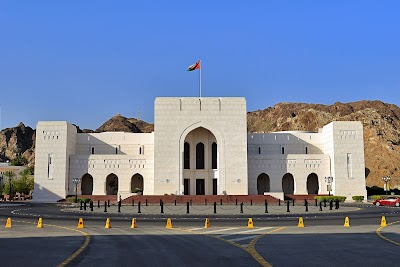
The National Museum of Oman
Old Muscat
The country's flagship cultural institution, housing beautifully displayed artifacts from prehistoric times to the modern era.
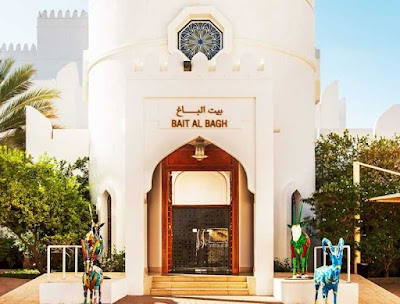
Bait Al Zubair
Mutrah
A privately owned museum in a restored traditional townhouse, showcasing Omani daggers (khanjars), costumes, and historic photographs.
Ghalya's Museum of Modern Art
Mutrah
A unique museum showing how a typical Omani family lived between 1950 and 1975, just before the dawn of the modern Renaissance.
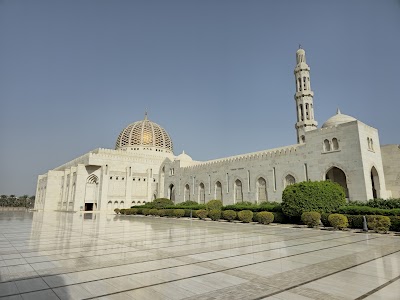
Sultan Qaboos Grand Mosque
Al Ghubrah
A masterpiece of modern Islamic architecture, featuring a massive hand-woven Persian carpet and a spectacular Swarovski crystal chandelier.
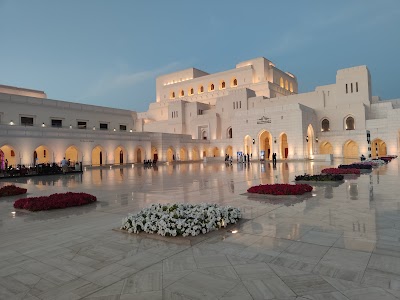
Royal Opera House Muscat
Shatti Al Qurum
A stunning fusion of Omani heritage and Italian marble, hosting world-class opera, ballet, and musical performances.
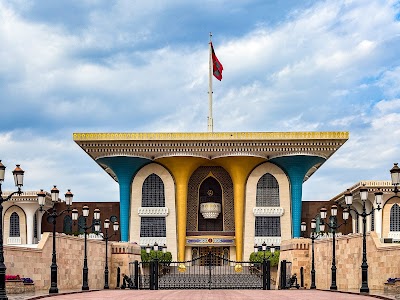
Al Alam Palace
Old Muscat
The ceremonial palace of the Sultan, famous for its distinctive blue and gold flared pillars.
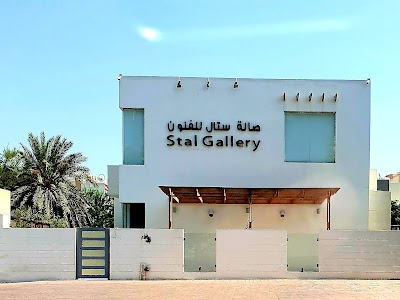
Stal Gallery
Madinat Al Sultan Qaboos
A modern, minimalist space dedicated to promoting contemporary Omani visual artists and hosting workshops.
Book ahead
Top-rated experiences in Muscat

Private Tour to Wadi Bani Khalid & Wahiba Sand Desert with Sunset
from $190

Private Full-Day Wadi Shab Adventure and Bimmah Sinkhole Tour
from $215

Private Full-Day Wadi Shab and Bimmah Sinkhole Tour
from $165

Nizwa Fort-Nizwa Souq-Birkat Al Mouz-Jebel Akhdar - Private Full Day Tour
from $199

Private Historical Tour - Nizwa Fort - Nizwa Souq - Bahla Fort - Jabreen Castle
from $202

Mountains & Fortresses – Private Day Tour to Nizwa & Jebel Akhdar
from $185

Private Wadi Shab and Bimmah Sinkhole Full-Day Adventure
from $170

5 Days and 4 Nights Private Roundtrip Tours from Muscat
from $1780
Prices from Viator; we may earn a commission when you book — at no extra cost to you. Tours are sold and operated by Viator, the merchant of record. Ratings are collected by Viator and Tripadvisor.
Timing
When to visit
Winter
From November to February, temperatures range from 20°C to 28°C. This is peak tourist season, ideal for exploring souqs, hiking wadis, and beach trips.
Spring
March and April are warm but manageable. This is the best time to see the damask roses bloom on the nearby Jebel Akhdar mountains.
Summer
From May to September, temperatures regularly exceed 40°C with high humidity. Outdoor activity is impossible during the day; the city retreats indoors.
Autumn
October is a transitional month. The extreme heat begins to break, and the sea remains warm enough for swimming.
What it costs
Budgeting
Logistics
Getting around
From the airport
Muscat International Airport is connected to the city via Mwasalat buses running to Ruwi. Taxis are available outside the terminal, but using the Otaxi app is highly recommended for fair, metered pricing.
Public transit
Public transit is limited. Mwasalat operates clean, air-conditioned buses along the main Sultan Qaboos Highway, but they do not reach many residential or tourist spots.
Passes & tickets
There are no integrated tourist transit passes. Pay-as-you-go via the Mwasalat app or cash on buses is the standard.
On foot
Muscat is not a walkable city. It is highly car-dependent, sprawling over 50 kilometers. Pockets like the Mutrah Corniche or Al Mouj marina are walkable, but traveling between districts requires a vehicle.
Travel smart
Safety & etiquette
Local etiquette
- •Dress modestly in public: both men and women should cover their shoulders and knees. Swimwear is strictly for hotel pools and private beaches.
- •Always ask permission before taking photos of local people, especially Omani women.
- •During Ramadan, do not eat, drink, or smoke in public during daylight hours.
- •Avoid showing public displays of affection, as this is considered highly disrespectful.
From the ground
Practical tips
1
Rent a car directly at the airport; public transit is too limited to see the city's spread-out attractions efficiently.
2
Buy a local SIM card (Ooredoo or Omantel) at the airport for cheap data, which is essential for navigation and using ride-hailing apps.
3
Visit the Sultan Qaboos Grand Mosque early in the morning (between 8:30 AM and 11:00 AM) as it is closed to non-Muslims after these hours and on Fridays.
4
Always carry cash when visiting traditional souqs like Mutrah, as smaller vendors often do not accept credit cards.
5
When bargaining at Mutrah Souq, aim for about 20-30% off the initial asking price, but keep the interaction polite and friendly.
6
Pack a light jacket or pashmina even in summer, as indoor air conditioning in malls and hotels is notoriously freezing.
7
Avoid visiting during the peak summer months (June to August) unless you plan to spend your entire trip indoors, as temperatures regularly exceed 45°C.
Muscat FAQs
Do I need a 4WD to explore Muscat?
No, a standard sedan is perfectly fine for driving within Muscat and to major nearby cities like Nizwa. However, a 4WD is legally required to drive up Jebel Akhdar and necessary if you plan to drive into the desert dunes of Wahiba Sands.
Is alcohol available in Muscat?
Yes, but only in licensed venues. You can purchase and consume alcohol in high-end hotel bars, clubs, and restaurants, but it is not sold in supermarkets and public consumption is illegal.
What is the dress code for visiting the Grand Mosque?
Both men and women must wear conservative clothing that covers ankles and wrists. Women must also completely cover their hair with a scarf. Tight or transparent clothing is not permitted.
Can I use ride-hailing apps in Muscat?
Yes, apps like Otaxi and Tasleem are widely used and offer metered, regulated rates. They are much cheaper and more reliable than hailing a regular street taxi.
Is tap water safe to drink in Muscat?
Yes, tap water is generally safe for brushing teeth and washing, but most locals and tourists prefer bottled or filtered water due to the desalinated taste.