
Sur sits where Oman's coast bends south into the Arabian Sea, and for close to a thousand years its shipwrights have shaped dhows here without a drawn plan, just eye, memory and timber, passed down inside a handful of families. The coast road from Muscat takes just under two hours, running past a sinkhole, a canyon and a mausoleum before it drops you at a working shipyard where men are still bending ocean-going hulls by hand. Treat it as a full day: leave Muscat by 7am, and you're back for dinner.
The Coast Road Out of Muscat
The Muscat guide covers the capital in full; this trip is about leaving it on Route 17, the coast highway that tracks the Gulf of Oman down toward Sur. It's a well-surfaced dual carriageway almost the whole way, and the stops along it are worth building real time around rather than treating as a straight-through drive.
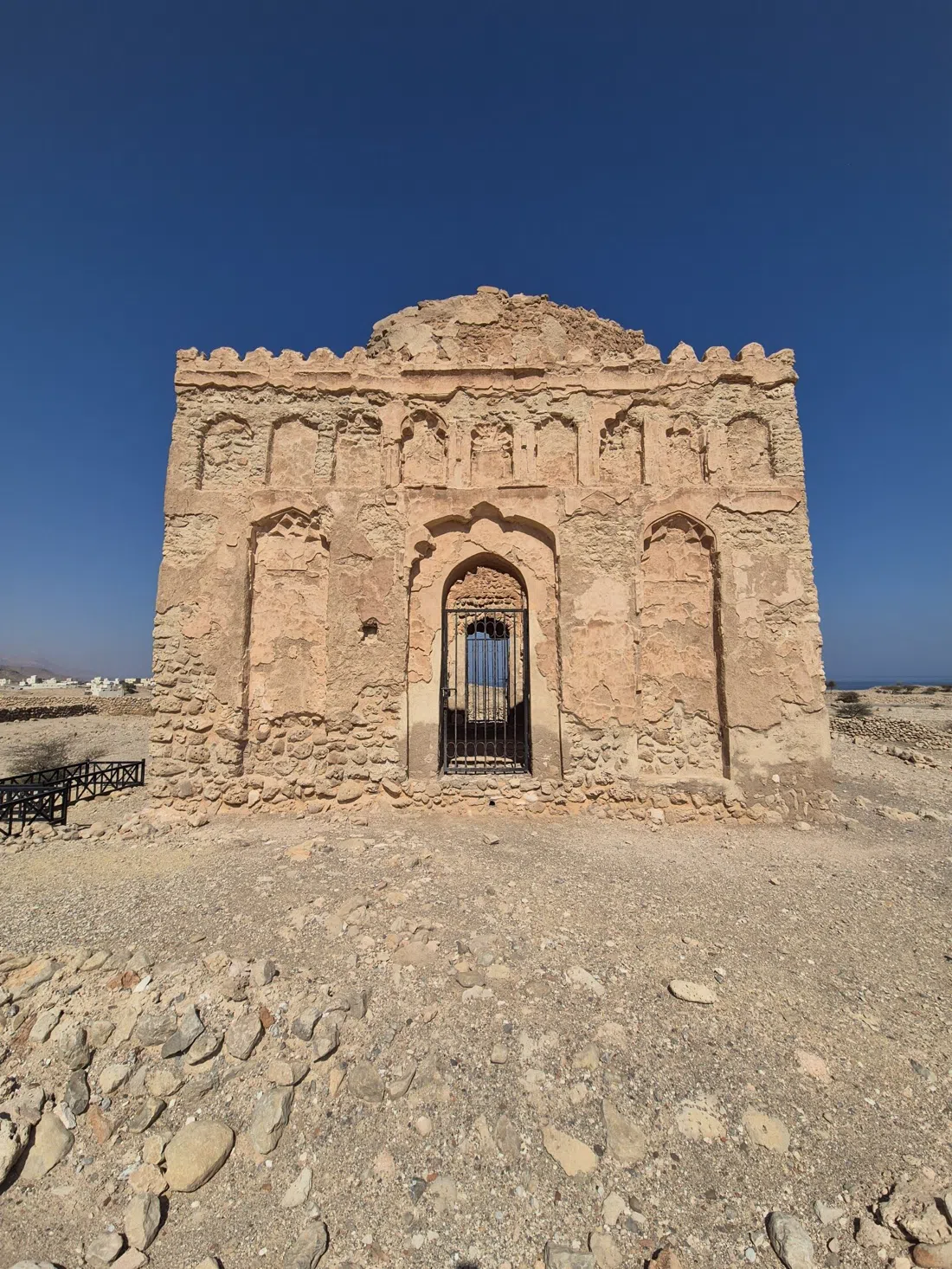
About ninety minutes in, the Ancient City of Qalhat (Bibi Maryam Mausoleum) appears above the road on the right, a fluted stone dome visible from the car park. The excavation area behind it is fenced off and closed to entry, so this is a five-minute photo stop, not a site visit. It's worth the pause regardless: Qalhat was a major Indian Ocean trading port centuries before Sur's dhow yards existed, so the view from the car park reaches back further than anything you'll see in Sur itself.
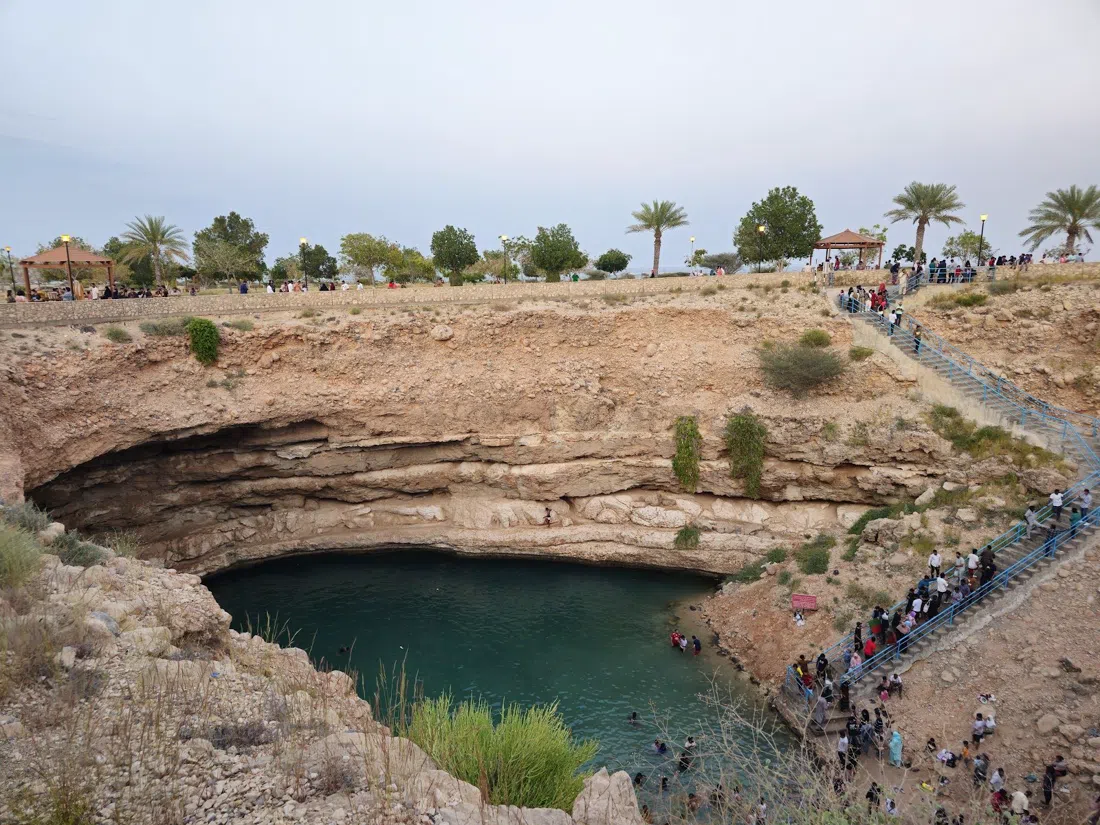
Twenty minutes further, Bimmah Sinkhole (Hawiyat Najm Park) is the drive's easiest stop, a collapsed limestone crater filled with turquoise water, steps down to a shaded platform, entry OMR 0.5. Go before 9am if you want it quiet; tour buses land here mid-morning and it fills fast. Twenty minutes covers it if you don't swim, an hour if you do.
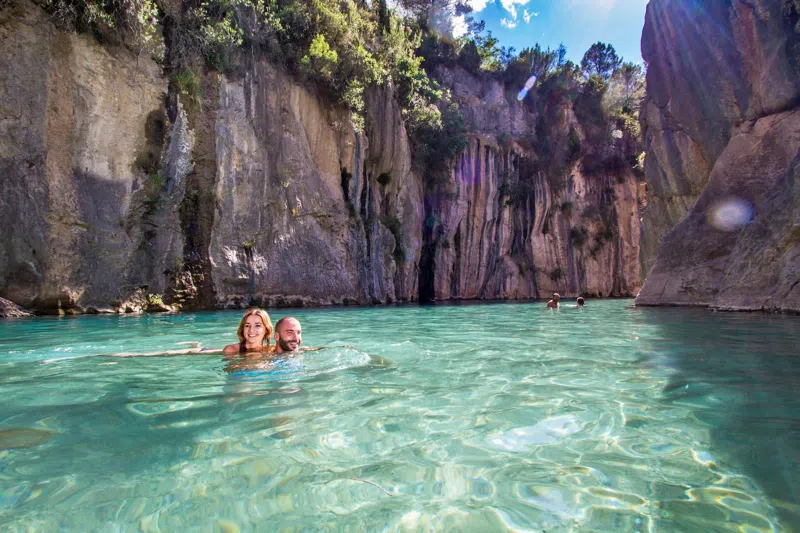
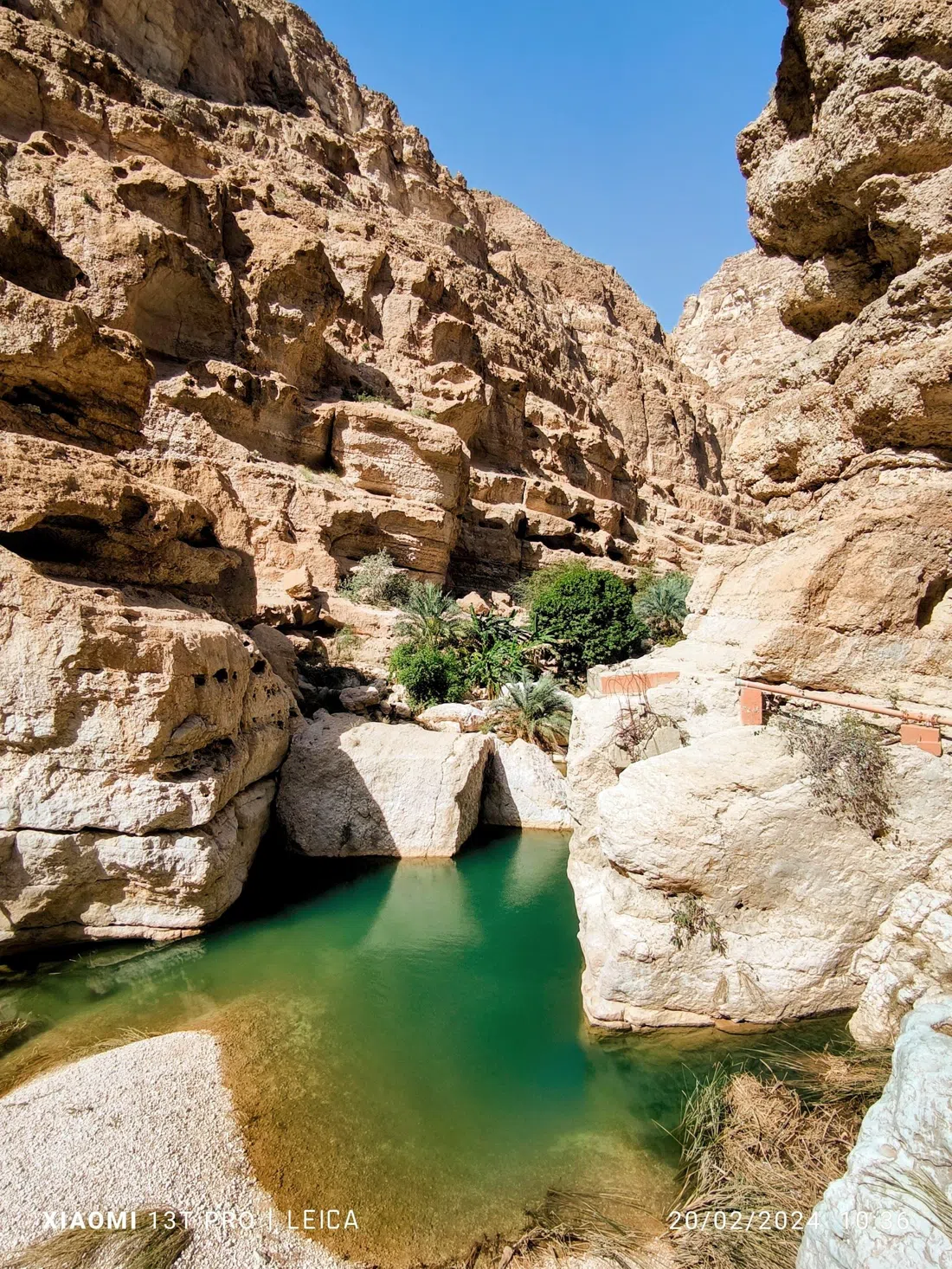
Wadi Shab, roughly an hour outside Sur, is the detour worth planning extra time around rather than squeezing in on the way past. The walk-in follows a stream past a small boat crossing (500 baisa, cash only, no cards accepted at the crossing) to a canyon pool you reach by swimming through a narrow gap in the rock. Entry is OMR 1. It's a genuine walk, not a stroll (closed shoes to the water's edge, then bare feet or water shoes for the swim), so it suits a fit, briefed group rather than anyone expecting a five-minute look. Budget two hours round trip, and go in the morning; the walk-in has little shade and Oman's coast gets brutal by midday for most of the year.
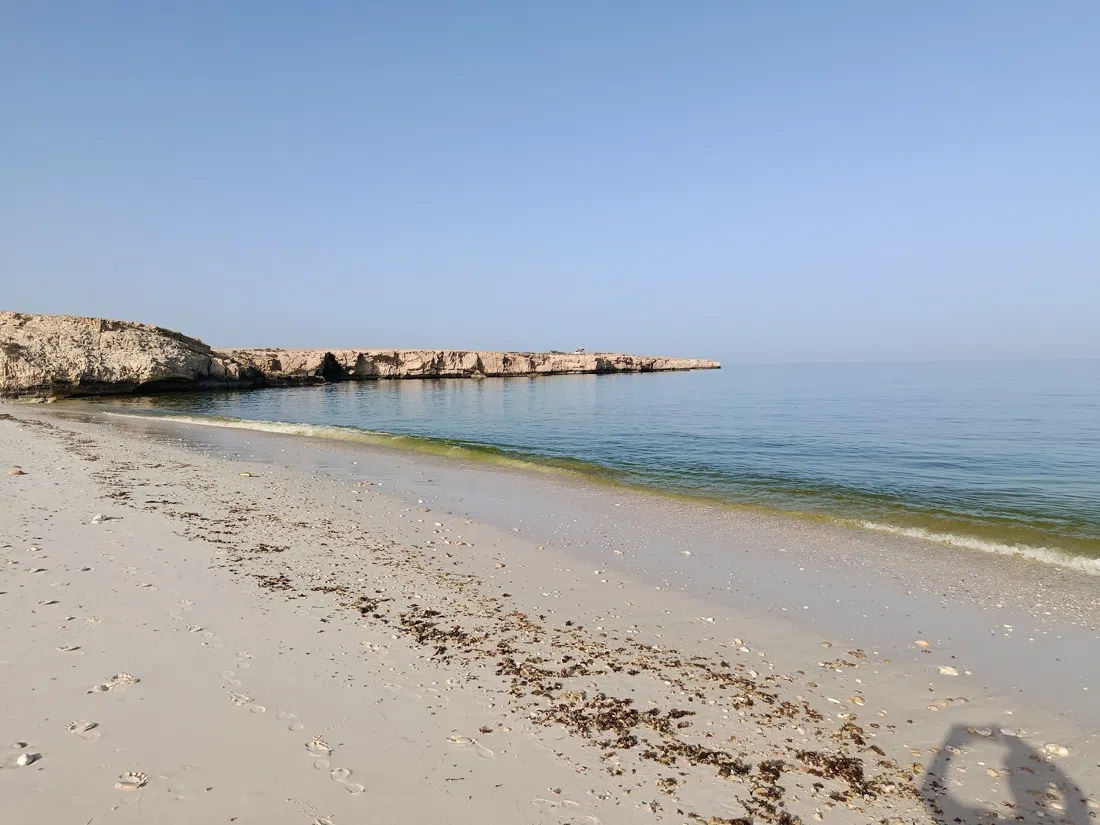
Fins Beach, back on the coast road, is the plain alternative for readers who'd rather stand on open sand than pay to swim through a canyon. It's free, unstructured, and empty enough most mornings that a group of any size won't crowd it. No facilities, no kiosk, just raw coastline, which makes it a good pacing beat before the day gets busier in Sur itself.
Sur's Working Shipyard and the Museum Beside It
Sur town splits around a lagoon, with the dhow yards sitting on the harbour side. Al Qanjah Boat Yard is the reason for the whole trip: an informal, walk-in yard where shipwrights still hand-build ocean-going wooden vessels without blueprints, working from measurements carried in memory and handed down through the family rather than drawn on paper. There's no tour desk and no ticket booth. A donation box near the entrance is the honesty system, and OMR 1-2 is the norm. Keep any group small and the visit quiet. This is a working yard with real deadlines, not a demonstration staged for tourists, and the men steam-bending planks and shaping hulls by eye are getting on with actual jobs. Go mid-morning on a weekday, when work is properly underway; the yard often quiets through the worst of the midday heat.
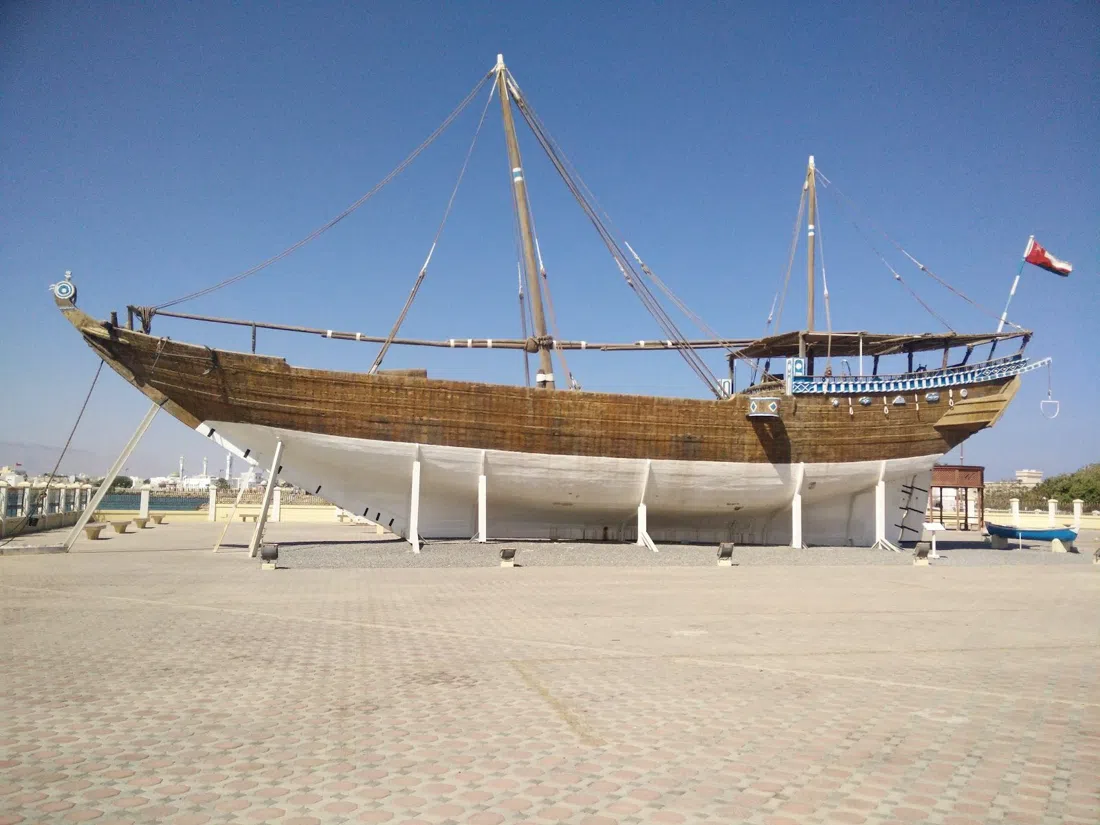
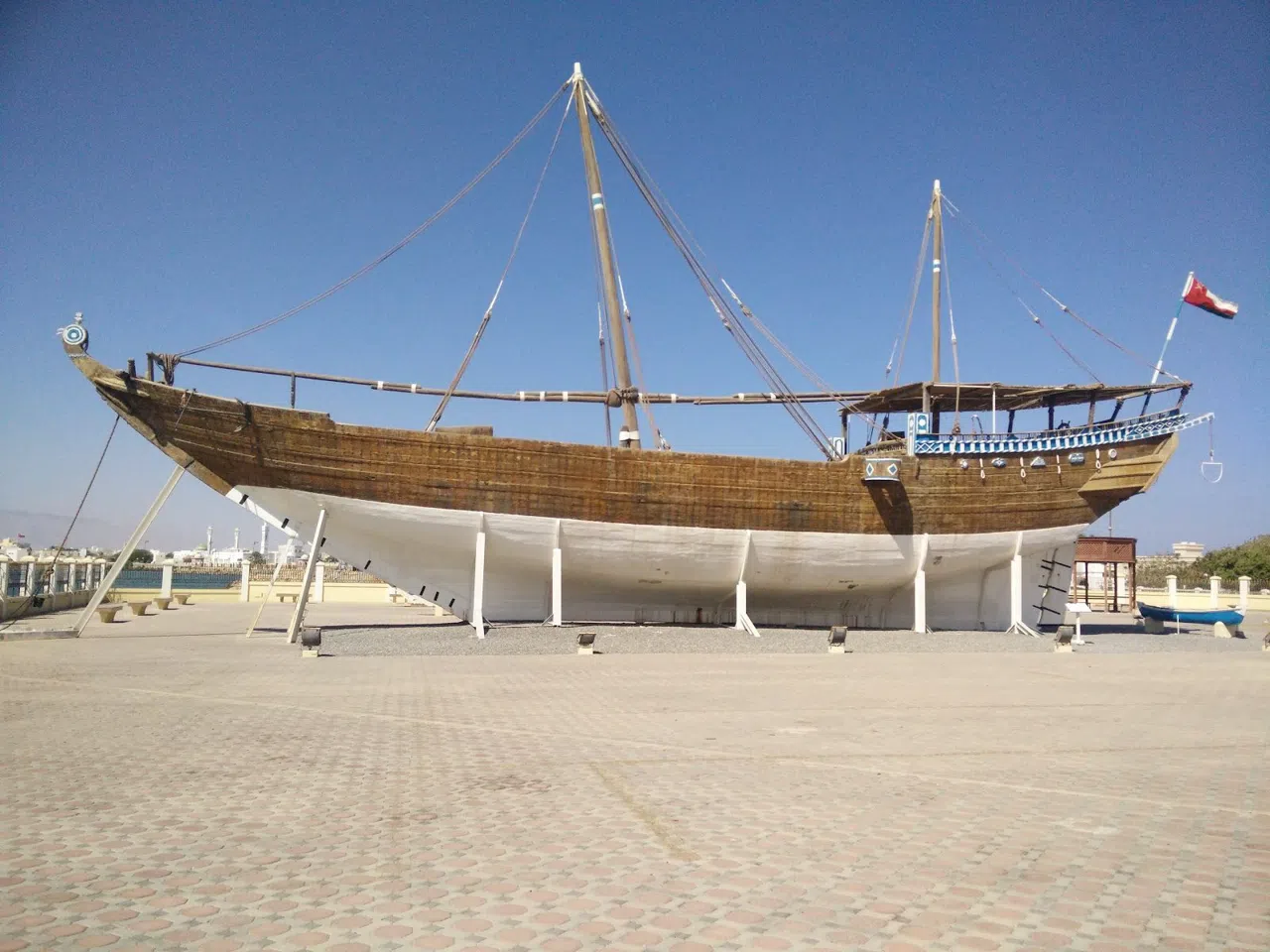
Next door, the Sur Maritime Museum (Fatah Al Khair Centre) is the easy, structured counterpart, a small entry fee, OMR 1-2, built around a preserved dhow you can walk the deck of. Visit it after the yard rather than before: seeing a finished vessel first strips the mystery out of watching bare ribs and raw timber next door, when it should work the other way around. It suits groups without any of the boat yard's etiquette concerns, and thirty to forty-five minutes covers it well.
Al Ayjah, the Old Quarter Across the Bridge
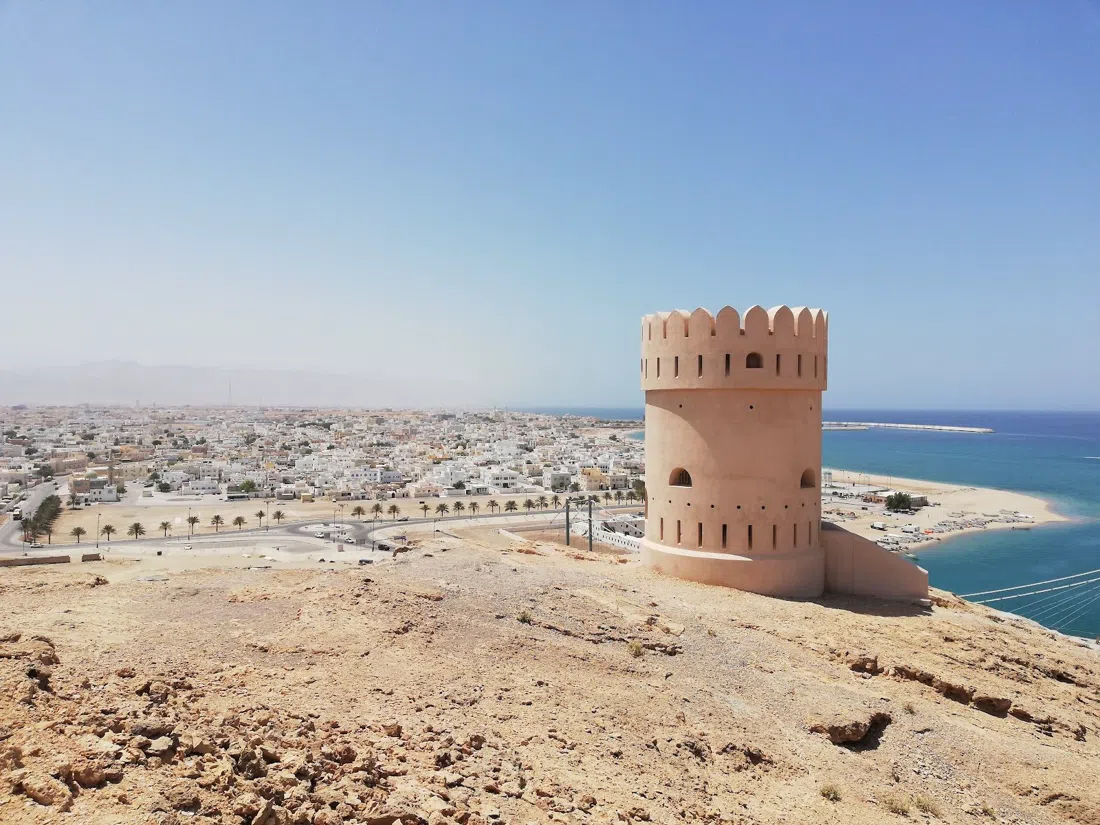
Cross Sur's suspension bridge (Oman's only one, and a landmark in its own right) to Al Ayjah, the old quarter that traditionally housed Sur's sea captains and navigators, the community that once relied on the tower here to find its way home. The Al Ayjah Watchtower & old quarter stop is free and self-guided, and it's the single best photograph the trip offers: dhows, lagoon and old town stacked into one frame from the top of a 16th-century tower that once guided those same boats into the harbour. The only real bottleneck is the stair inside (narrow, steep, one person's pace at a time), so budget patience with a group. Late afternoon, an hour or two before sunset, is the best light for the view.
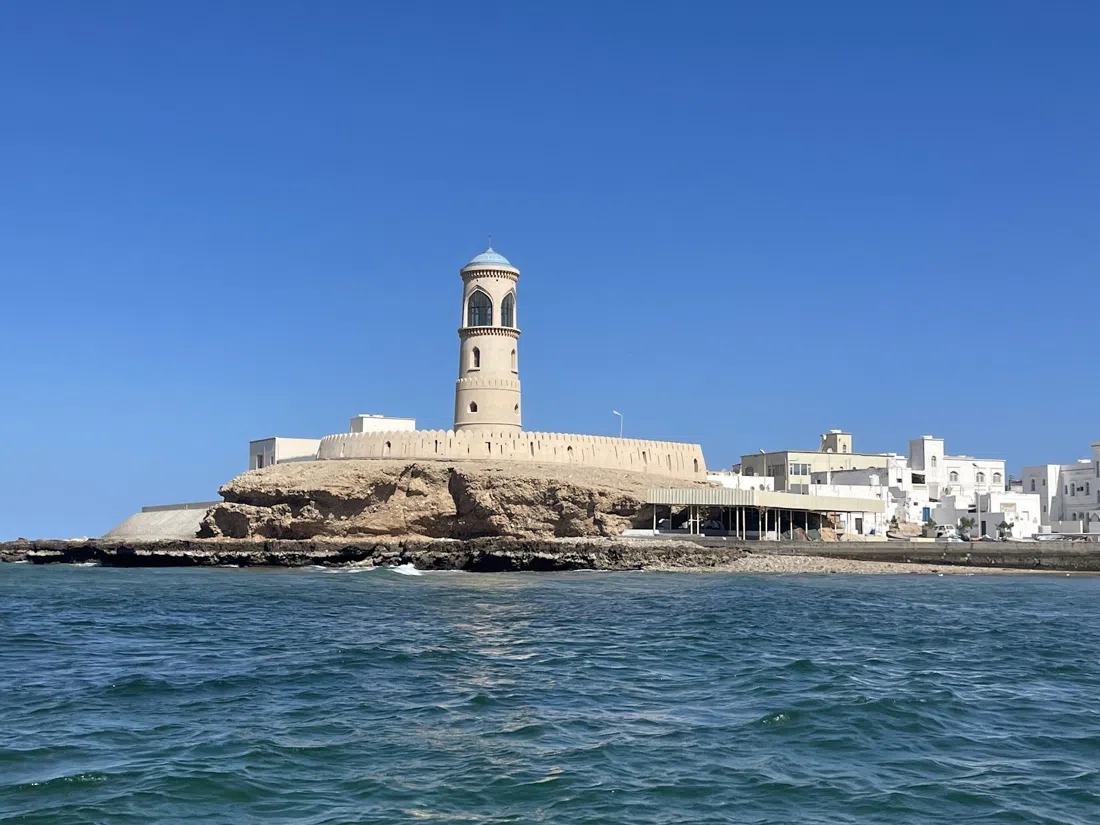
Five minutes' walk from the tower, the Al Ayjah Lighthouse is worth the short add-on even though you can't go inside (exterior viewing only). It completes the navigation story the watchtower starts: this is literally how Sur's sailors found their way in and out at night, and standing between the two makes that concrete rather than explained.
Sur's Forts
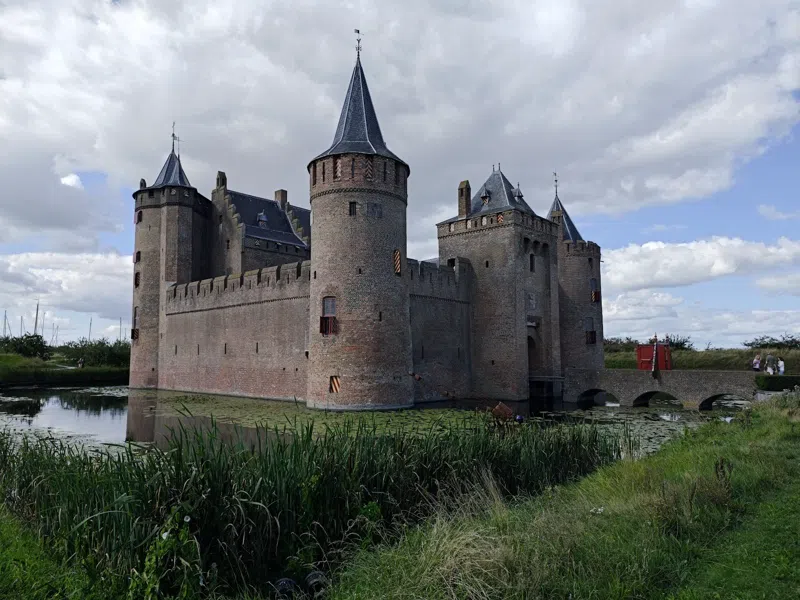
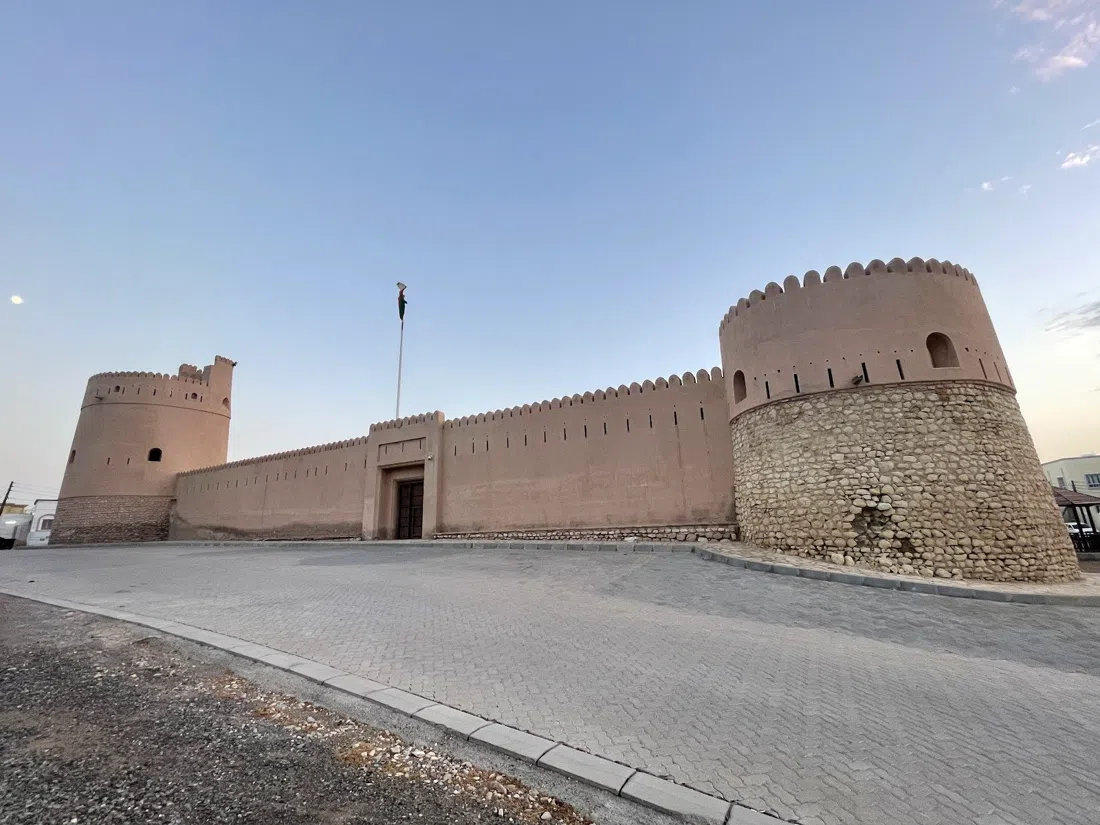
Sur has two forts. Sunaysilah Castle, on a rise overlooking the town, is the one to see if you only see one: it protected the trading wealth the dhow yards generated, and its grounds are an easy, flat walk that suits groups. Entry is OMR 1.
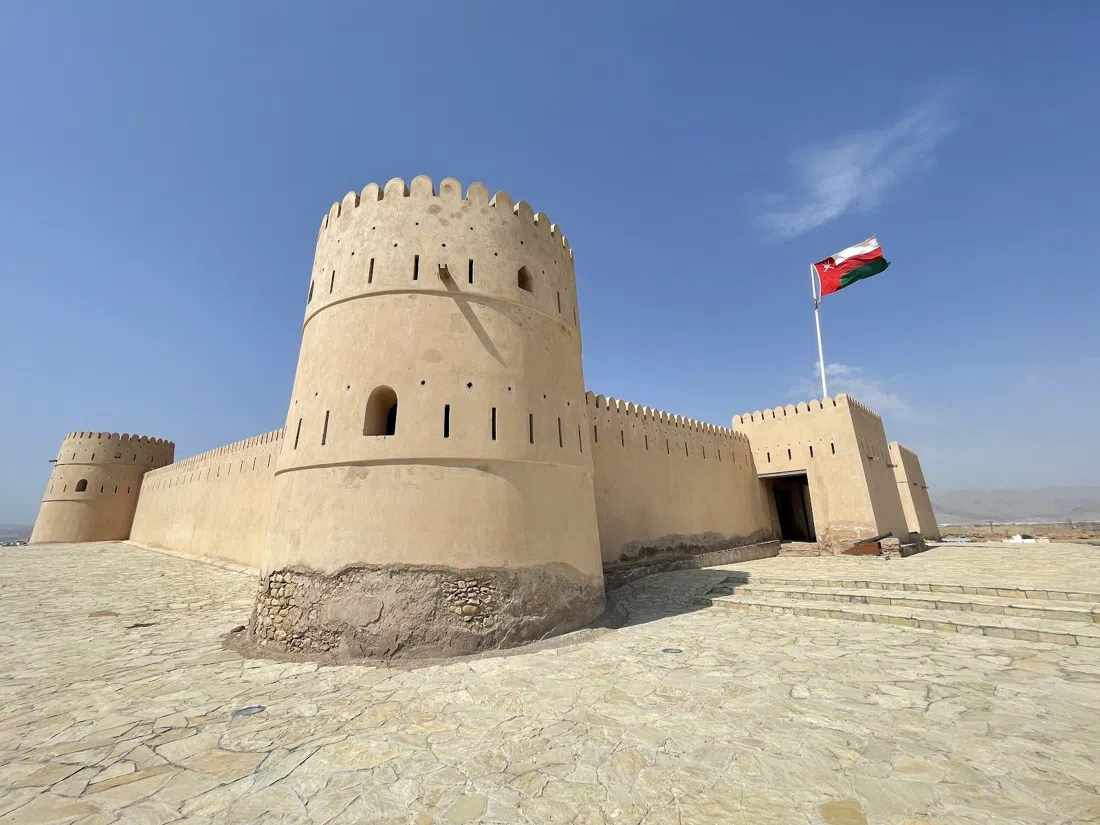
Bilad Sur Castle, a short drive out, is the quieter alternative, open daily 8am to 8pm, same OMR 1 entry, without Sunaysilah's foot traffic. If the day is already full between the shipyard, the old quarter and the coast road stops, it's fair to treat Bilad Sur as optional rather than essential; Sunaysilah alone carries the fort story fine.
The Fish Market and Lunch With a Lagoon View
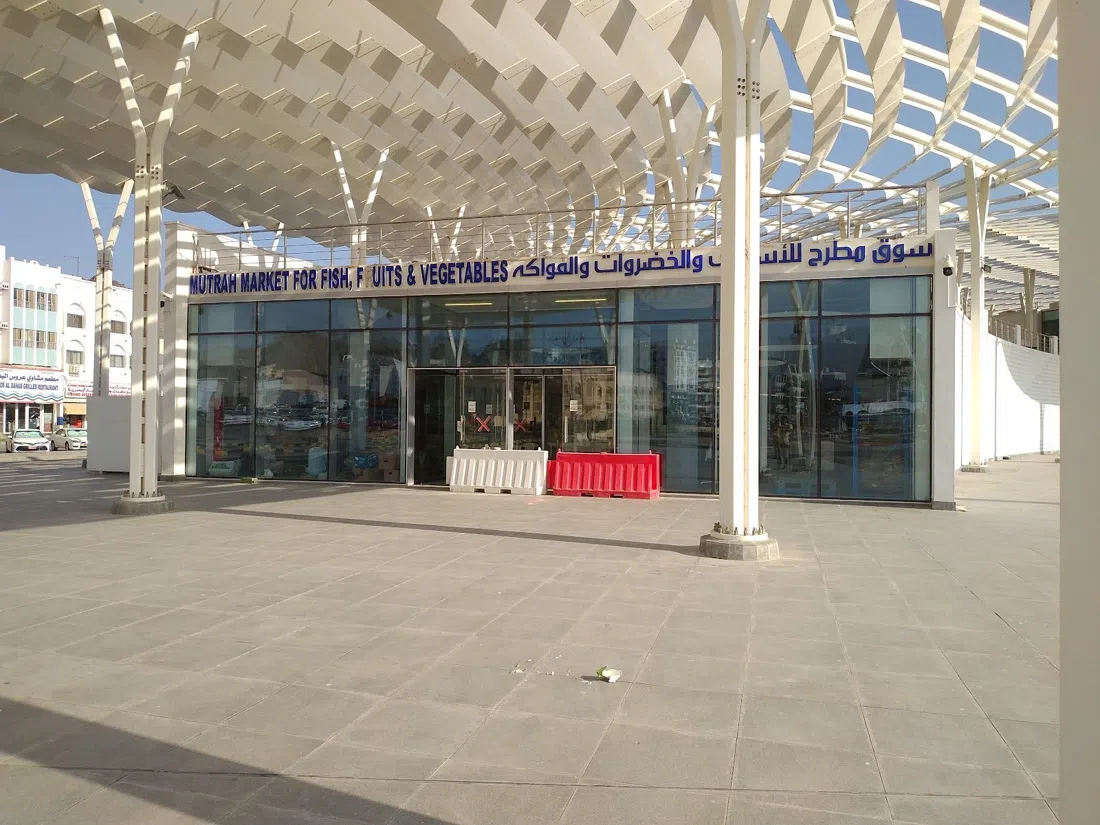
Get to the Sur Fish Market early: the 7am to 9am window is when it's actually working, before the auction winds down and the ice starts to melt. It's free to browse, and the building alone justifies the stop: a market built in the shape of the boats the town is famous for, its roofline curved like a hull. Keep any group small and stand back from the auction itself; this serves Sur's working fishing fleet, not a photo opportunity, and it's easy to get in the way without meaning to.
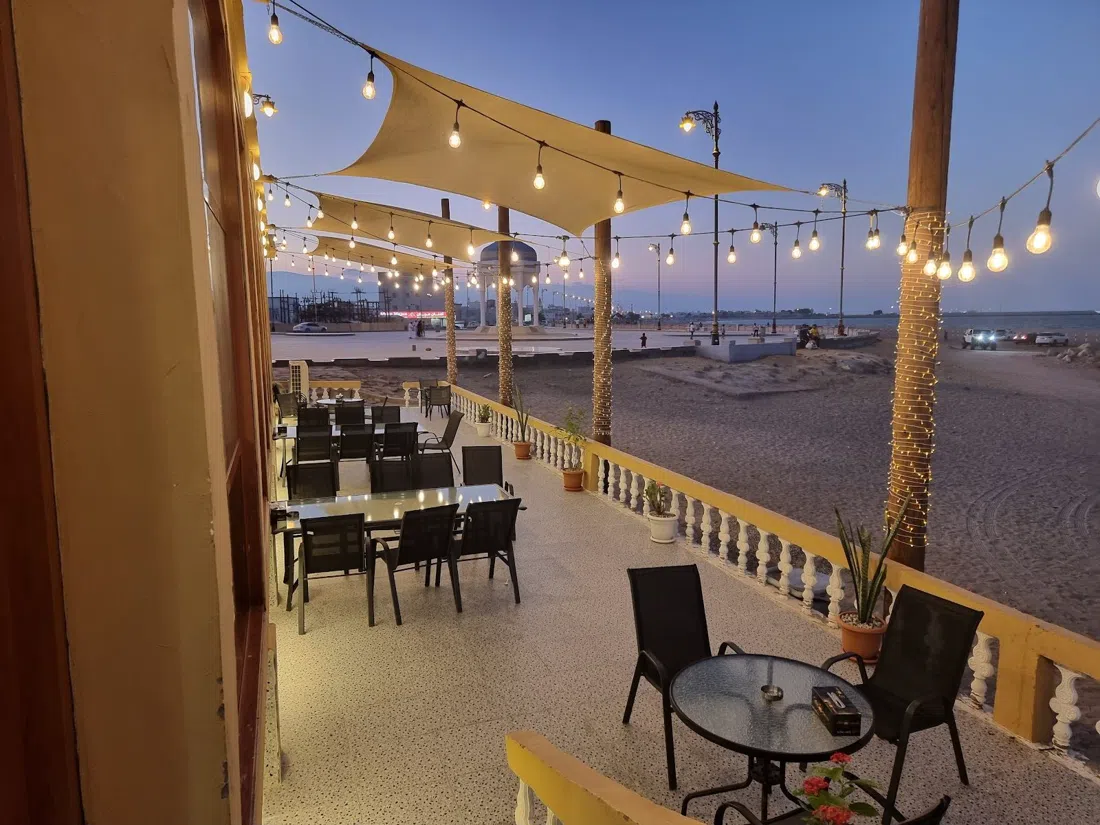
For lunch, Al Hawash Restaurant is the obvious stop, casual sit-down seafood, OMR 3-8 a head, with the same watchtower-and-lagoon view that anchors the rest of the day. It handles groups without fuss and shouldn't need booking ahead for anything short of a large party.
Turning the Day Trip Into Two Days at Ras Al Jinz
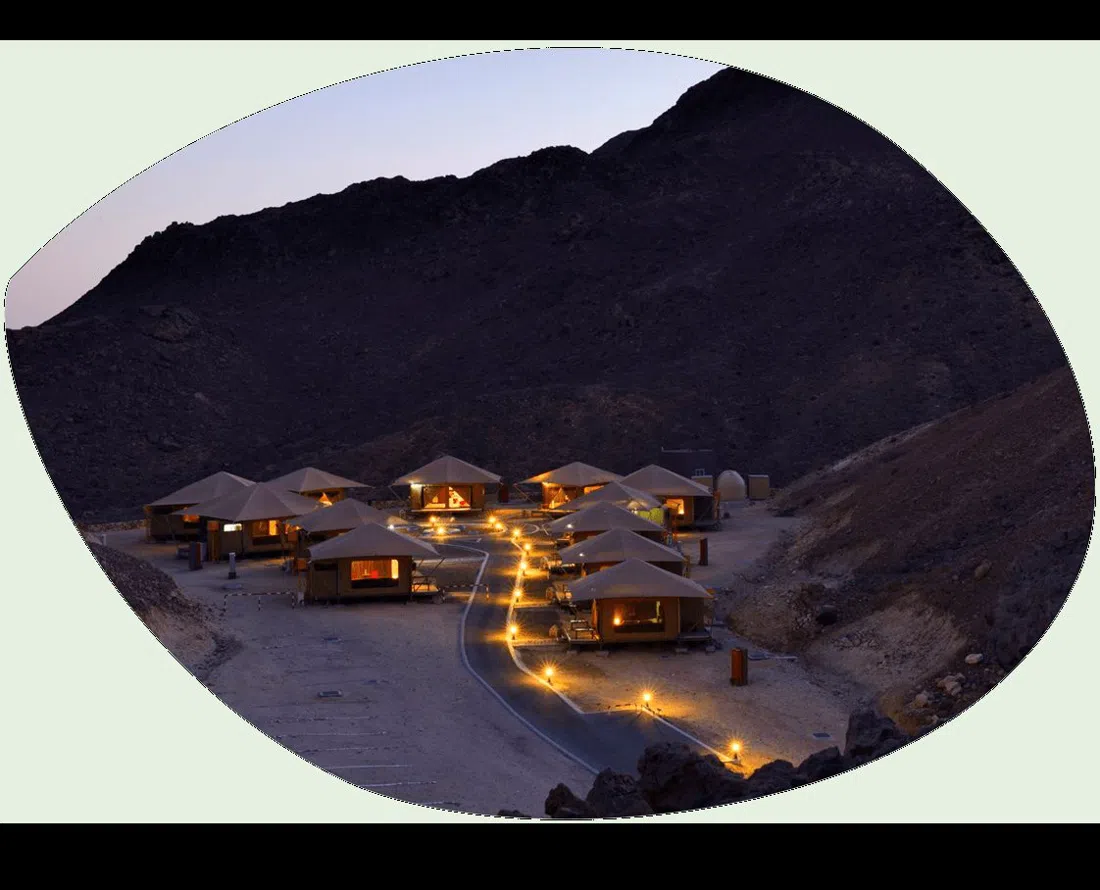
If the shipyard and the coast road leave you wanting more than a single day, Ras Al Jinz Turtle Reserve, about an hour past Sur, is the natural extension, green turtles nesting on the beach, seen on guided sessions capped at 25 people and booked ahead (OMR 7 adult, OMR 4 child). Sessions run at night and again before dawn, which is the real reason to treat this as an overnight rather than a rushed add-on: drive straight back to Muscat the same evening and you miss the reason to have come. Readers with the time are better off booking a night in Sur or at Ras Al Jinz itself and driving back to Muscat the following morning, rather than trying to close the loop in one day.
Getting There, Cash and Timing
Sur is roughly 170km from Muscat via Route 17, close to two hours by car with no stops, more realistically three and a half to four hours once the coast road detours are built in. There's no train, and the public bus service is too infrequent to work around this itinerary's small stops. A rental car or a private driver for the day is the practical choice; the road itself is good for almost the entire route.
Carry cash. Entry fees across this trip are all small, and several venues (the Wadi Shab boat crossing, the Al Qanjah donation box) don't take cards at all. OMR 10-15 in small notes covers entries and the crossing for one person comfortably; add lunch and a full day of stops runs OMR 20-25 per person, before fuel or a driver.
Start early. The fish market only works before 9am, the dhow yard is liveliest mid-morning, and the coast road stops (Bimmah Sinkhole especially) fill with tour groups from midday on. Leaving Muscat at 7am gets you to Sur by mid-morning with the detours done, leaves room for the old quarter, the forts and lunch, and has you back on Route 17 before the evening traffic into the capital. If you're basing yourself in Muscat before or after, a Muscat hotel search will turn up options close to the coast road for an early start.