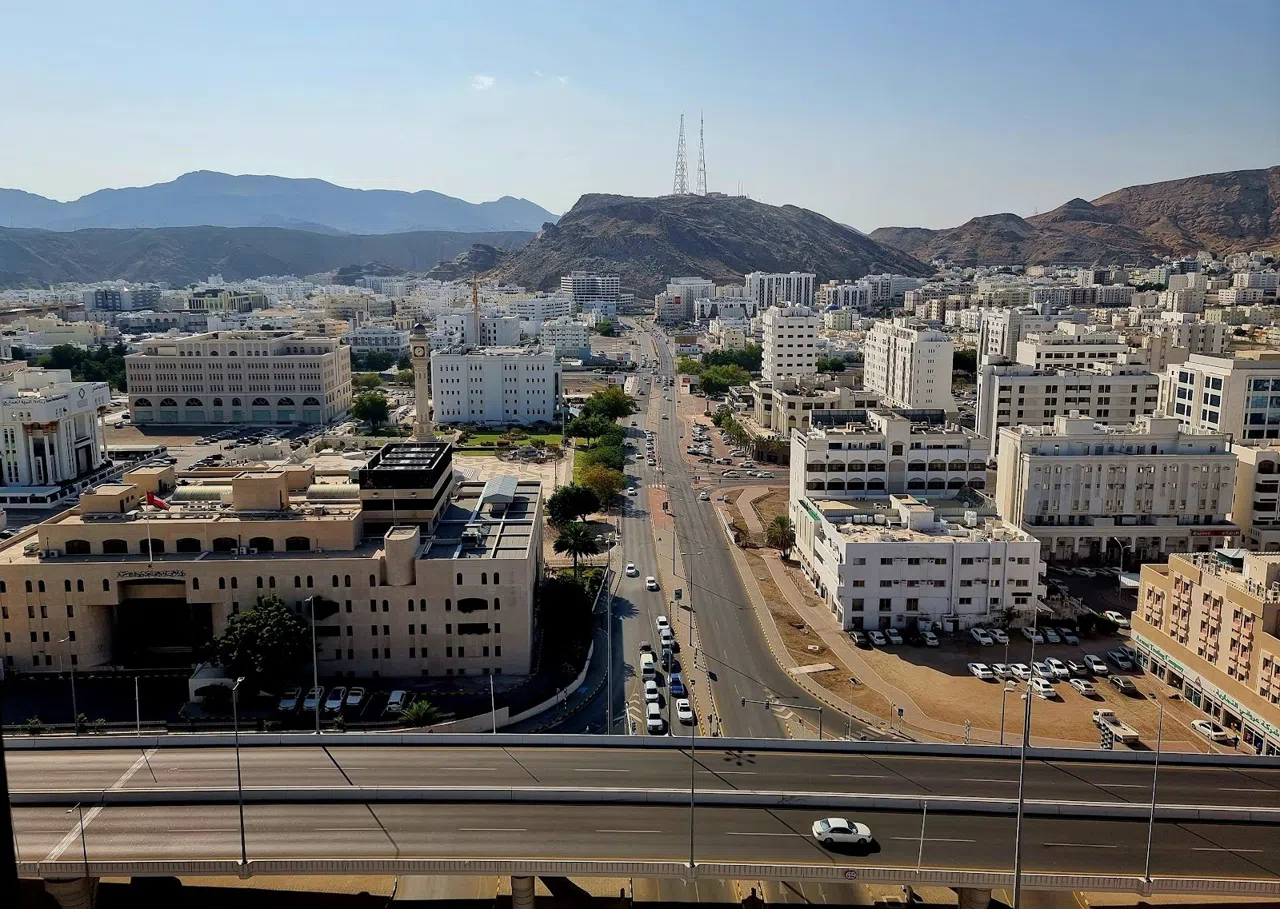
Nine o'clock on a weekday morning and Souq Ruwi Street is already thick with bank clerks in ironed shirts and gold buyers turning bangles over on glass counters — that's the real rhythm of this place, not the corniche photographs everyone else visiting Muscat gets to pose in front of. I've driven past this district for years ferrying guests toward somewhere prettier, and every time I think: somebody should stop here first. Ruwi is Muscat's engine room, a grid of 1970s concrete blocks and jewellery-shop windows a few kilometres inland from the tourist coast, built for banking and buses rather than sightseeing — and that's exactly why I like sending people through it.
What Ruwi is known for
Ruwi wasn't built to be looked at, it was built to work. What's now a business district full of travel agents and money-changers began as a small fishing settlement, then grew into Oman's commercial heart in the decades after Sultan Said bin Sultan's era. The real jump came in the 1970s, when the country's first paved road reached this valley from Muscat proper and the concrete arrived fast — the same low-rise blocks and shopfront awnings you still walk past today. There's no fort here, no white-domed skyline, none of the postcard Oman you'll find twenty minutes away in Old Muscat. What there is instead is a place that never stopped being useful: banks stacked three and four to a block, a bus station that still runs the country, and streets that fill by nine and empty by nine, like clockwork.
I'll be straight with you — if you've come to Oman for the wadis and the coastline, Ruwi isn't going to give you a single photograph for the wall. But if you want to understand how this country actually runs day to day, this compact valley of banks and gold shops does more of that work than any fort could.
Where to eat and drink in Ruwi
This is where I send anyone who tells me they're tired of hotel-restaurant menus. Ruwi's food is cheap and it's honest, a legacy of the district's long-settled South Asian community, and nowhere is that truer than Little India, the pocket of streets in the southeast where thali counters and biryani houses have been running more or less the same menu for twenty or thirty years.
Copper Chimney is the one I'd take you to first — a North Indian restaurant that's been open since 1985, which in a district that gets rebuilt every generation counts as an institution. Go for the butter chicken or the tandoori kebabs, or let them bring out a biryani and don't talk for ten minutes.
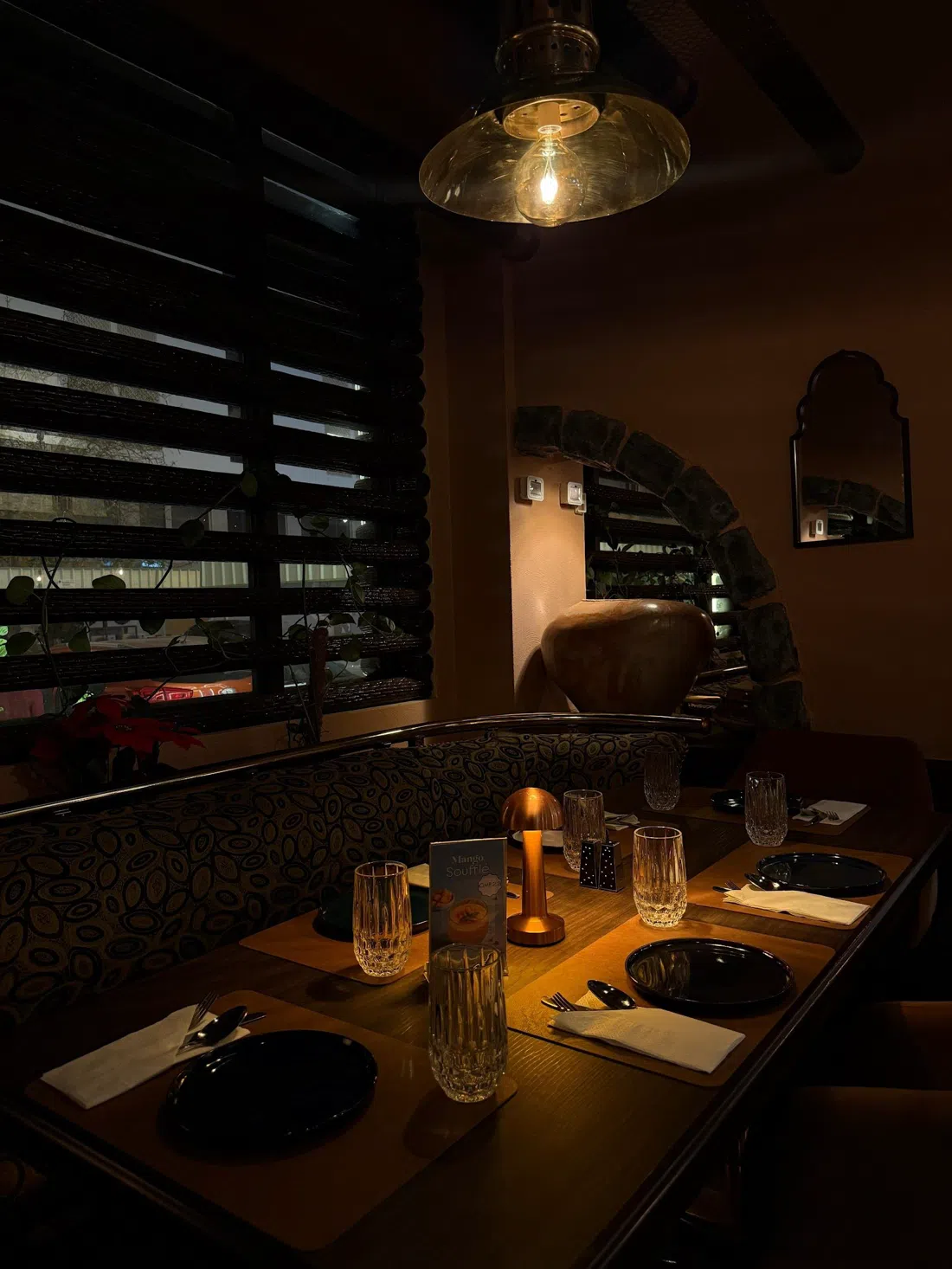
If you'd rather eat vegetarian, or just want to see how Ruwi drinks with its dinner, Sree Saravana's Vegetarian Restaurant — most regulars still call it by its old name, Woodlands — does proper South Indian dosas and dal, and, unusually for a vegetarian kitchen here, is licensed for alcohol.
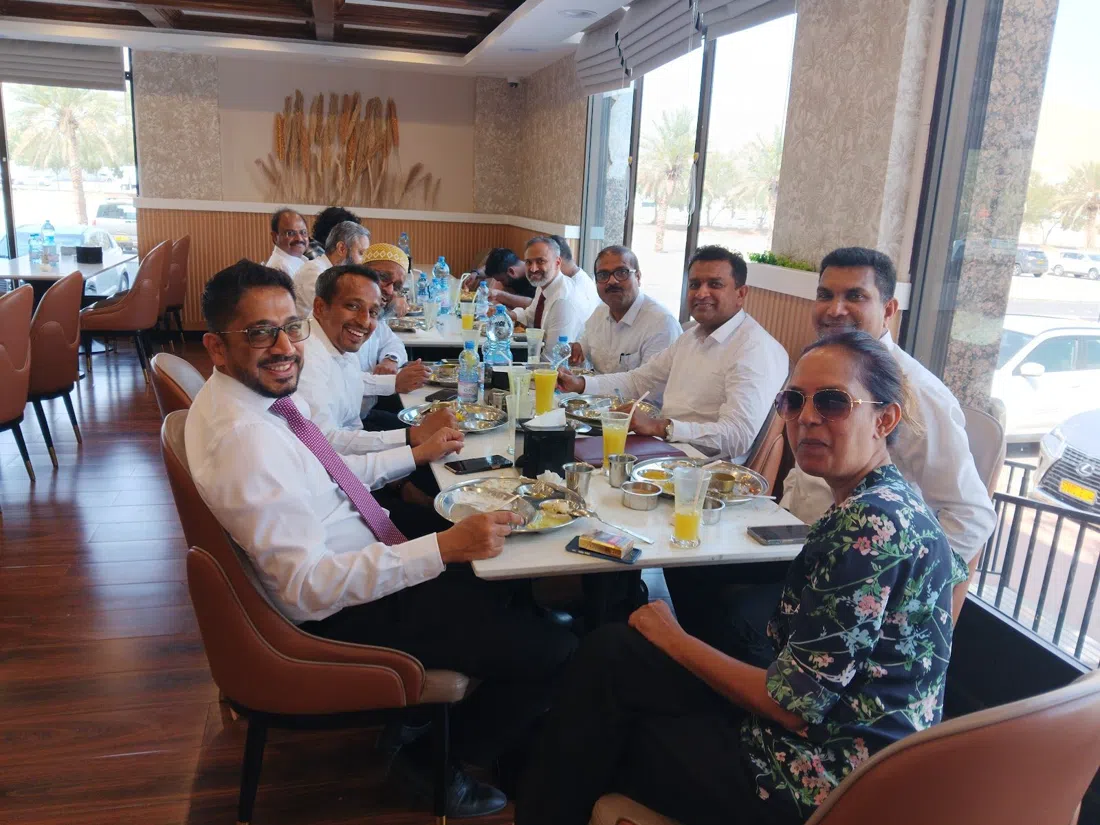
And then there's Golden Oryx, on Al Burj Street, which has been feeding Muscat Chinese-Thai-Mongolian food since 1983 — the oldest of its kind in the city — built around a Mongolian barbecue counter where you pick your own ingredients and watch them cook in front of you. I've eaten there more times than I can count, and the counter is the whole point: pick too much and you'll regret it, pick well and it's one of the best-value dinners in Muscat.
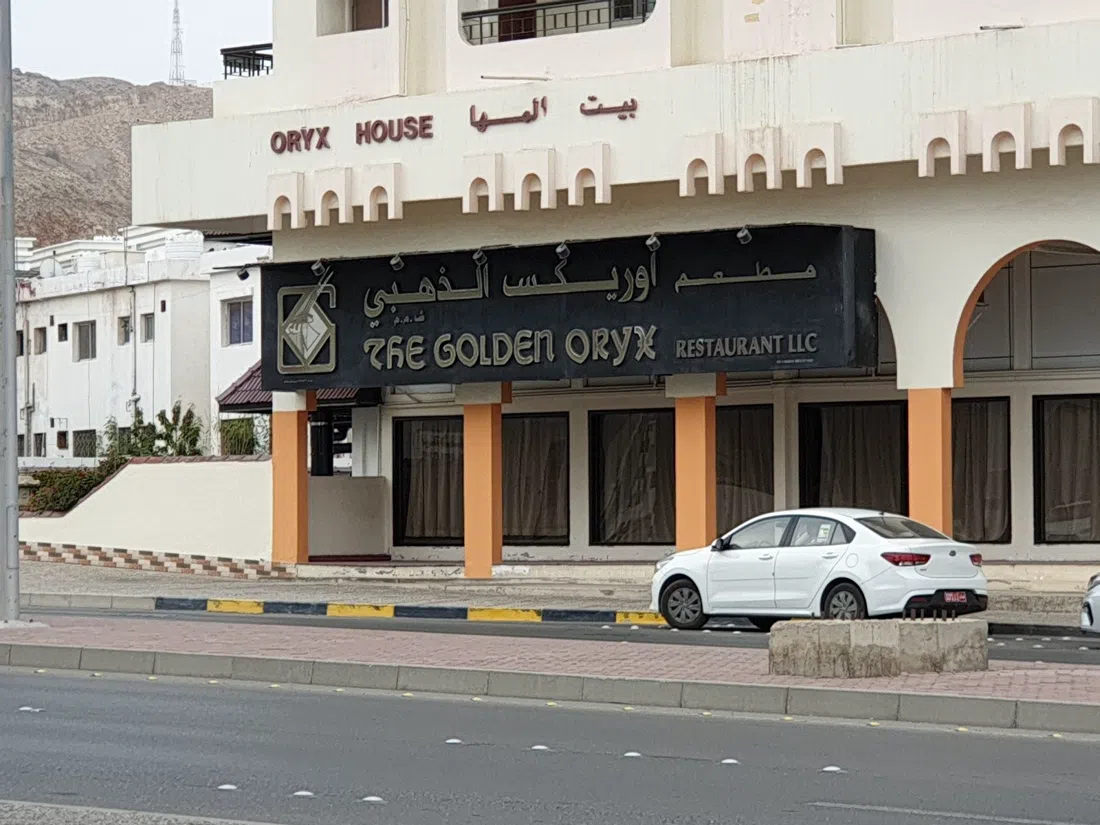
None of these places are trying to impress a food critic. They're trying to feed the same regulars they've been feeding for decades, which is exactly why they're worth your time.
Nightlife in Ruwi
Don't come to Ruwi expecting an evening out — the shops empty by nine and the streets go quiet, none of the lit-up corniche energy you'll find after dark in Mutrah. What nightlife exists here is small, and split between two very different rooms.
Turbine & Taps, the industrial-styled cocktail bar and lounge at the Sheraton Oman Hotel, is the polished option — a short walk from the main hotel building, craft cocktails, an extensive drinks list, the kind of renovated space that wouldn't look out of place in a bigger city. It's the room I'd pick if you want a proper drink and don't mind paying hotel prices for it.
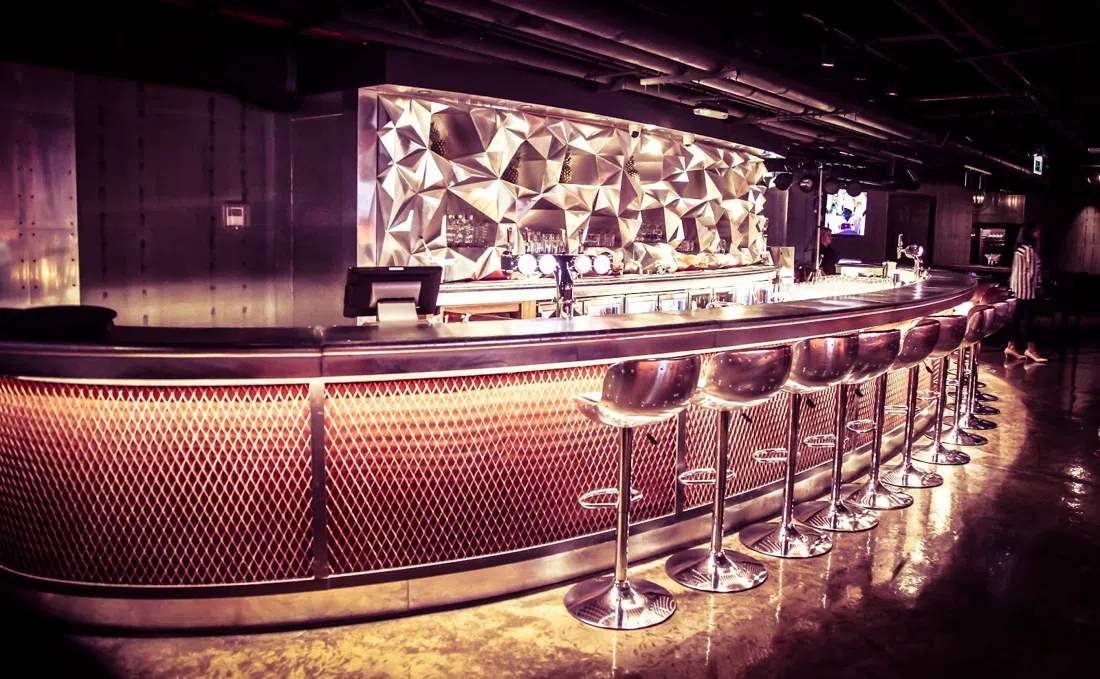
Nirvana is the other end of it entirely — a quiet dive bar tucked above a Pakistani restaurant in the business district, cold beer, old-world charm, the kind of place that doesn't advertise and doesn't need to. I like it precisely because it isn't trying to be anything other than what it is.
Two bars, two very different nights. That's the whole of Ruwi after dark, and I'd rather tell you that honestly than send you out looking for something the district doesn't have.
Things to do in Ruwi
Ruwi's sights won't headline anyone's Oman itinerary, and that's fine — they're specific rather than spectacular, built for a working district rather than a tourist one. The Sultan's Armed Forces Museum is the one I'd prioritise: Oman's only military museum, housed inside Bait Al Falaj Fort, a fort built in 1845 on Al Mujamma Street that once served as the actual headquarters of the country's armed forces before it became a museum. Walk its rooms slowly — this is Omani history told through the objects that shaped it, not through a plaque on a wall.
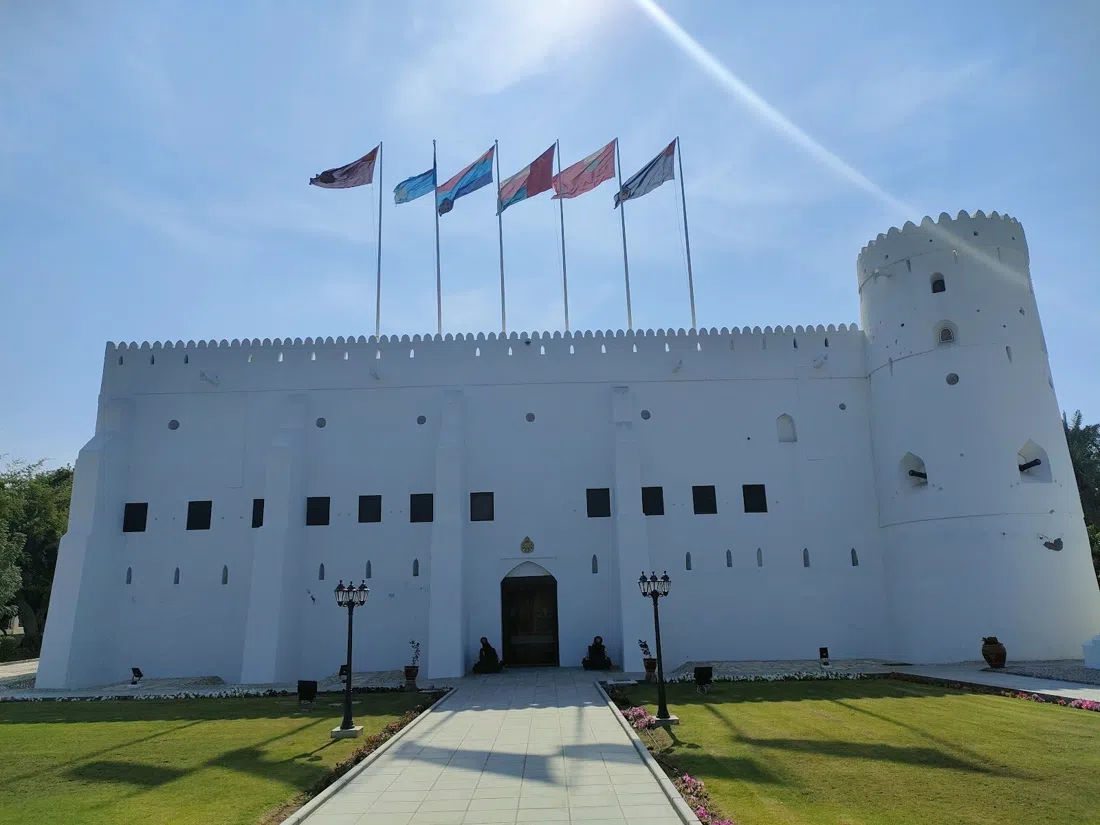
A few minutes from there sits the Shri Krishna Temple, built in 1987 by Muscat's Gujarati merchant community — part of a small multi-faith compound of temples and churches that most visitors to Oman never even know exists. I find it one of the quietly remarkable things about this country: a Hindu temple standing openly in the middle of an Islamic state, built by a trading community that's been here for generations. Stand in that compound a while and you'll understand more about how Oman actually works than any monument on the coast will tell you.
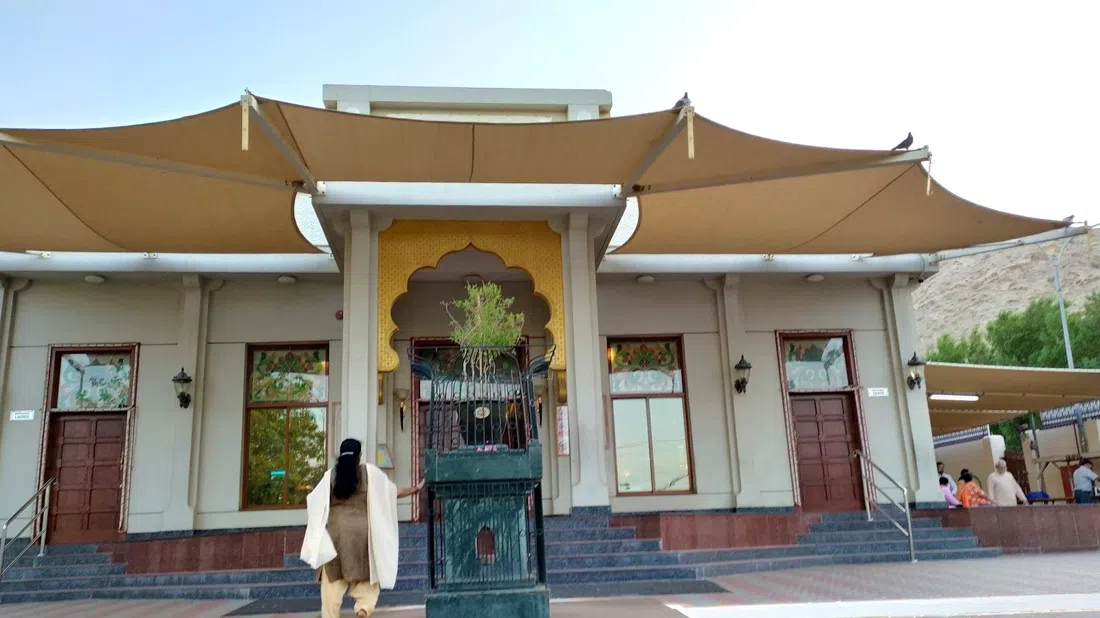
Between the two, you've got maybe two or three hours in Ruwi before you've properly seen it — which is honest, and I'd rather tell you that than pad the list with things that don't earn the visit.
Shopping in Ruwi
Souq Ruwi Street is Muscat's gold-trading centre, and once you've walked its length you'll understand why — more than fifty jewellers by recent counts, packed shoulder to shoulder, from small family-run shops and silversmiths' workshops working the back rooms to Muscat branches of South Asian chains like Kalyan Jewellers and Malabar Gold with their bright, mirrored fronts. It's not a souk in the Mutrah sense — no covered alleys, no incense drifting out of doorways — it's a working high street where gold gets bought and sold the way groceries get bought elsewhere.
I'd tell any visitor to walk it even if they're not buying: watch the scales come out, watch the haggling, watch clerks weigh a bangle against the day's rate chalked somewhere behind the counter. It's a better window into how Muscat actually trades than anything you'll find on the tourist coast.
Where to stay in Ruwi
Ruwi is Muscat's budget and business base, plain and simple — older, cheaper hotel stock than you'll find at the beach resorts of Al Mouj or Qurum, but central and about as well connected as Muscat gets. Haffa House Hotel, a long-running 3-star near the bus station, is the district's classic pick: rooms that show their age a little, kept clean, and a restaurant that's genuinely good rather than the usual hotel afterthought.
If what you need is a cheap bed close to the buses and banks rather than a view, this is your district. If you want boutique or five-star, or a hotel you can walk straight out of onto sand, you're better off looking toward the coast.
Getting around from Ruwi
Ruwi Bus Station is the reason most travellers pass through this district at all — it's the hub of Mwasalat, Muscat's city and national bus network, and the busiest transport interchange in the country. Route A1 runs direct between the bus station and Muscat International Airport roughly every 30 minutes, around the clock, for about OMR 1 — genuinely one of the best-value airport connections you'll find anywhere in the Gulf, and the reason I tell budget travellers to base themselves here rather than nearer the coast.
By taxi, it's about 20-25 minutes from the airport into Ruwi. Once you're settled, the rest of the city opens up from the same station: buses fan out to Mutrah, to Old Muscat, out along the coast — Ruwi does the connecting so you don't have to negotiate a taxi for every leg of the trip.
Walking Ruwi itself is easy enough by day — it's as safe as Muscat generally, one of the more walkable cities in the Middle East — but don't expect much once the shops close. The streets that were shoulder to shoulder at five are dead by nine, so plan your evenings elsewhere and come back to Ruwi for what it actually does well: getting you somewhere else, cheaply and on time.